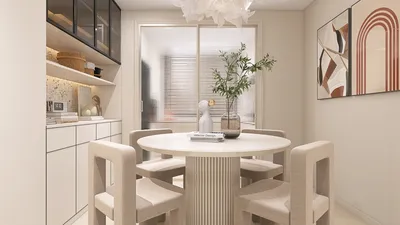


When it comes to creating a compact nail room, the focus is less on the total square footage and more on specific design elements: sightlines, reach ranges, task lighting, and sound management. In my studio projects, spaces ranging from 70 to 110 square feet can feel quite spacious when the layout for circulation, workstations, and storage is optimally organized. Research by Steelcase indicates that having clear spatial definitions enhances user satisfaction and performance. By reducing visual clutter and refining workflow, we can create an illusion of increased space while minimizing stress levels. Additionally, WELL v2 highlights the significance of light quality and glare control, which is especially crucial for visually intensive tasks such as nail designs.
The importance of task lighting is on par with that of technique. The Illuminating Engineering Society (IES) suggests a higher illuminance for detailed tasks; aiming for 750 to 1000 lux at the nail bed while managing glare with diffusers is essential for maintaining a comfortable working environment. For ambient lighting, opt for color temperatures between 2700 and 3000K, and between 3500 and 4000K for task lights, to facilitate accurate color representation. According to color psychology, calming shades like soft greens and muted blues can help lower the heart rate and induce a tranquil atmosphere, whereas warm neutrals with a high Light Reflectance Value (LRV) can enhance brightness without causing glare. As noted by Verywell Mind, incorporating cool tones can encourage relaxation when paired harmoniously with warmer shades.
Organize Your Room into Three Functional Zones
From my experience, a small nail room operates efficiently when divided into three distinct zones: client reception/storage, technician workspace, and sanitation. Ensure primary circulation pathways are at least 30–34 inches wide; a turning space of 48–60 inches is crucial if you anticipate using mobility aids. For optimal functionality, arrange the manicure table parallel to the longest wall to minimize wasted space, and position storage units within a reachable distance (15–24 inches) to reduce unnecessary movements during treatments. If you wish to explore different station layouts or spatial configurations, using a room layout tool like Homestyler can help visualize potential workflows and their impacts effectively.
Optimize Your Manicure Station's Dimensions
For confined spaces, a manicure desk measuring 42 to 48 inches in length and 16 to 20 inches in depth strikes the right balance between space and comfort for the technician. Select work surfaces that boast high resistance to scratching and chemicals—such as matte HPL, compact laminate, or coated metal—and ensure the edges are curved to alleviate pressure on clients’ wrists. To keep cords organized, incorporate cable management solutions and provide a concealed outlet grommet on the right-hand side (for right-handed technicians). Allow for at least 24 inches of knee space below the desk while positioning a slim pedestal or magnetic bins for tools on the opposite side to maintain an unobstructed view.
Prioritizing Ergonomics for Your Comfort
Investing in ergonomic solutions pays off significantly. Research from Herman Miller demonstrates that adjustable seating and maintaining neutral postures can enhance productivity and lower fatigue levels. Position the technician's chair at a 90 to 100-degree hip angle, ensuring feet are flat on the ground and forearms are properly supported while the client's hands are slightly elevated, about 2 to 3 inches above the desk surface. A client chair height of 17 to 19 inches with lumbar support keeps shoulders relaxed. Incorporate a gel wrist rest or contoured hand support to mitigate wrist strain, and ensure that high-use implements are kept within a convenient reach zone (10 to 16 inches). Use task lighting on an articulating arm to ensure illumination aligns with the work area without creating shadows.
Lighting Strategy: A Layered Approach for Comfort
Utilize three layers of light: ambient (soft, indirect), task (focused, with a high CRI), and accent (warm, low-glare). Aim for 300 to 400 lux for ambient light, maintaining 750 to 1000 lux at the nail surface with a CRI of 90 or higher to ensure color accuracy. Opt for matte surfaces near work areas to minimize reflections. When incorporating mirrors to enhance space perception, adjust task light angles to avoid glare. It's beneficial to install dimmable lighting systems to adapt the ambiance during consultations compared to detailed procedures.
Create a Breathable Color and Material Palette
In tight spaces, I recommend implementing a triadic color scheme: utilize a light, high-LRV wall color (off-white with a warm gray undertone), a serene accent (pale green, soft blue, or muted clay), and a grounding floor (medium-toned oak or terrazzo). Cool accents can temper warm light sources; warm neutrals effectively flatter skin tones. Install acoustic felt panels or cork on one wall to absorb harsh tool sounds and to display schedules. Opt for easy-to-clean, solvent-resistant finishes; where feasible, choose water-based coatings for improved indoor air quality.
Achieve Acoustic Comfort Without Overcrowding
Compact spaces can amplify noise levels. Incorporate a small ceiling cloud made from PET felt, a soft area rug under the client’s seating, and fabric-wrapped artwork to enhance the NRC (noise reduction coefficient) without consuming too much space. Focus on achieving a balanced acoustic environment that minimizes distracting sounds while maintaining a welcoming atmosphere. Position the e-file station away from reflective surfaces; often, a slight 45-degree rotation can greatly reduce echo effects.
Functional Storage Solutions
Wide, shallow drawers (3 to 4 inches high) significantly improve polish visibility over deeper options. Use clearly labeled dividers for gels and brushes and store sanitizers at eye level in a ventilated compartment to mitigate chemical odors. Create a narrow mounted rail above the desk for daily essentials while housing less frequently used tools within a rolling caddy that fits unobtrusively under the table. Transparent storage bins behind frosted doors can help maintain an organized and calm ambiance while keeping inventory visible.
Maintaining Effective Air Quality
Even in smaller rooms, air management is essential. Combine localized capture at the workstation with a quiet HEPA filter to minimize particulates and odors. For retrofits, a slim under-desk extractor paired with a surface hood can prove advantageous; ensure that the makeup air source has low turbulence to avoid disturbing settled dust. Arrange sanitation stations and curing areas away from the seating zone to limit client exposure. Following WELL v2 recommendations can support health by incorporating source control, filtration, and ventilation strategies.
Smart Technology and Power Solutions
Consolidate power sources along the back of the desk using tamper-resistant outlets, USB-C ports, and a cable management trough. Consider adding wireless charging stations for clients’ devices to maintain a tidy surface. Implementing a foot switch for task lights or dust extractors can enhance hygiene by keeping hands sterile. Where possible, select quiet, fanless desk lamps; if not feasible, dampen vibrations by mounting the lamp base on a silicone pad.
Elevate the Customer Experience with Small Touches
Just because you’re working with a limited space, doesn't mean it has to feel stark. Introduce small luxury elements such as a narrow picture ledge for seasonal color palettes, a delicate vase for a single flower, or a soft throw blanket draped over the client chair for a homey feel. Warm towels stored in a compact drawer, a discreet signature scent with low VOCs, and carefully curated music at a gentle tempo (60–70 BPM) can all contribute to enhancing client comfort. Aim for a subtle yet tactile branding approach—think debossed menus, matte metallic finishes, and textured paper.
Efficient Layouts for Limited Spaces
Arrange the desk, storage units, and sanitation stations along the longest wall. Pros: straightforward circulation and simpler power management. Cons: potential visual clutter if zones are not properly defined. Consider using a half-height divider or a change in materials to subtly separate the workstation from sanitation areas.
Position the desk on the long wall with storage along the short wall to create an L-shape. Pros: more efficient tool reach and hidden storage options. Cons: monitor light levels at corners; consider adding a small wall sconce for additional illumination.
If there’s a window nook, consider floating a 16 to 18-inch deep desk between side cabinets. Pros: natural light can enhance mood; ensure that task lighting compensates for any color shifts. Cons: glare management is necessary; consider sheer roller shades.
Use an interior layout planner to sketch and validate these layouts for clearances and power placement: the Homestyler tool is perfect for this task.
Creating a Flowing Visual Design
Maintain a calm vertical rhythm by aligning the top edges of shelves, art pieces, and mirrors. Limit open shelving to a singular focal point, keeping the rest enclosed. Adhere to a 60/30/10 color distribution: 60% light neutral, 30% soft accents, and 10% darker or metallic touches. Ensure material consistency by repeating specific elements at least twice (for example, oak edges and oak frames) to foster visual cohesion.
Sustainable Choices That Perform
Opt for low-VOC paints, FSC-certified wood products, and Greenguard Gold-certified furniture whenever practical. Look for LED light fixtures with replaceable parts and a CRI of 90 or higher. Selecting resilient surfaces can prolong refresh cycles; for instance, a robust matte laminate often outperforms glossy finishes in more vulnerable areas. Consider using materials libraries like Material ConneXion to assess sustainability options.
Essential Specification Checklist
- Desk: 42–48 inches long x 16–20 inches deep; curved edges, integrated cable grommets, matte finish
- Technician Chair: adjustable seat, lumbar support, caster wheels for hard flooring
- Client Chair: 17–19 inches seat height, soft armrests, easily wipeable fabric
- Lighting: ambient light of 300–400 lux; task lighting of 750–1000 lux; 90+ CRI; ambient color temperature 2700–3000K, task lighting at 3500–4000K
- Storage: shallow drawers with labeled inserts; ventilated area for sanitation supplies
- Acoustic Design: includes small PET felt ceiling clouds, fabric artwork, soft area rugs
- Air Quality: localized capture systems combined with HEPA filtration
References for Further Guidance
For design insights based on evidence and lighting best practices, consult IES task lighting guidelines and WELL v2 features concerning lighting and air quality, which provide a sound foundation. Studies from Steelcase and Herman Miller usher in knowledge on ergonomics and spatial comfort specifically for compact professional environments.
Frequently Asked Questions
Q1. How much area is needed for a single manicure workstation?
A1. A comfortable single station should ideally occupy between 70 to 110 square feet with adequate storage and sanitation options. Maintain a clear circulation space of at least 30–34 inches and provide a turning diameter of 48–60 inches if accessibility is a concern.
Q2. What illuminance and color temperature should be targeted?
A2. Aim for 300 to 400 lux for ambient lighting and 750 to 1000 lux at the nail area, ensuring a CRI of 90 or higher. Use 2700 to 3000K for warmer ambient light and 3500 to 4000K for task-specific lighting.
Q3. What are the optimal desk dimensions for tight spaces?
A3. A desk size of 42 to 48 inches in length and 16 to 20 inches in depth achieves an effective balance of reach and footprint. Ensure at least 24 inches of knee clearance and incorporate cable management to maintain cleanliness.
Q4. How can I manage chemical fumes and dust in a confined area?
A4. Use a combination of localized capture at the workstations and HEPA filtration to eliminate particulates and odors. If retrofitting, integrate capture systems with low-turbulence airflow, and ensure sanitation areas are positioned away from the client seating to minimize exposure. Cover solvent containers when not in use.
Q5. What colors can enhance the feeling of spaciousness in a small nail room?
A5. Select high-LRV light neutral colors for walls, complemented by soft accent colors (like pale green or blue), along with medium-tone flooring. Maintain a 60/30/10 color ratio and choose high-CRI lighting to reflect true tones.
Q6. How can I improve ergonomics for extended working hours?
A6. Utilize an adjustable technician’s chair, support forearms adequately, elevate the client's hands slightly above desk level, and keep your tools within a convenient 10 to 16 inches reach. Articulating task lights can help reduce awkward postures.
Q7. What acoustic adjustments can help without occupying additional space?
A7. Introduce a small PET felt ceiling cloud, use a soft rug under the workstation, and incorporate fabric-wrapped artwork. Position the e-file station away from hard corners, as a slight 45-degree rotation can minimize echo.
Q8. How do I effectively manage power and cords in an organized manner?
A8. Design a rear power spine with tamper-resistant outlets and USB-C ports, route cables through a grommet, and utilize a cable trough for aesthetics. Foot switches can aid in controlling lights or dust collectors while promoting cleanliness.
Q9. Is having a window near the workstation beneficial?
A9. Natural light elevates mood; manage glare with sheer coverings to maintain comfort while ensuring task lighting with a high CRI compensates for any color variations. Position the desk to ensure that daylight enters laterally rather than directly behind the workspace.
Q10. What flooring materials are best suited for a manicure station?
A10. Choose mid-tone, matte surface finishes such as LVT, cork-rubber blends, or sealed hardwood to minimize glare and manage dust visibility. Ensure the materials are resistant to chemicals and easily cleanable.
Q11. How can I display color samples without overcrowding the space visually?
A11. Create a well-lit display area with a singular picture ledge for seasonal palettes and keep the remaining samples stored behind closed doors. Consider using a low-glare LED strip for backlighting to improve visibility.
Q12. Is it feasible to incorporate retail in a small nail space?
A12. Absolutely—install a 10 to 12-inch deep shelf near the exit featuring vertical dividers with clear labels. Keep your inventory streamlined and rotate stock regularly to maintain an appealing and fresh look.


Homestyler is an amazing online platform for anyone looking to design their home. With a user-friendly design tool, stunning 3D renderings, and a wealth of DIY video tutorials, you can effortlessly create your dream space. Bring your ideas to life with Homestyler today!
Zaprojektuj teraz za darmo
































