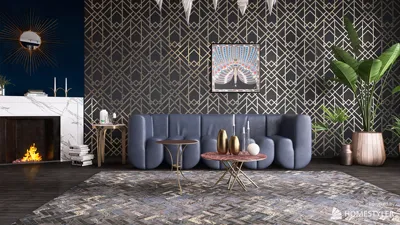


As a professional space designer specializing in compact areas, I often tackle the unique challenges presented by student hostel rooms. These spaces require creative solutions to manage limited square footage while fostering privacy, productivity, and personal expression—all without straining the budget. It’s a balancing act that I enjoy immensely, particularly when designing with tools like Homestyler to visualize the layout.
My design approach is supported by two key principles: established human factors and quantifiable environmental quality. According to WELL v2, aspects such as lighting, acoustics, and ergonomics significantly affect health and performance. The Illuminating Engineering Society suggests a task lighting range of 300–500 lux for desk areas, which is crucial for effective studying. Research from Gensler indicates that inadequate acoustic management is a leading distraction, mentioned by 25–30% of participants as a major productivity hurdle. Such data is essential in compact environments like 10–14 m², where even slight variations in lighting and sound levels matter. For further details, check out WELL v2 performance concepts and the IES lighting guidelines.
Establishing Clear Objectives for the Space
I begin by defining the primary functions of the room: quality sleep, concentrated study, convenient storage, and a versatile social area that easily transitions from relaxation to welcoming friends. This clarity of purpose ensures that a desk doesn’t double as a closet and that a bed doesn’t end up serving as a couch. Intention is essential in compact living spaces, much like using Homestyler to outline these objectives visually.
Prioritize Layout Planning Over Decoration
The layout dictates how inhabitants interact with the space. I typically place the largest furniture piece, like the bed, against a solid wall to facilitate movement, while configuring a study area that minimizes distractions. Positioning the social seating in relation to the desk keeps work and leisure zones distinct. For those uncertain about configurations—such as whether to place the bed by the window or centrally—a swift layout planning tool, such as Homestyler, can help visualize different arrangements.
Adaptive Lighting Solutions for Learning and Rest
For effective studying and restful sleep, students require a variety of lighting options: general ambient lighting, focused task lighting, and a gentle night mode. I aim for 300–500 lux on the desk with a high-CRI lamp (CRI ≥90) set to a neutral white color around 3500–4000K for reading. For unwinding, 2700K warm light is ideal to promote relaxation. Positioning lights out of direct sight reduces glare; placing the desk lamp opposite the writing hand helps eliminate shadows. Adding a small, dimmable LED strip beneath shelves ensures a well-lit atmosphere without clutter.
Prioritizing Ergonomics: Desk, Chair, and Monitor Setup
Ensuring comfort is vital during exam periods. The chair should support the lumbar area and be height-adjustable, allowing knees to rest at around 90° with the feet on the ground. A desk height of approximately 28–30 inches (71–76 cm) accommodates most users, but elevating the monitor to eye level can alleviate neck strain. It’s crucial that the keyboard is positioned so that forearms remain parallel to the ground, with wrists in a neutral position—these adjustments help reduce fatigue during late-night study sessions.
Addressing Acoustic Comfort in Communal Living
Hostels can be quite noisy. To minimize sound reflection, I incorporate soft textures: a low-pile rug for easy cleaning, upholstered seating, and fabric curtains. Open shelves filled with books serve as sound absorbers. Adding a door sweep and acoustic seal on the door helps diminish noise from hallways. For those sharing space, a small white-noise device or app can mask inconsistent chatter without creating isolation.
Utilizing Color Psychology for Enhanced Focus and Mood
I utilize vibrant colors for minor accents, while opting for calming shades on larger surfaces. Hues of green and muted blue foster concentration and relaxation, while warm neutrals provide comfort without overstimulation. Incorporating one bold piece, like a cushion or lamp, maintains individuality within a harmonious overall palette that encourages effective study habits.
Flexible Storage Solutions
Vertical storage options are invaluable for students. I suggest incorporating wall shelves above the desk, under-bed storage bins, and tall units with adjustable shelving. Utilizing hooks behind the door for frequently used items like bags or coats keeps surfaces uncluttered. I also recommend drawer dividers for organizing stationery and a mobile caddy for easy access during study sessions.
Optimizing Sleep and Bed Hygiene
Adequate sleep is directly linked to academic performance. I block out harsh morning sunlight using blackout curtains along with a light-filtering sheer for daytime privacy. Positioning the bed away from the desk aids in separating different mental zones. Choosing a slim headboard with an integrated shelf keeps night essentials handy while minimizing bedside clutter. Employing warm 2700K lighting beside the bed aids in melatonin production; the fixture should be set at or just above shoulder height to minimize glare.
Creating a Micro Social Area Without Clutter
Instead of traditional bean bags, I recommend a compact lounge chair or small bench with hidden storage that helps maintain order. A nesting side table can be tucked away when not in use. Situating this social area in a naturally lit corner allows for an uplifting atmosphere and strategically orienting seats away from the study monitor to encourage relaxed interactions.
Choosing Suitable Materials and Maintenance Practices
Dormitory environments require durable and easy-to-clean materials. I prefer washable paint (eggshell), performance fabric that resists stains, and low-shedding rugs. If possible, I opt for FSC-certified plywood for shelving to ensure a balance between sustainability and cost-efficiency. In areas prone to moisture, a small silicone tray for toiletries can protect surfaces from damage.
Maintaining Visual Harmony and Space Perception
To create a sense of spaciousness, I adhere to a visual ratio of 1:1.6 between the length of the bed and the adjacent wall art or shelf. Aligning vertical elements, such as curtain falls, shelf brackets, and lamp stems, helps maintain order and reduce clutter's visual impact.
Integrating Technology Without Cluttered Cables
I recommend installing a multi-outlet surge protector beneath the desk and routing one cable down the leg for a cleaner appearance. Using adhesive cable clips to manage mouse and charger cables keeps everything organized. A small docking station can keep phones and earbuds neatly contained, minimizing desktop clutter.
Swift Layout Options Based on Room Type
Positioning the bed against the longest wall, desk under or next to the window, and wardrobe close to the entry maintains an open layout that maximizes natural light. The social seating should also be in light-rich areas, alternating function with comfort.
Mirroring Beds for Balanced Zones
To create equitable spaces, replicate bed placements with desk setups on opposing walls to minimize distractions. A central rug can define shared social areas, while a communal shelving unit with labeled bins promotes fairness. Utilizing an interior layout planner, such as Homestyler, can help visualize different options and prevent conflicts.
Smart Budget-Friendly Enhancements
Consider upgrading chair cushions for better lumbar support, introducing a clamp lamp for focused lighting, and placing a tall mirror to enhance light and spatial perception. Using removable hooks and decorative washi tape frames for personal artwork allows students to refresh their aesthetics throughout the semester.
Achieving Style Without Overwhelm
I recommend limiting display items to three categories: books, a single plant, and a personal artifact. Rotating these items monthly keeps the space feeling fresh and organized. Opt for breathable bedding and textured throws that add depth visually without overwhelming color.
Weekly Organizational Routine
Setting aside ten minutes every Sunday for maintenance—clearing the desk, sorting papers, washing mugs, vacuuming, and rewinding cables—simplifies upkeep and significantly reduces chaos at the term's end.
Frequently Asked Questions
To achieve optimal working conditions, aim for 300–500 lux with high-CRI LED lighting set around 3500–4000K in accordance with IES recommendations for task areas.
Adjust the chair height to ensure knees are approximately at 90°, with feet flat and lumbar support provided. The monitor's top should align with eye level, while elbows should be close to 90° to minimize strain.
Incorporate soft elements such as rugs, curtains, and upholstered seating, and ensure the door's bottom is sealed. Organizing books on shelves can also help absorb sound. A white noise device may alleviate intermittent background chatter.
Select muted blues and greens to foster concentration and recovery. Keep larger surfaces neutral while utilizing small, vivid accents for personal expression.
Position the bed along the longest solid wall to improve airflow; place the desk near a window or under sufficient lighting, avoiding visual clutter. It’s vital to separate work and sleep zones visually.
Utilize vertical storage solutions like wall shelves, bins under the bed, and tall units. Employ hooks on the door for easy access to regularly used items and dividers to organize smaller supplies.
Choose warm 2700K lighting for pre-sleep environments as it's calming and promotes sleep hygiene. Dimmable options can help adjust brightness before bedtime.
Install a surge protector beneath the desk, streamline cables along a single channel, and utilize adhesive clips to manage chargers. A docking station will help keep devices organized and accessible.
Employ a room design visualization tool to assess different positions for beds and desks, checking circulation paths and sightlines before making final decisions.
Dedicate ten minutes to cleaning each week: clear and organize the desk, dispose of unnecessary papers, wipe surfaces, vacuum, and re-organize cables. Regular tiny resets maintain functionality of the space.
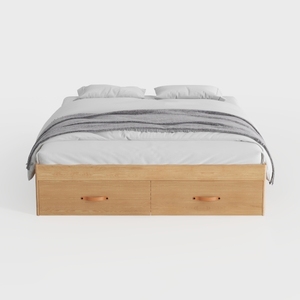
Merax Platform Bed, Full Size Wooden Bed Frame wit
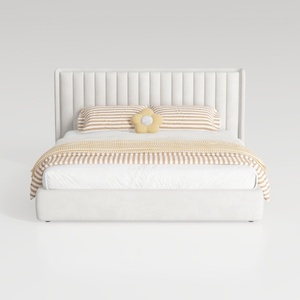
VELOCAVA King Size Lift-Up Storage Bed, Linen Ligh

Meridian Furniture AsherCognac-T Asher Collection
Homestyler is your go-to online home design platform! With its user-friendly design tool, stunning 3D rendering capabilities, and a wealth of DIY video tutorials, you can effortlessly bring your creative ideas to life and transform your space with ease.
Design Now for FREE
































