


I have a passion for multi-functional furniture that enhances the spacious feel of small homes, and a room divider bookshelf is one of the most effective solutions. Not only does it provide storage, but it also delineates spaces, directs foot traffic, and can reduce noise without fully enclosing a room. According to Gensler’s U.S. Workplace Survey, teams achieve better performance in work environments that offer a mix of open and enclosed areas, reflecting our home dynamics where spaces are most effective when they accommodate both focus and social interactions. The importance of lighting cannot be understated; the Illuminating Engineering Society (IES) recommends a brightness of 300–500 lux for reading tasks, which serves as a vital guideline when positioning and illuminating a bookcase divider.
When it comes to human comfort, it's the foundation we build upon. The WELL v2 standards emphasize elements such as visual comfort, glare control, and access to natural light as essential components of wellbeing. When a bookshelf divider is placed perpendicular to a window, it can help diffuse light and minimize reflections on glossy book pages. Colors also play a significant role in shaping mood; research by Verywell Mind indicates that shades of blue and green foster calmness and concentration, while warm neutrals create a cozy atmosphere—perfect for a divider that blends living and workspace. For insights on ergonomics and lighting standards, I often refer to IES guidelines and WELL recommendations.
Determine Functionality First
I usually begin by outlining the tasks the divider needs to fulfill: how many books it must hold, whether it should feature display ledges, and how to conceal clutter while enhancing flow. If the aim is to separate a living area from a home office, I recommend achieving around 60–70% visual permeability—incorporating open shelving alongside periodically backed cubbies—so the area feels interconnected yet distinct. To visualize layout possibilities before constructing, utilizing a room layout tool can significantly assist in assessing sightlines and pathways: room layout tool.
Opt for a Stable Design and Dimensions
The depth of the unit is crucial for stability. For a freestanding bookshelf, I suggest a depth of 12–14 inches, paired with a broad base or low center of gravity. Maintaining a proportion of 1:2 to 2:3 between cubby width and height helps present books neatly and prevents sagging. For any unit exceeding 72 inches in height, it is essential to anchor it securely—using floor plates or wall straps—especially in families with kids or pets. I prefer a slightly raised base (around 2 inches in from the edge) to create a visually lighter appearance while allowing clearance for feet.
Select Durable and Appealing Materials
Opting for solid wood frameworks with engineered wood shelves offers an excellent balance of affordability, durability, and resistance to warping. If budget constraints exist, high-quality plywood with edge banding maintains a crisp appearance. For environmentally conscious decisions, aim for low-VOC finishes and FSC-certified wood whenever feasible. Incorporating metal frames (such as powder-coated steel) creates a sleek profile and allows for thinner shelves that can double as integrated bookends. Soft features like felt panels in selected bays can absorb sound, which is especially beneficial in open-plan environments.
Influencing Mood Through Color
Color psychology is a subtle yet impactful force. Soft green tones can create a serene transition between living and working zones. Deep blue colors enhance focus in home office settings, while warm taupes maintain a welcoming atmosphere in lounge areas. If the divider is situated near a window, opt for matte finishes to minimize glare; high gloss can cause visual discomfort in natural light.
Direct Light to the Books, Not Towards Glare
My base recommendation for reading light levels is within 300–500 lux. I prefer to install adjustable linear LEDs beneath select shelves, utilizing a warm 2700–3000K for living spaces and a neutral 3500K color temperature for work areas. Angling lights away from direct sightlines is crucial to eliminate hotspots. If the divider conceals a desk area, incorporating task lighting with a color rendering index (CRI) of 80 or higher is important for accurately displaying book spines. Keeping light sources accessible for maintenance is also a priority.
Balancing Open and Closed Shelving
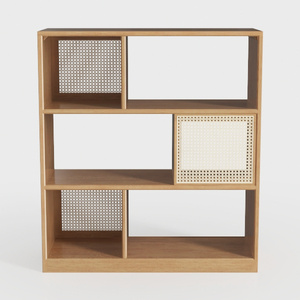
An effective divider finds a harmonious equilibrium between open display and discreet storage. I typically prefer a 70/30 composition: predominantly open shelves to maintain lightness, along with 30% enclosed sections to conceal items like routers, cables, or storage baskets. Turning some of the cubbies to face the other side allows both sections to benefit—art displayed towards the living area and work files directed toward the office.
Safety, Security, and Comfort Considerations
For freestanding installations, it is advisable to employ obscured floor brackets or anti-tip straps. Maintain primary shelf heights between 24–60 inches—an optimal range for comfortable access for most adults. If the divider also serves as a media console, it’s wise to design cable management solutions and include ventilated back panels. Rounded front edges help prevent injuries along pathways.
Simple DIY Approach
Required tools: circular saw or track saw, drill/driver, pocket hole jig, clamps, square, and sander. Needed materials: plywood or solid wood for shelving and uprights, hardwood edge banding, screws, wood glue, adjustable feet, brackets, and finish.
Steps to follow: 1) Draft the grid with clear bay sizes and indicate which direction each bay faces. 2) Cut the uprights and shelves, pre-finish the parts to minimize cleanup. 3) Assemble submodules (two uprights and 3–4 shelves) employing pocket screws and glue. 4) Incorporate closed boxes for structural integrity. 5) Level and connect submodules; install adjustable feet. 6) Securely anchor; incorporate lighting and manage cables. 7) Finalize edges, conduct load tests, and style it appropriately.
Dual-purpose Styling
Position heavier books toward the bottom and lighter decor at the top. Keeping a diagonal pattern—books, plants, artwork, and more books—allows the divider to function as a gentle screen rather than a solid wall. Placing plants at higher levels can soften the divider's profile and enhance perceived privacy, all while still allowing light to filter through. Utilize trays in facing bays to prevent small items from falling through.
Enhancing Acoustic Comfort in Open Spaces
Books naturally diffuse sound. To minimize echo, it is effective to interrupt lengthy shelves with vertical dividers and integrate soft materials. Using felt-lined bins or cork-backed panels across selected bays can significantly reduce sound reverberation in spaces with hard flooring and limited textiles.
Smart Layout Ideas for Compact Areas
Position the divider slightly off-center to create a subtle pathway and visual reveal. Ensure a circulation space of 30–36 inches on the primary route. If you’re determining the optimal position—whether perpendicular to a window or floating in the room's center—consider utilizing a digital interior layout planner to visualize the arrangement: interior layout planner.
Long-term Maintenance Considerations
Select finishes that lend themselves to touch-ups, such as hardwax oils for solid wood and durable waterborne poly for plywood. Conceal LED channels behind magnetic covers for easy replacements. Regular seasonal inspections on anchors will help maintain the divider's integrity.
Frequently Asked Questions
For effective zoning without overwhelming the space, a divider height between 60–72 inches is ideal. If anchoring into a wall or floor plate is possible, consider taller options. Reserve top shelves for lighter items.
Twelve inches is the ideal depth for most books and decor items. Opt for 14 inches if you need storage for hidden bins or media equipment, ensuring that a wider base or secure anchors are used.
Employ 60–70% open shelving while orienting the divider perpendicular to windows. This arrangement reduces glare and maintains brightness, aligning with WELL guidelines on visual comfort.
A color temperature of 3000K creates a cozy atmosphere in living spaces; 3500K provides neutral clarity for reading and working. Aim for dimmable lighting options to adjust brightness throughout the day.
Use anti-tip straps secured into wall studs whenever feasible. If studs are unavailable, opt for floor plates concealed by the base, and keep heavier items stored lower down.
Indeed. Books help to diffuse reflections; adding felt-lined bins or cork-backed panels can effectively absorb mid to high frequencies in rooms prone to echo.
Allow for 30–36 inches in main circulation routes. Consider testing placements digitally with a layout simulation tool to optimize flow and sightlines.
Solid wood frames with quality plywood shelves withstand warping and are easily repairable. Choose low-VOC finishes to promote healthier indoor air quality.
Following IES standards: aim for a brightness of 300–500 lux on pages. Combining ambient light with a focused task lamp can comfortably achieve this level.
A 70/30 mix of open to closed shelving enhances the functionality and lightness of the divider. Utilize closed sections for hiding cables while also adding rigidity to the structure.


Homestyler is your go-to online platform for home design, offering a user-friendly tool to create stunning layouts effortlessly. With impressive 3D renderings and an extensive library of design projects and DIY video tutorials, it's perfect for both novices and seasoned decorators looking to elevate their space!
지금 무료로 디자인하세요
































