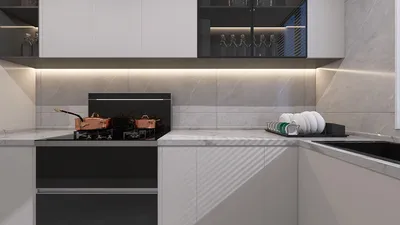


Designing small kitchens where every space is utilized effectively often leads to the choice of small kitchen tables with benches over traditional chair setups. Benches can effortlessly slide under the table, creating a visually clearer floor space, while accommodating more diners without adding to the clutter. With proper planning focusing on proportions, materials, lighting, and movement, even modestly sized kitchens can feel spacious and inviting, especially when utilizing tools like Homestyler for a detailed design.
In a compact kitchen, functionality is paramount. Research by Steelcase indicates that optimizing spatial efficiency and ensuring unobstructed sightlines can significantly enhance comfort levels, particularly in multifunctional areas where dining coincides with work or study. The WELL Building Standard (WELL v2) emphasizes the importance of controlling glare and maintaining suitable color temperatures (between 2700–3000K for residential dining) to enhance visual comfort. Keeping ambient light levels at 150–300 lux and table surface illumination between 300–500 lux contributes to a pleasant atmosphere. I fine-tune these lighting levels using dimmable fixtures, which align perfectly with using Homestyler for room planning.
Effective space planning is crucial in smaller kitchens. Ensuring at least 30 inches of clearance behind seating prevents bottlenecks, while a comfortable 24 inches per diner on a bench is essential. The NKBA provides valuable guidance on maintaining reasonable clearances around seating and pathways in home kitchens. When benches are designed to fit underneath the table seamlessly, these measurements help the space appear well-organized. To visualize layouts more effectively, utilizing an interior layout planner like Homestyler allows quick comparisons between options like corner banquettes and straight benches, facilitating informed decision-making.
Why Benches Are Perfect for Compact Kitchens
Benches can maximize seating in small kitchens. For instance, a table measuring 48–54 inches can comfortably accommodate four diners with a single long bench, and a 60-inch table can seat 5-6 with two benches. Backless designs are particularly useful, as they slide fully under the table, helping to declutter the floor and maintain sightlines. I prefer rounded corners on tables to promote smoother traffic flow and minimize physical interactions, especially in tight spaces.
Ideal Dimensions and Proportions
- Table width ranging from 28–34 inches ensures comfortable reach while maintaining openness in the room.
- A table length of 48–60 inches is typically suitable for most small dining kitchens.
- Standard table height should be between 29–30 inches, with the bench seat height around 17–19 inches for ergonomic compatibility.
- A bench depth of 14–16 inches provides support without overcrowding.
- Ensure at least 30 inches of clearance from the table edge to the nearest obstruction, and extend this to 36 inches for main traffic routes.
Layout Tips for Compact Spaces
- Wall-mounted benches: Position a fixed bench along the longest wall to reduce chair conflicts.
- Corner banquettes can create cozy nooks while maximizing seating; incorporating storage beneath enhances vertical efficiency.
- Foldable solutions such as hinged or nesting benches can free up space after meals.
- Offset pedestal tables: A central pedestal design helps avoid leg clashes and enables the bench to tuck in completely.
- Achieving visual lightness through slim legs and lighter colors can make the space appear larger.
Effective Lighting and Glare Control
Quality lighting can transform small spaces. Hanging a pendant light over the table at a height of 28–34 inches fosters intimacy while ensuring clear sightlines. Warm-white LED lights (2700–3000K) soften harsh light, and using diffused shades minimizes glare on reflective surfaces. I aim for an ambient brightness of 150–300 lux, boosting it to 300–500 lux for tasks at the table. If strong daylight is prevalent, incorporating dimmable layers can help maintain comfortable lighting ratios, thereby reducing visual fatigue according to WELL v2 standards.
The Psychology of Color in Compact Dining Areas
The choice of color can significantly impact mood and perceived space. Soft neutrals with warm undertones tend to stimulate appetite and encourage social interactions. Insights from Verywell Mind's color psychology resonate with my observations: muted warm tones create a welcoming atmosphere, while cooler shades can pacify bustling kitchen environments. In small kitchens, it’s best to keep vibrant colors confined to accents like pillows or artwork, allowing the table surfaces and benches to establish the visual foundation. A monochromatic theme featuring one contrasting texture, such as a wood bench paired with a matte table, keeps the space lively yet cohesive.
Materials: Emphasis on Durability and Sustainability
- Tabletop options include high-pressure laminate, solid wood with a strong finish, or sintered stone, which resist heat and stains.
- For benches, consider hardwood frameworks or powder-coated steel, along with upholstery in durable performance fabrics (≥100,000 double rubs) to ensure longevity.
- Opt for removable and washable cushion covers for practicality in busy kitchens.
- Focus on sustainability by selecting FSC-certified materials, low-VOC finishes, and resilient surfaces that lower the need for replacements.
Ergonomics and User Comfort
Comfort stems from proper angles and support. A bench seat depth of 14–16 inches combined with a waterfall edge encourages comfort. If a backrest is desired, angling it backward by 5–10 degrees and incorporating a lumbar support around 4 inches thick is advisable. Allow 24 inches of linear space per person on the bench to ensure elbow room. A pedestal base is perfect for preventing knee clashes—key in compact settings.
Handling Acoustics in Compact Kitchens
Hard surfaces can amplify noise. To mitigate this, consider adding soft seating cushions, a washable flat-weave rug, or acoustic art panels to absorb sound. Upholstered bench pads can soften the clattering of dishes and glassware; it's also wise to avoid large glass pendants that lack diffusers to minimize reflective noise and glare.
Storage-Integrated Bench Concepts
Benches with flip-up seats provide excellent storage for linens, placemats, and small appliances. In banquette setups, opting for deep drawers is often more user-friendly than tall lids. Ensure that hardware includes soft-close features to prevent any pinches in family-friendly kitchens and protect wood floors with felt pads beneath the bench legs for smooth sliding.
Visual Harmony and Spatial Flow
Creating rhythm in a small dining space adds appeal. Repeating wood or metal finishes across shelves, fixtures, and bench legs helps create a cohesive look. Aim for contrasting values, such as light walls, medium benches, and darker tabletops, to create layered depth without overwhelming the room. Soft corners on tables paired with a standout pendant can guide the eye through the space, maintaining a focused ambiance.
Style Trends for 2024-2025
- Soft minimalism focusing on friendly forms, matte finishes, and warm metals.
- Compact banquettes featuring upholstered backs with tailored seams.
- Natural textures such as oak, ash, travertine looks, and linen blends.
- Multifunctional surfaces suitable for both dining and work—prioritize glare-free lighting and easy-to-clean materials.
- Incorporate gentle curves with arc-edged tables and rounded bench corners to enhance flow and safety.
Planning Essentials
- Measure to ensure clearances of 30–36 inches around table edges in high-traffic areas.
- A pedestal table base is ideal for knee comfort in compact spaces.
- Choose warm-white LED lights (2700–3000K) and include dimmer switches.
- Confirm bench seat height (17–19 inches) and depth (14–16 inches) for comfort.
- Prioritize easy-care textiles and low-VOC finishes for better indoor air quality.
- Utilize a room design visualization tool like Homestyler before final purchases to verify layout suitability.
- Create an anchored palette featuring one natural texture alongside a matte finish.
Tip 1: Slim Corner Banquettes
Keep backrests slim and cushions firm to maximize depth savings. A streamlined back allows the table to sit closer, enhancing usable floor space. Use a single pendant and a pair of wall sconces to provide balanced light without cluttering the ceiling.
Tip 2: Advantages of Backless Benches
Backless benches can slide completely under the table, which helps open up sightlines—especially effective when positioned opposite a busy prep area. Adding a cushioned pad with non-slip backing enhances comfort and simplifies cleaning.
Tip 3: Durable Material Combinations
Pair a stain-resistant matte laminate table with a solid wood bench for a warm touch. Performance fabric cushions in neutral tones elegantly hide minor spills and maintain a sophisticated look over time.
Tip 4: Adjusting Light for Versatile Use
Plan to incorporate dimmable lighting layers: a central pendant for ambient light, under-shelf LEDs for task illumination, and a portable lamp for nighttime reading or laptop use. Consistent color temperature ensures that the space feels cohesive.
Frequently Asked Questions (FAQs)
Q1: What clearance is necessary around a bench for comfortable movement?
A1: Aim for a minimum of 30 inches from the table edge to any obstruction; extend this to 36 inches for primary circulation paths.
Q2: What table base works best with benches?
A2: A pedestal base reduces clash of legs and allows the bench to tuck in fully, which is ideal in constrained kitchen spaces.
Q3: How many people can be seated comfortably on a small bench?
A3: Plan for approximately 24 inches of space per person. A 48–54 inch bench accommodates two individuals comfortably, and possibly three if it's backless and used occasionally.
Q4: What lighting specifications should I target for over the table?
A4: Maintain ambient light around 150–300 lux and elevate task lighting at the tabletop to 300–500 lux using a dimmable pendant to accommodate both dining and lighter tasks.
Q5: Are backless benches suitable for longer meals?
A5: Backless benches are appropriate for casual dining. For extended periods, consider adding a firm cushion or lumbar support and choose benches with softly angled backs.
Q6: What materials are easiest to clean after spills?
A6: Matte laminates, sealed solid wood, and sintered stone resist staining effectively. Pair these with performance cushions that offer removable, washable covers for added convenience.
Q7: How can I reduce noise in a compact kitchen with hard surfaces?
A7: Employ upholstered bench pads, a washable rug, and diffused lighting fixtures to absorb sound. Soft materials can significantly reduce noise and impacts from dishes.
Q8: Can benches offer storage without appearing bulky?
A8: Yes, consider benches with under-seat drawers or slim flip-up tops. Keep front panels flush and select soft-close hardware for a sleek profile.
Q9: What colors can make a small dining space appear larger?
A9: Lighter, warm neutrals combined with a single textured accent can create a sense of visual expansion, while use of vibrant hues should be limited to small decor items.
Q10: How can I avoid bumps from table corners in tight spaces?
A10: Opt for rounded corners and maintain a minimum clearance of 30 inches around exposed edges to promote safety and comfort.
Q11: Are benches suitable for use by kids and seniors?
A11: Yes, designs with sturdy bases and non-slip cushions, along with seat heights around 17–18 inches, can accommodate both children and seniors effectively. Consider incorporating armrests for added support for seniors.
Q12: How can I effectively test various layouts before making a purchase?
A12: Utilize a layout simulation tool like Homestyler to explore and compare different configurations such as wall-hugging benches, banquettes, and pedestal tables, ensuring that clearances and flow feel optimal.
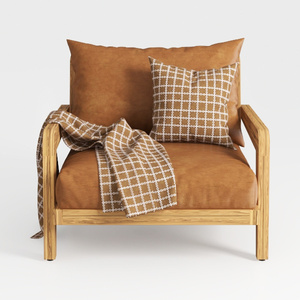
VINGLI Upgraded Premium Corduroy Accent Chairs Set
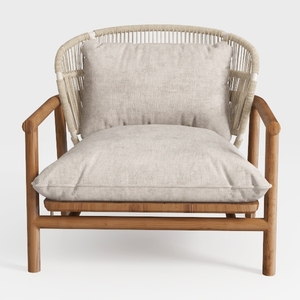
ANJ Modern Arm Chair, Mid-Century Modern Accent Ch
Homestyler is your go-to online home design platform! With its easy-to-use design tool, stunning 3D renderings, and a wealth of DIY video tutorials, you can effortlessly create and visualize your dream spaces. Transform your home design journey today!
تصميم الآن مجانا
































