

Once, I made the mistake of installing a plug-in LED wall light upside down, thinking the cord would be hidden. My client kindly pointed out that this created an unwanted spotlight for dust. This experience taught me the significance of small details in compact areas. Indeed, small spaces can inspire great creativity, and among my preferred quick upgrades are plug-in LED wall lights, which make a big impression.
1. Transform your bedside with a swivel plug-in LED
I frequently suggest utilizing a swivel plug-in LED wall light for creating a bedside reading nook. This fixture clamps onto the wall, eliminating the need for an electrician. The main benefits include focused lighting for reading and reduced clutter on your nightstand. However, the visible cord can be an issue, which I typically conceal along moldings or behind narrow shelves. For a tidy look, position the light above a floating nightstand so the cord can be neatly hidden behind it.
save pin
2. Create inviting accent lighting in small entryways
In tight foyers, incorporating a plug-in LED wall light adds layers of welcoming light without the hassle of rewiring. I've found that dimmable options help set the mood and visually expand the space; plus, they are affordable and easy to move. The downside is that without hardwiring, you may need to replace these fixtures with permanent sconces in the event of a long-term remodel.
save pin
3. Effective task lighting for a tiny home office
In micro offices, mounting a directional plug-in LED above your desk can help eliminate glare and free up valuable desk space. I prefer fixtures that offer adjustable color temperatures to accommodate both focused work and video calls. A challenge arises with cord management, which I typically resolve by running the cord to the nearest outlet and securing it with adhesive cable channels for a clean appearance. If you're looking for layout tools, consider using the intuitive Homestyler 3D floor planner to visualize your setup.
save pin
4. Employ layered lighting strategies in studio apartments
Layering lighting is my go-to strategy for studio apartments. By combining a central pendant with one or two plug-in LED wall lights, you can delineate areas effectively. These lights are cost-effective, allow for flexible placement, and add depth to the environment. However, it’s essential to consider scale; oversized fixtures may be overwhelming, while smaller, adjustable LEDs tend to be a better fit. To test various layouts before purchasing, tools like Homestyler can help you visualize the optimal positions.
save pin
5. Bathroom mirror task lights (with moisture-rated options)
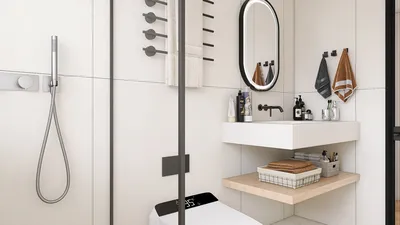
Plug-in LED wall lights that are rated for damp conditions can be perfect for use next to mirrors in bathrooms without needing extensive rewiring. I've often installed these for renters seeking stylish upgrades that can be reversed later. Their affordability and flexible style are significant perks, but it's critical to ensure the fixtures are appropriately rated — always check the IP rating. When designing a compact bathroom, the Homestyler bathroom design tool can assist in placing lights effectively for proper illumination.
save pin
FAQ
Q: Are plug-in LED wall lights secure for bathroom use? A: They are safe as long as they are rated for damp areas (look for IP44 or higher) and installed away from direct water exposure. Always adhere to manufacturer instructions.
Q: Can I conceal the cord of a plug-in wall light? A: Yes, you can use adhesive cable channels, run cords behind furniture, or hide them along baseboards to achieve a cleaner look.
Q: Do plug-in LEDs provide adequate lighting for reading? A: Many do; opt for those with adjustable brightness and directional features to ensure effective task lighting.
Q: Will a plug-in light appear cheap? A: Not necessarily; high-quality finishes and proper placement can give them an intentional appearance rather than a temporary look.
Q: Can I utilize a plug-in LED in a rental property? A: Absolutely; they are ideal for renters as they are removable and do not cause damage when taken down.
Q: How do I select the appropriate color temperature? A: For warm and cozy environments, choose 2700–3000K, while 3500–4000K is better for task-oriented areas. Fixtures with adjustable options offer more versatility.
Q: Where can I visualize different layouts before making a purchase? A: Utilize online visualization tools to experiment with placement; for detailed guidelines, you can refer to the comprehensive lighting guide from the Illuminating Engineering Society (IES) at https://www.ies.org/ for standards and recommendations.
Q: Are dimmable plug-in LED wall lights available? A: Yes, many models offer dimming capabilities, but you should check the compatibility between the LED fixture and your dimmer switch or inline dimmer.
save pin
Discover the creative possibilities with Homestyler, the ultimate online home design platform! Its user-friendly design tool, stunning 3D renderings, and a wealth of design projects and video tutorials make it easy to turn your home design dreams into reality.
立即免费设计
































