

I've designed countless solutions for compact entries, and a sleek, wall-mounted coat rack has proven to be one of the most beneficial upgrades for small foyers, studio flats, and tiny hallways. By utilizing a clean vertical surface, quality hardware, and appropriate spacing, you can effectively turn disarray into a well-organized welcoming area. Incorporating tools like Homestyler can assist with visualizing your design options.
Effective design relies on practical performance. According to Gensler’s workplace studies, maintaining visual order and facilitating smooth circulation significantly enhance user comfort and productivity, particularly in compact spaces. Furthermore, WELL v2 emphasizes that managing clutter, providing adequate reach zones, and ensuring safe load-bearing characteristics enhance usability and minimize trip risks in everyday settings. These principles drive the selection of materials that resist warping, the right hook spacing for accommodating coats alongside bags, and the optimal mounting heights to suit the majority of users.
Most adults find a hook height of 66-68 inches (167-173 cm) comfortable for hanging coats, with an additional lower row at 42-48 inches (107-122 cm) ideal for children's items or bags. The Illuminating Engineering Society (IES) suggests a lighting level of 100-200 lux in corridor and task-adjacent areas, ensuring that hooks, zippers, and keys are visible without glare—crucial in confined spaces where shadows might conceal hazards. With these benchmarks, we can proceed to design a compact rack that truly utilizes its wall space efficiently, possibly with the aid of Homestyler for layout planning.
Design Goal: Small Footprint, Maximum Functionality
In narrow entries, every inch counts. Therefore, I strive for a rack that extends no more than 3.5-4 inches (9-10 cm) from the wall while covering 18-30 inches (46-76 cm) in width, perfect for micro-spaces. A slim backer board will evenly distribute the load across wall studs, and a row of robust, rounded hooks will protect delicate fabrics and fingers. If your layout is undergoing changes, consider prototyping the placement with a removable paper template or utilizing a room layout tool—like Homestyler—to simulate traffic flow and door clearance prior to drilling.
Durable Materials & Hardware
- Backer board: Use 1x4 or 1x6 hardwood (such as oak, maple, or ash) or high-quality plywood that is straight and kiln-dried. The length should match your wall, typically around 18-30 inches.
- Finish: Choose a water-based polyurethane or hardwax oil with low VOC to ensure healthier indoor environments.
- Hooks: Opt for solid metal (brass, stainless, or powder-coated steel) with rounded designs. Plan on installing 4-6 hooks for smaller entries.
- Fasteners: Use 2.5-3 inch wood screws for attaching to studs; if no studs are present, heavy-duty wall anchors that support 30-50 lb (13-23 kg) each are recommended, although stud mounting is best.
- Mounting: Keyhole brackets or French cleats provide a sleek installation; both methods distribute loads efficiently.
- Tools needed: Stud finder, level, tape measure, drill/driver, countersink bit, sandpaper (grit of 120/180/220), saw, and safety equipment.
Dimensions Suited for Tight Entries
- Height: Mount hooks at 66-68 inches tall for adults and add a lower rail at 42-48 inches for children or bags.
- Spacing: Maintain 6-8 inches between hook centers for bulky winter coats; 4-6 inches for lighter items. A compact rack with five hooks on a 24-inch board should allow for spacing of around 4.5-5 inches on center when alternating hook depths.
- Projection: Keep the combined depth of rack and hooks under 4 inches to accommodate door swings and preserve hallway width.
Cut, Prepare, and Finish
1) Cut and sand: Trim the board to the desired length. Smooth the edges with 120 grit, then progress to 180 and 220 for a refined finish that won’t snag items like scarves.
2) Layout: With a pencil, mark the hook positions along the centerline. Pre-drill pilot holes to avoid splitting the board during installation.
3) Mounting system: Create keyholes or attach a narrow French cleat on the back. Alternatively, drill two or three countersunk holes aligned with the studs for direct fastening.
4) Finish: Apply two to three coats of water-based polyurethane (matte or satin). Allow each layer to cure based on the manufacturer's instructions and lightly sand between layers for durability and ease of cleaning.
Installation & Load Considerations
- Prioritize studs: Align at least two mounting points with studs at 16 inches on center whenever feasible. A single winter coat can weigh anywhere from 3-4 lb; with the addition of a loaded bag, you could easily reach 10-15 lb per hook. Engaging the studs ensures long-term integrity.
- Anchors: If studs don't align properly, utilize high-capacity anchors and keep the total load below their rated capacity. Distribute heavy items over multiple hooks to maintain balance.
- Level and clearance: Use a laser level to check alignment and ensure at least 36 inches of clear passage in tight hallways for comfortable movement.
Lighting, Color, and Comfort
Effective lighting prevents mishaps. Aim for 100–200 lux of ambient light at the entrance and incorporate a wall sconce or ceiling fixture with a color temperature of 2700–3000K and a high color rendering index (CRI 90+) to ensure colors appear true—particularly useful when coordinating coats and accessories. Opt for diffused shades to minimize glare; avoid stark bright sources at eye level.
Color psychology contributes to calm and functional entries. Muted neutrals (like warm gray, sand, or desaturated olive) create a soothing backdrop, while a contrasting backer board (deep navy or walnut) draws attention and indicates where to hang items. Choose brass or matte black hooks for tactile contrast and easy identification.
Material Selections and Sustainability
Select FSC-certified hardwood or formaldehyde-free plywood for environmental considerations. Low-VOC finishes enhance indoor air quality. If you appreciate the look of aging, uncoated brass hooks develop a beautiful patina and require less maintenance than plated alternatives. In coastal climates, stainless steel is ideal due to its resistance to corrosion.
Step-by-Step Assembly: Compact Rack
1) Gauge wall width, door swing, and nearest light switch. Use painter’s tape to confirm height and projection.
2) Cut and finish the board as mentioned earlier. Pre-position hooks and outline their centers.
3) Identify stud locations. Mark these on the board for hidden mounting points or set your French cleat in place.
4) Pre-drill and temporarily install hooks. Secure the board to the wall at a level position, and then fasten the hooks tightly.
5) Verify load capacity by testing with 10-15 lb bags to ensure no flex or wobble. Adjust fasteners if necessary.
Layouts for Micro-Entries
- Single rail: Install five hooks along a 24-inch board mounted at a height of 67 inches—perfect for ultra-narrow corridors.
- Staggered double rail: An upper rail at 67 inches and a lower one at 44 inches with staggered hooks to avoid overlap. Ideal for families.
- Corner mount: Two short rails meeting at a right angle, each 18 inches wide, allowing for minimal projection while doubling storage capacity.
When considering broader entry layouts, evaluate circulation and door clearances using an interior layout planner like Homestyler to visualize how coats, benches, and shoe storage can coexist in the same area without conflicts.
Sound and Daily Interactions
Implementing soft-close features can help minimize noise in hard-finished entries. Opting for leather loops or wooden knobs reduces noise levels compared to hollow metal pegs. Additionally, a slim felt pinboard positioned above the rack can absorb sound and serve as an organizer for keys or notes—reducing clutter on counters.
Maintenance and Safety
- Monthly review: Tighten hook screws every month; changes in load can loosen hardware over time.
- Care for finishes: Clean surfaces with a damp cloth, steering clear of harsh cleaners on natural wood. Refresh oil or wax treatments annually if applicable.
- Safety: Use rounded hook designs to minimize snagging; ensure no hooks extend into the door path. Keep the lowest tips of hooks above 40 inches to avert hazards for small children.
References for Improved Decision Making
For guidelines on ergonomics and movement-friendly designs, I rely on insights from the WELL v2 standards set by the International WELL Building Institute. Gensler’s research library is also an excellent resource for studies on environmental arrangement, order, and perceived comfort—especially useful in small-space planning.
FAQs
Q1: What is the optimal height for installing a coat rack in a constrained entry?
A: For adults, a height of 66-68 inches to the top of the hook feels natural. You may also want a second rail at 42-48 inches for children or bags, accommodating various reach ranges while keeping the corridor unobstructed.
Q2: How many hooks can I accommodate on a 24-inch board?
A: Installing four to five hooks is ideal. Maintain a distance of 4.5-6 inches on center; for bulkier coats, you should lean toward the 6 inches to prevent crowding, which can cause overlap and visual disorder.
Q3: Is it necessary to install directly into studs, or can wall anchors suffice?
A: For enduring durability, stud mounting is recommended. If the studs do not align, use high-capacity anchors while adhering to load limits per hook and distribute heavier items across multiple hooks for safety.
Q4: Which wood types provide the best durability?
A: Dense hardwoods such as oak and maple are excellent choices as they resist denting and damage from screws. High-grade plywood also proves stable and resists warp when humidity levels fluctuate.
Q5: What hook shape is the safest and most fabric-friendly?
A: Hooks with rounded or ball ends minimize snags and strain on fabric seams. Opt for solid metal or robust wood for sturdiness while avoiding sharp-edged designs.
Q6: How do I prevent the rack from appearing bulky in a narrow hallway?
A: Ensure the total projection is kept under 4 inches by using a slim backing and low-profile hooks. Align the rack with other visual elements—like a console table or mirror—for a harmonious and uncluttered entrance.
Q7: What kind of lighting enhances functionality at the entrance?
A: Aim for 100-200 lux of ambient lighting using a 2700-3000K source combined with a diffuser to minimize glare. A high CRI of 90+ ensures that colors are accurately represented for coats and accessories.
Q8: Is it possible to integrate storage for keys and mail without creating a cluttered space?
A: You can add a slim shelf above the hooks, no deeper than 3.5 inches, or a felt pinboard for organizing without overwhelming the area. Keep it simple to maintain passage clearances and lines of sight.
Q9: How should I plan around a door when placing the rack?
A: To ensure clear movement, install hooks outside the door's swing area while preserving at least 36 inches of passageway. Using a paper template or layout simulation tool like Homestyler can be convenient before implementation.
Q10: What finish is the most durable for high-use applications?
A: A water-based polyurethane with a matte or satin finish is robust and simple to maintain. For those who prefer a more natural appearance, hardwax oil is effective; just be sure to reapply annually.
Q11: Do you have recommendations for renters unable to drill holes?
A: Look into a slender leaning rail secured with non-slip pads and consider tension pole solutions if permissible. Adhesive hooks are suitable for lightweight items but won't be effective for heavier winter coats.
Q12: How much weight can a standard wall-mounted rack hold?
A: With proper installation using two studs, a compact rack can typically support 40-60 lb when the weight is distributed evenly. Always verify hardware ratings and assess the condition of the wall before proceeding.
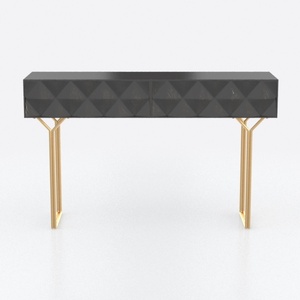
Ameriwood Home Serenity Computer Desk, Graphite Gr
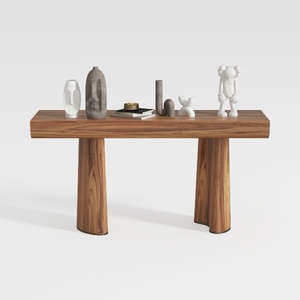

18 in. Brown Rectangle Wooden Console Table with R
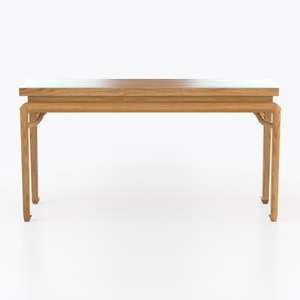
61.5 in. Natural & Unsealed Finish Rectangle Elm W
Homestyler is your go-to online home design platform, perfect for turning your dreams into reality. With an easy-to-use design tool, stunning 3D renderings, and an abundance of inspiring DIY video tutorials, you can create beautiful spaces effortlessly. Start your design journey today!
지금 무료로 디자인하세요
































