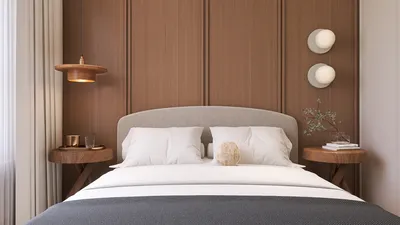


In my early career, I made the mistake of hanging a chandelier just two inches too low in a client's apartment, which led to some awkward moments as they bumped their heads while making coffee. This experience made me realize that proper lighting is just as much about its placement as it is about its aesthetic appeal. In small living rooms, the challenges can be tough, yet they spur creativity; with the right lights, even the coziest spaces can appear spacious and welcoming, a concept I've come to appreciate while using tools like Homestyler for design planning.
1. Combine Ambient, Task, and Accent Lighting
I recommend starting off with three essential layers of lighting: a gentle ambient source, task lighting for activities like reading or working, and accent lights to draw attention to artwork or architectural features. The beauty of this approach lies in its adaptability — you can effortlessly shift the ambiance without the hassle of rewiring. However, managing glare in tighter spaces can be tricky. Opt for dimmable lights and fixtures with adjustable angles to combat this issue effectively.
save pin
2. Install Wall Sconces to Maximize Floor Space
When every square foot counts, wall sconces can provide excellent lighting without intruding on valuable floor space. I once installed a couple of swing-arm sconces above a narrow sofa, and the client adored how the room seemed more airy. Just remember that the height of installation is critical, and some walls may require additional support for heavier fixtures.
save pin
3. Utilize LED Strip Lights for Soft Depth
Installing LED strip lights behind cabinets, beneath shelves, or along crown moldings can introduce a gentle ambiance that creates the illusion of more space. During a project for a compact living area, I suggested cove lighting using LEDs, which successfully made the ceiling feel higher. Be mindful of the color temperature; warm white (2700–3000K) tends to provide a cozier feel in living spaces.
save pin
4. Choose a Proportioned Pendant for a Statement Look
A well-sized pendant can serve as a stunning focal feature without overwhelming the area. For instance, I selected a layered metal pendant with an open design that cast captivating shadows while maintaining clear sightlines. It’s crucial to be cautious with sizing; large fixtures in compact rooms can appear far too heavy, so it’s best to opt for scaled-down yet striking pieces.
save pin
5. Employ Smart Controls for Mood and Efficiency
With smart dimmers, pre-set scenes, and zoned circuits, you can customize light settings for movie nights, reading time, or entertaining guests. In a small apartment, I installed a multi-scene controller that allowed the client to switch from bright cleaning light to cozy evening ambience with ease. Keep in mind that setting this up can be complex, and reliable Wi-Fi or a straightforward hub is essential for seamless operation.
save pin
Tips 1:
When planning out layouts and visualizing the placement of fixtures, I frequently depend on a robust room planner like Homestyler to create mockups before making any permanent changes.
save pin
FAQ
Q: What is the best color temperature for living rooms?
A: A warm white range of 2700–3000K fosters a cozy vibe; 3000K offers a balanced mix between warm and neutral lighting.
Q: Should I incorporate recessed lighting in a cozy living room?
A: Recessed lights can be excellent for subtle ambient lighting, but it’s advisable to pair them with task and accent sources to avoid a flat look.
Q: How many lumens should I aim for in my living room?
A: Aim for a total of 1,500–3,000 lumens based on the size of the space and the desired brightness; using layered lighting can help achieve these levels comfortably.
Q: Are smart bulbs a worthwhile investment?
A: Absolutely — they offer scene control and energy conservation, although they do require connectivity and occasionally a hub for complete functionality.
Q: Can I blend different metal finishes in my lighting?
A: Mixing metals can yield a curated look as long as there’s a consistent tone or recurring accent; avoid random combinations to maintain visual order.
Q: How can I minimize glare from lamps and pendants?
A: Utilize diffusers, shades, or strategically position fixtures to direct light away from direct sightlines; incorporating dimmers can also aid in managing brightness levels.
Q: What are some economical lighting upgrades?
A: Consider replacing bulbs with LEDs, adding plug-in sconces, or installing dimmer switches for significant impact at a low cost.
Q: Where can I discover design references and lighting standards?
A: For reliable information, consult the IES (Illuminating Engineering Society) lighting guidelines (https://www.ies.org), which provide excellent standards regarding luminance and spacing.
save pin
Discover your home's potential with Homestyler! This user-friendly online design platform offers a powerful design tool, stunning 3D renderings, and a wealth of DIY video tutorials. Whether you're starting a new project or simply seeking inspiration, Homestyler makes home design accessible and fun for everyone!
Дизайн сейчас бесплатно
































