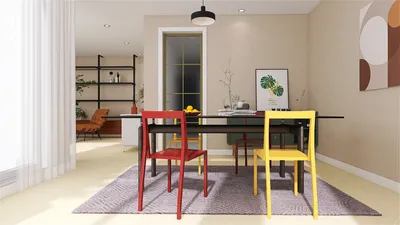


I often chuckle about a client who believed that their compact 400 sq ft studio needed a designated area for yoga, a home office, and a space for an extra guest bed—all without creating a cluttered look. This challenge pushed me to rethink how to integrate multiple functions into every available surface, which ultimately led to many of my favorite decorating concepts for small apartments. If you aim to actually design a snug spot, let me guide you on creating a spacious and purposeful atmosphere, regardless of the size.
1. Opt for multifunctional furniture
I truly appreciate furniture that serves dual purposes, such as a stylish storage ottoman that also works as a seat, a sofa bed that unfolds seamlessly, or a console table that transforms into a dining area. The benefit is obvious—fewer pieces with greater utility—but the challenge lies in finding quality items that don’t resemble typical ‘apartment furniture.’ My recommendation is to splurge on a standout multifunctional piece and keep the rest minimal.
save pin
2. Utilize vertical space
Incorporating shelves, wall-mounted desks, and tall cabinets can reclaim floor space while creating a sense of visual height. I've successfully employed open shelving above kitchen counters and beds to maintain easy access to essentials while keeping surfaces clear. It’s an affordable starting point, but ensure to balance heavier items with lighter decor to avoid a top-heavy appearance.
save pin
3. Incorporate mirrors and layered lighting
Strategically placing a mirror can enhance the perception of space and reflect natural light into dim areas, while layered lighting allows mood changes without physically reorganizing space. I often blend a ceiling light, a task lamp, and an accent lamp to add dimension. However, managing wiring or placement can pose a challenge in rentals, so opting for plug-in options might be advisable when necessary.
save pin
4. Define zones with rugs and arrangement of furniture
Rugs, well-placed lighting, and furniture layout serve as my primary strategies to create zones for living, working, and sleeping without the need for walls. In one small apartment I designed, a rug and a low bookshelf effectively separated the home office from the living area, giving it a more intentional feel rather than a cramped one. On a budget? Rugs are a fantastic way to shift a space's perception, and you don't need to invest heavily to achieve noticeable results.
save pin
5. Maintain a cohesive color scheme with bold accents
Sticking to a limited color range with one or two accent shades helps an apartment feel more expansive and intentionally designed. I frequently choose neutral tones for larger items and introduce vibrant bursts through pillows, artwork, or a colored door. The upside is a harmonious, tranquil space; however, an overly neutral palette can feel dull, so be unafraid to incorporate playful patterns.
In the middle of any project, I often revisit previous designs to assess flow, which is precisely when I choose to create a floor plan to refine layouts prior to any purchases. If you desire to craft a layout swiftly and sidestep costly errors, utilizing a simple digital tool can save both time and frustration.
save pin
FAQ
Q1: What are the best decorating strategies for small apartment living?
I emphasize the importance of multifunctional furniture, vertical storage solutions, and a cohesive color scheme. These strategies maximize functionality while minimizing visual clutter without the need for significant renovations.
Q2: How can I make a studio apartment appear larger?
Utilize mirrors, light colors, and furniture arrangements that don’t obstruct sight lines. Creating distinct zones with rugs and lighting further enhances the perception of multiple purposeful areas within a studio.
Q3: Is it beneficial to invest in custom storage?
Custom storage can significantly improve functionality, especially for uniquely shaped spaces or specific storage needs. However, for many renters, modular systems and strategic shelving often provide similar advantages at a more manageable cost.
Q4: What’s the quickest way to refresh an apartment on a budget?
Update textiles—think pillows, curtains, and rugs—and refresh light fixtures. These enhancements can instantly transform the mood and are generally simple to implement without breaking the bank.
Q5: How can I align style with rental restrictions?
Limit permanent modifications: utilize removable hooks, peel-and-stick wallpaper, and freestanding furniture options. I've assisted many clients in achieving significant visual enhancements while preserving their security deposits.
Q6: Which plants are suited for compact apartments?
Opt for low-maintenance plants like pothos, snake plants, and ZZ plants, which thrive in various lighting conditions and require minimal care. They infuse life into the space with minimal effort and space usage.
Q7: Do indoor plants truly enhance air quality?
While plants can improve aesthetics and contribute to VOC absorption, they should not replace proper ventilation. As per the U.S. Environmental Protection Agency, effective airflow and control of sources are the critical elements for optimal indoor air quality.
Q8: How can I visualize layout concepts before purchasing furniture?
Utilize a basic 2D or 3D sketch to test the layout and scaling; this preliminary step can save both money and frustration. When collaborating with clients, I often suggest they envision a compact kitchen or living arrangement using digital tools before finalizing decisions.
save pin
Discover the ease of home design with Homestyler! This user-friendly platform offers an intuitive online design tool, stunning 3D renderings, and a wealth of DIY video tutorials. Whether you’re a beginner or an experienced designer, Homestyler makes bringing your interior visions to life simple and inspiring!
Design Now for FREE
































