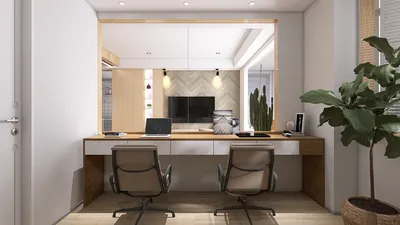


I have designed dining areas within apartments as narrow as 6 feet and in expansive homes featuring ballrooms—success in both instances stems from adhering to strict spatial guidelines. The size recommendations listed below are not arbitrary; they represent comfort dimensions that take into account human reach, chair mobility, circulation pathways, and the effectiveness of lighting. Incorporating tools like Homestyler can assist in visualizing these layouts more effectively.
Empirical evidence supports these comfort thresholds. Research from Steelcase indicates that individuals require about 24 inches of lateral space for chairs to prevent shoulder contact, with 18 inches behind seated diners serving as a practical standard in tighter residential environments. Furthermore, the WELL v2 guidelines suggest a dining task lighting level of 300 to 500 lux to ensure clear visibility without glare, thereby influencing fixture choices and table arrangement. Studies conducted by Gensler reinforce that organized layouts minimize friction and enhance satisfaction—insights that can easily be applied to residential dining scenarios where intuitive circulation is essential. Refer to WELL v2 for additional guidance.
Essential Minimums for Dining Rooms
• For two to four people utilizing a rectangular table, a minimal dimension of 8' x 10' (2.4 x 3.0 m) is recommended. This accommodates a table depth of 30-36 inches, seating on two sides, along with at least 30-36 inches of clearance for easy circulation. Increase dimensions if regular pass-through while seated diners are present is anticipated.
• For six individuals at a rectangular table, a dimension of 9' x 12' (2.7 x 3.7 m) is ideal, supporting a 36-40 inch deep table with four chairs positioned along the longer sides and two at the ends. Ensure a minimum clearance of 36 inches on main pathways.
• Round tables: An ideal round table diameter of 42–48 inches accommodates four people in an 8' x 8' room, provided one side backs against a wall. For more comfortable circulation, aim for an 8' x 10' layout. To seat six, a 54–60 inch diameter typically requires a space of 10' x 12'. Round tables mitigate corner pinch points but require balanced overhead lighting centered directly above the table.
• As a general rule, maintain 36 inches of clearance from the table edge to walls or other furnishings for comfortable movement. In very small spaces, 30 inches may suffice, but ensure at least 18 inches behind a seated chair if others will need to pass.
Table Dimensions That Actually Work
• Table depth of 30 inches is the absolute minimum for place settings; 36 inches provides a more natural feel, especially when serving platters are involved. For family-style meals, a depth of 40 inches is generous yet not overwhelming in compact spaces.
• Per diner width: Aim for 24 inches to comply with ergonomic standards; 21 inches is feasible for infrequent seating. This aligns with the seat pan widths and shoulder measurement data highlighted by Steelcase and Herman Miller.
• Choosing the right table legs and bases: Pedestal bases optimize legroom and suit tighter spaces. Four-legged tables necessitate more corner clearance, so it's best to avoid bulky aprons in limited layouts.
Chairs, Movement, and Human Factors
• Distance for chair pull-back: Allocate 18–24 inches from the table’s edge to enable comfortable sitting and rising. A seat depth of 16–18 inches plus necessary knee and heel space defines this area.
• Armchairs versus side chairs: Armchairs require additional width, making 24 inches per person essential. In contrast, side chairs with lean frames can increase seating capacity without overwhelming the space.
• Traffic flow considerations: Maintain entry points and major pathways at a minimum of 36 inches. If a primary corridor extends behind diners, aim for 42 inches to facilitate effortless movement.
Lighting That Makes Small Rooms Feel Bigger
Lighting shapes spaces significantly, similar to walls. The recommended 300–500 lux at the tabletop per WELL v2 ensures accurate food coloring and comfortable menu reading. Warm-white lighting in the 2700–3000K range enhances evening dining; incorporating a dimming feature allows adjustments to ambiance without compromising visibility. Employ low-glare diffusers or shaded pendants to regulate light intensity, as harsh sources can make spaces feel smaller.
• Pendant sizing: Aim for pendant fixtures to be 1/2 to 2/3 the width of the table when arranging multiple light sources; they should be suspended 30–36 inches above the tabletop. A streamlined linear fixture positioned above a rectangular table can create an anchoring visual line and can give a sense of depth to the room.
• Layering lighting: Combine ambient ceiling washes, a centered pendant, and subdued wall lighting to enhance the sense of depth. The brightness levels should prioritize the table area as the main visual focus.
Color Psychology and Visual Balance
Compact dining areas benefit from mid-tone walls (LRV 50–70) that minimize contrast fatigue while still reflecting adequate light. According to insights from Verywell Mind on color psychology, warm tones promote sociability and appetite; colors such as muted terracotta, olive, and soothing neutrals achieve this without overwhelming the senses. Utilize darker shades on flooring or lower wall areas to ground the table and reduce visual clutter.
Acoustic Comfort in Compact Dining
Compact spaces can amplify sound. To remedy this, incorporate soft finishes that absorb mid-high frequencies, like fabric seating, dense rugs, or textured curtains. For clear conversations, reduce reverberation time by adding sound-absorbing decor such as fabric panels or bookshelves along walls.
Storage, Serving, and the Right Ratios
Install a shallow sideboard (12–16 inches deep) to maintain circulation while offering practical space for dishes and glassware. If you must position storage across from seating, ensure there is a minimum of 36 inches clearance to avoid chair collisions. Vertical storage options, such as open shelving or slender vitrines, provide display space without consuming valuable floor area. In compact environments, maintain a table-to-room ratio around 1:3: If the table footprint measures 3' x 5' (15 sq ft), the corresponding room size should ideally be around 45 sq ft.
Layout Strategies for Tiny Dining Areas
Built-in banquettes can transform wasted wall areas into seating while minimizing clearance requirements behind chairs. A round table with a diameter of 42–48 inches enhances circulation in square rooms; in narrow spaces, consider a rectangular table of dimensions 30 x 60 inches, accompanied by a bench on one side for practicality in tight 8' x 10' layouts. When exploring various configurations, a user-friendly interior layout planner can help simulate chair movement and pathways, making tools like Homestyler exceedingly beneficial.
Materials and Sustainability
Compact design does not equate to disposability. Opt for durable, low-VOC materials and ethically sourced woods. Matte finishes reduce glare and create a sense of tranquility. If using stone, select thinner profiles supported by solid substructures to appear less bulky. Upholstery featuring removable, washable covers can prolong the life of furniture in family dining areas.
Design Moves That Save Inches Without Feeling Tight
• Opt for pedestal or trestle tables to maximize knee space.
• Use armless, compact chairs measuring 21–22 inches in width for increased seating flexibility.
• Position a centered pendant light with a dimming feature, keeping task lux levels around 300–500.
• Utilize a shallow sideboard and wall-mounted shelves rather than deep cabinets.
• Opt for warm mid-tone colors on walls and lighter shades for ceilings to enhance vertical openness.
• Select a low-pile rug that extends around 24 inches beyond the table to accommodate chair movement.
Common Mistakes I See
• Designing with a table that just fits—remember to factor in chair movement in addition to the table's footprint.
• Choosing oversized lighting that obstructs sightlines. It's essential to scale fixtures to the table size rather than the overall room dimensions.
• Positioning deep buffets that congest circulation. Any item exceeding 18 inches in depth should be placed against a wall, away from seated areas.
• Overlooking acoustics. Smaller rooms absolutely benefit from soft finishes more than larger spaces.
FAQ
• What size dining area do I need? Plan for dimensions of 8' x 10', which accommodates a 36-inch-deep table, four chairs, and provides 30–36 inches of clearance on critical sides.
• Which table shape works best for tight spaces? Round tables alleviate corner constrictions and enhance circulation in square rooms, while rectangular tables are well-suited for narrow areas and work effectively with a bench alongside one wall.
• How much clearance is ideal? 18 inches is the minimum for occasional pass-by; 30–36 inches is preferable for comfortable circulation.
• What lighting levels should I aim for? Aim for 300–500 lux at the tabletop per WELL v2 suggestions. Utilize warm-white lighting in the 2700–3000K range and consider dimming for adjusting ambiance.
• How much space should I allow per diner? Aim for 24 inches per person for optimal comfort; 21 inches may be workable for tighter seating arrangements or infrequent use.
• How should I size my rug? Ensure that your rug extends at least 24 inches beyond the table on all sides so that chair legs remain on the rug when pulled out.
• Can I place a sideboard opposite the seating? Yes—ensure it measures 12–16 inches deep and maintain a clearance of 36 inches from the table edge to avoid conflicts with chairs.
• What is the ideal height for pendant lights? Keep pendants suspended 30–36 inches above the tabletop; in spaces with low ceilings, opt for shallow, broad shades to mitigate glare and preserve sightlines.
• How can I improve acoustic comfort? Incorporate fabric seating, a thick rug, and soft window coverings. A single sound-absorbing element such as a fabric-wrapped panel or bookcase can greatly enhance conversation clarity.
• What size is appropriate for a dining table? A 36 x 72-inch rectangular table or a 54–60-inch round table requires a room of approximately 9' x 12' to maintain a comfortable 36 inches of circulation.
• Do armchairs provide more comfort? They enhance comfort but require additional width; it is advisable to stick with armless chairs that measure 21–22 inches wide if your space is limited.
• How can I effectively plan my layout? Use a room layout tool to visualize chair swing, clearances, and lighting placement to confirm proportions and movement areas.
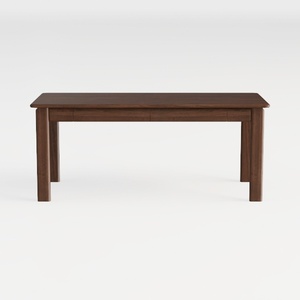

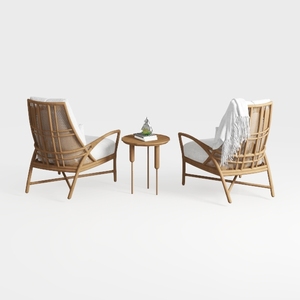
Homestyler is ideal for anyone looking to enhance their interior design skills. With a user-friendly online design tool, stunning 3D renderings, a wealth of inspiring design projects, and helpful video tutorials, you can effortlessly transform your home into a masterpiece, no matter your experience level!
Progetta ora GRATIS
































