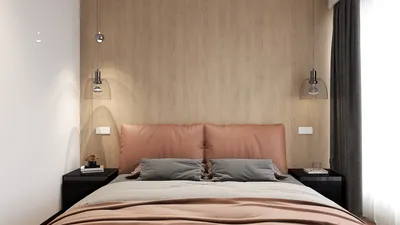


I have created numerous living rooms where the combination of a TV lounge and an L-shaped sofa plays a crucial role in providing comfort, encouraging conversation, and ensuring clear sightlines. The essential strategy is to utilize the L-shaped sofa as a means of defining different zones while also serving as a viewing space. Research from Steelcase indicates that varying postures can greatly enhance comfort and focus in media areas, with furniture that accommodates multiple positions potentially decreasing perceived discomfort by as much as 32%. Furthermore, the WELL v2 standard highlights the importance of managing glare and achieving optimal lighting levels, which typically range from 150 to 300 lux in general living spaces, to mitigate eye strain during screen time. These essential guidelines inform my choices when arranging an L-shaped sofa opposite a television.
In real-world applications, I have observed how the angle of seating can impact social interactions: orienting the shorter leg of the L towards a pathway enhances flow, while positioning it towards the TV strengthens media engagement. Gensler's research indicates that clear visual pathways and accessibility promote increased focus—this translates to home environments where unobstructed passageways to seating and a glare-free view of the screen are essential. For deeper insights into ergonomics related to seating comfort and visual clarity, the Herman Miller research database provides valuable resources regarding seat depth, lumbar support, and viewing angles. This guidance aids in determining the ideal distance: for a 55-inch television, I typically recommend a viewing distance of approximately 6.5 to 9 feet, ensuring that the center of the screen aligns with eye level when seated.
Outline the Geometry Before Designing the Decor
Begin with an assessment of the room's structural elements: measure the lengths of walls, the positioning of windows, and the main circulation paths. The L-shaped sofa should create a leg that subtly directs foot traffic near entrances and another leg that establishes the primary viewing line. In smaller rooms, consider rotating the L to have the shorter chaise face the TV, while maintaining a clearance of at least 30 to 36 inches behind or beside the sofa. If you require quick visual testing and spatial simulations, utilizing a room layout tool like Homestyler can effectively sketch out options and ensure adequate clearances.
Optimize Sightlines and Viewing Height
The most effective screen height positions the center of the TV near seated eye level—generally around 40 to 44 inches from the ground when working with standard sofa heights. The L-shaped setup should ensure at least one primary seat offers a direct viewing angle to the TV; secondary seats might be tilted 15 to 25 degrees to minimize neck strain. In cases where you’re wall-mounting the screen, allow for a 2 to 3-inch cable channel and plan for acoustic insulation from adjacent rooms. The longer leg of the L frequently serves as the 'director's seat' for optimal sightlines; hence, it should be kept free of tall plants or shelves that obstruct the visual pathway.
Regulate Light, Glare, and Reflection from Screens
Achieving balanced ambient lighting of 150 to 300 lux is generally comfortable for most living spaces; nearby task lights at side tables can increase localized levels to between 300 and 500 lux without overwhelming the screen. Implement layered lighting designs: adjustable ceiling fixtures, wall washes to soften brightness, along with a warm color temperature of 2700 to 3000K for evening viewing. Whenever possible, arrange the L-shaped sofa perpendicular to large windows, and employ glare reduction techniques using sheer drapery or top-down shades. For further guidance on lighting standards, the IES is a reliable reference.
Optimize Acoustics for Clear Conversations
Sound quality often influences perceived visual experience more than screen resolution for many viewers. Incorporate soft materials around the L-shaped sofa: a plush area rug beneath the seating, fabric-covered ottomans, and upholstered items opposite the TV can help diffuse sound reflections. Steer clear of hard, flat surfaces aligned directly with the main viewing line; bookshelves with varied depths on the sidewall can serve as effective sound diffusers. If your L is positioned close to a corner, installation of absorptive panels or heavy curtains on the adjacent wall can help manage bass frequencies.
Understanding Color Psychology and Mood Influences
Colors such as soft blues and muted greens evoke calmness, whereas deeper earth tones add intimacy—perfect for a TV lounge environment. For a lively touch that avoids glare, consider using muted saffron or russet throw pillows against a neutral background (think warm gray or taupe) to ensure the screen remains the centerpiece. According to insights from Verywell Mind, cooler shades can lower arousal levels, ultimately reducing eye fatigue during lengthy viewing periods. It is also beneficial to integrate tactile textures—like bouclé, chenille, or linen—to make the space inviting and sustain comfort.
Human Factors: Seat Depth, Angles, and Adaptability
An L-shaped sofa excels when its components allow for multiple seating postures. A standard seat depth of 20 to 22 inches suits most adults; incorporating a chaise can enhance reclined viewing options. Consider adding adjustable headrests or varying back cushion options so that different users can personalize neck support. Ensure side tables remain within a reach of 16 to 20 inches from the seated position for drinks and devices, allowing for uninterrupted viewing. Maintain an 18-inch distance between the coffee table and the sofa edge to ensure ample legroom.
Establish Balanced Ratios and Visual Harmony
The proportions of the sofa in relation to the TV are crucial. An L-shaped sofa with an overall width between 2 to 2.5 times the width of the TV typically creates a harmonious layout. Arrange the TV wall in a vertically aligned manner—placing the media console at heights of 20 to 24 inches, and ensuring speakers are at ear level when seated, complimented with a horizontal art line to soften the technological presence. The L-shaped sofa acts as a visual anchor; replicate its geometry with a rectangular rug that accounts for 60 to 70% of the seating area, layering it with a round table to enhance the aesthetic rhythm.
Ensure Smooth Traffic Flow
Designate main pathways with a minimum of 36 inches. If you must navigate between the TV and the L-shaped sofa, slightly adjust the sofa backward and angle the chaise towards an alternative direction to avoid obscuring the screen. Refrain from placing the sofa’s corner in front of a doorway; instead, reposition it so that the open side faces the entrance. When working with constrained spaces or multiple scenarios, a layout planner like Homestyler can expedite your design process to quickly assess sightlines, seating capacity, and spacing.
Materials, Upkeep, and Sustainability
Select durable fabrics with a rating of 30,000 or more double rubs for longevity and stain resistance. For homes with children or pets, removable cushion covers and darker base materials contrasted with lighter accents can help conceal wear. Choose frames crafted from FSC-certified wood, use recycled materials for filling, and incorporate Greenguard-certified foam to lower VOCs and enhance indoor air quality. A wool-blend area rug can assist with sound absorption and humidity control. Owners should opt for matte finishes around the TV to limit reflections while reserving gloss finishes for accent pieces away from the screen.
Create Lighting Scenes for Daily Usage
Establish three distinct lighting settings: for pre-viewing, aim for ambient lighting between 250 and 300 lux at a warm 3000K, with wall washing in effect; during viewing, adjust to dim lighting of 100 to 150 lux with task lights turned off, optionally using bias lighting behind the TV; and for post-viewing, set to 200 to 250 lux, incorporating a blend of table lamps and ceiling fixtures. Bias lighting, or soft lighting behind the screen, helps alleviate the perception of contrast and minimizes eye strain. Ensure dimmers are accessible at the main entry and near the sofa’s end to allow users quick adjustments without needing to cross the space.
Maximize Functionality in Small Rooms
In smaller lounges, opt for an L-shaped sofa featuring a slender arm profile and elevated legs to enhance visual lightness. Position the sofa approximately 4 to 6 inches away from the wall when feasible to prevent sound interference and ensure drapery clearance. Utilize nesting tables and a wall-mounted media console to conserve floor space. A reversible chaise could offer flexibility to adapt to your lifestyle—facilitating both weeknight binge-watching and weekend gatherings.
Common Placement Templates I Frequently Employ
Template A: TV set against the long wall, the L parallel with the chaise tilted 15 degrees toward a window—optimal for balanced light and casual interactions. Template B: TV placed within a niche, L floating with 36 inches behind for circulation, centered rug beneath the long leg—ideal for open concepts. Template C: For corner TVs, position the L to wrap the corner with the shorter leg directed towards pathways—perfect for challenging configurations where a straight-on view isn't feasible. A tool for layout simulation, such as Homestyler, can quickly facilitate testing these configurations using your precise measurements.
Frequently Asked Questions
I generally target a distance of about 6.5 to 9 feet. This range helps maintain comfortable viewing while reducing eye fatigue while ensuring that conversations remain intelligible.
Maintain ambient light around 150 to 300 lux and implement warm lamps in the 2700 to 3000K range. Dim lights during viewing, and avoid downward lighting on the screen to prevent glare.
Position the L-shaped sofa so it is perpendicular to large windows, utilize sheer or top-down shades, and choose matte finishes for surfaces nearby to minimize reflections.
While not essential, it contributes to posture variety which enhances comfort during extended viewing time. Additionally, it helps define the room’s spaces, signaling a relaxed area within the seating.
Aim for coverage of 60 to 70% of the seating area. Ensure that the front legs of the sofa are firmly placed on the rug to stabilize the visual composition and improve acoustics.
Keep the minimum width for main pathways at 36 inches and at least 30 inches for secondary paths. This helps minimize interruptions during viewing while protecting sightlines.
Utilize soft blues, muted greens, or warm neutral tones. Layer with textured fabrics to maintain an engaging palette without excessive visual clutter.
Position the screen so that it aligns closely with seated eye level, generally around 40 to 44 inches from the ground, to reduce neck strain and enhance overall comfort over time.
Incorporate a thick area rug, upholstered pieces opposite the TV, and shelves with varying depths to diffuse sound reflections. Heavy drapes in corners can help manage low frequencies.
Select durable performance fabrics rated for 30,000 double rubs or more, utilize FSC-certified frames, and ensure that cushion covers are removable. A darker base fabric can help mask signs of wear.
Indeed, ensure at least 36 inches of circulation around it, secure it with a rug, and consider a slim console behind the sofa for storage and to manage cables effectively.
Utilize an interior layout planner to visualize dimensions, sightlines, and traffic routes. Experiment with TV heights and seating angles prior to making final decisions.
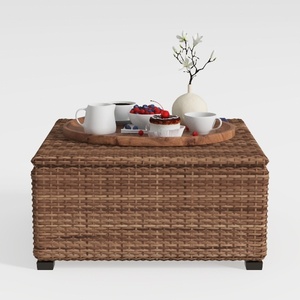

CLIPOP Walnut Nightstands Set of 2, 21.6” Bedside
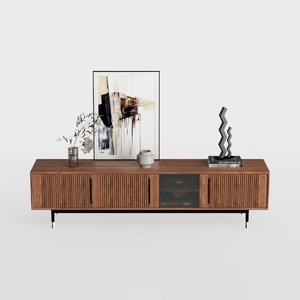
Modern Minimalist Walnut Fluted Door TV Cabinet 3D Model

Minimalist Solid Wood Linen Fabric Extra Long Sofa 3D Model
Looking to design your dream home with ease? Homestyler is your go-to online platform! Enjoy user-friendly design tools, stunning 3D renderings, engaging design projects, and helpful video tutorials. Unleash your creativity and turn your vision into reality effortlessly!
تصميم الآن مجانا
































