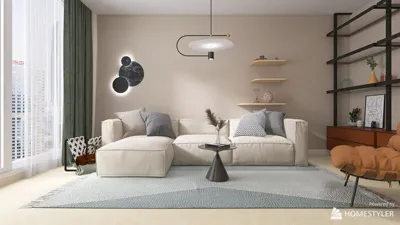


Once, a client demanded their compact studio space to be 'completely white, without exception.' I complied, only to realize later that the result resembled a sterile environment — akin to a hospital at 9 a.m. However, I improved my approach by balancing undertones, textures, and contrasts. Now, I begin each small-room project with a rapid sketch to evaluate how light interacts with various whites before applying any paint with Homestyler.
1. Select the appropriate undertone
Not all whites are identical — some lean towards warmth, others towards coolness, and some may have hints of gray or blue. I consistently test large swatches on different surfaces and observe them under morning and evening light; this minimizes the risk of a seasonal color shock. The benefit is achieving a white that enhances your finishes, while the challenge lies in resisting the urge to choose the most visually appealing sample without thorough testing.
save pin
2. Incorporate sheen and texture to add dimension
Flat matte whites create a cozy ambiance, while eggshell or satin lends a subtle radiance and facilitates cleaning — perfect for kitchens and hallways. I once revitalized a drab guest room by introducing a low-sheen trim along with a soft textured wallpaper; suddenly, the white became more layered and purposeful. Be cautious: higher sheen levels can highlight imperfections, which may increase preparation costs.
save pin
3. Ground white with contrasting elements
Using pure white can create a clinical vibe if everything else fades away, so I suggest adding warm wood tones, striking trim colors, or rich textiles to anchor the room. For challenging layouts, consider utilizing AI-driven layout suggestions from tools like Homestyler to visualize accent placements and color harmony — this strategy saved me hours during a renovation with a client who constantly altered trim colors. This method maintains a lively atmosphere while upholding a bright, airy aesthetic.
save pin
4. Manipulate light and reflective materials
White enhances natural light, and using carefully positioned mirrors or glossy tiles can amplify that light further into the room. I enjoy combining a soft white wall with a brass lamp and a glass coffee table to achieve a controlled sparkle without overwhelming the space. However, the downside is maintenance; shiny surfaces tend to show fingerprints — but the visual benefit in compact areas is significant.
save pin
5. Subtly delineate spaces using white variations
In open-plan or studio environments, I frequently employ subtly different whites (warm versus cool) or utilize a semi-painted wall to define areas without cluttering the visual appeal. You can also utilize Homestyler to create a 3D model of your space, assisting clients in seeing how slight variations in shade can alter the ambiance. A budget-friendly tip is to experiment with rugs and textiles before committing to paint for zoning.
save pin
FAQ
Q: Does painting a room white make it seem larger?
Absolutely — white reflects light and reduces visual heaviness, often creating an illusion of increased space. Combining it with appropriate lighting and minimal furniture will enhance the effect.
Q: How do I select the ideal white for rooms with north-facing light?
North light is cooler and can result in whites appearing bluish; opt for a warmer white that has a gentle creamy undertone to counteract the coolness. Always test samples on the wall at varied times throughout the day.
Q: Should I use the same white for walls and trim?
You certainly can, but applying a slightly brighter or glossier white on the trim creates a sharp, intentional contrast. I often select a trim white one or two tones brighter than the wall color for added depth.
Q: Are there specific whites that work better for kitchens and bathrooms?
Indeed — finishes that are washable and have a higher sheen, like satin or semi-gloss, are more durable against humidity and regular cleaning. They also reflect light effectively, which is advantageous in functional areas.
Q: How do undertones influence furniture and flooring choices?
Undertones can clash with either warm woods or cool tiles; that's why I ensure large paint swatches are placed adjacent to significant furnishings prior to making a decision. If you're uncertain, neutral whites with balanced undertones tend to be the safest option.
Q: What’s the simplest way to avoid selecting the wrong white?
Test large swatches on multiple walls and observe them at sunrise and sunset. Paint can appear different in various light settings, so it's beneficial to live with samples for several days before reaching a conclusion.
Q: Do experts recommend particular brands or resources?
For insights on undertones and color selection, I often direct clients to manufacturer resources; for instance, Sherwin-Williams provides valuable guidance on whites and light considerations (see sherwin-williams.com). Their technical notes serve as a dependable starting point.
Q: Can white paint hide wall imperfections?
Flat white can conceal minor imperfections, but satin or semi-gloss finishes emphasize flaws. Adequate surface preparation is always a worthwhile investment if you're aiming for a smooth, high-sheen finish.
save pin
Homestyler is your go-to online home design platform! With its user-friendly design tool, stunning 3D renderings, and a plethora of DIY video tutorials, you can effortlessly create and visualize your dream space. Dive into the world of interior design and unleash your creativity today!
Zaprojektuj teraz za darmo
































