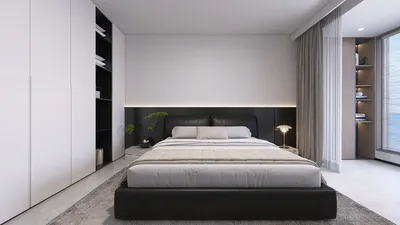


One memorable afternoon, I devoted my time to persuading a client that white walls could transcend the clinical aesthetic she feared. Her desire was for a ‘soft, lived-in brightness’ devoid of any sheen. I provided sketches and a quick rendering to illustrate my concept of a clean canvas, allowing her to envision the atmosphere before we began applying paint. These clean canvas moments are precisely what fuels my passion for working with white flat interior paint, especially using tools like Homestyler which aid in visualizing designs.
1. Layer with warm undertones
Not all white paints are created equal; I typically opt for shades that include a hint of warm undertones in living rooms. This choice helps ensure that a flat finish remains inviting rather than cold. The benefit is having a cozy, timeless setting, whereas the challenge lies in harmonizing trim and furnishings. I tackle this by experimenting with swatches under varying daylight conditions.
2. Use flat paint as a matte backdrop
Employing flat paint effectively conceals minor wall imperfections and imparts a contemporary, gallery-like ambiance—ideal for smaller spaces where tranquility and focus are paramount. Unlike shinier finishes such as silk or satin, flat paint diminishes light reflection, thus softening illumination and ensuring a consistent backdrop. However, it might pose challenges when cleaning in high-traffic areas.
save pin
3. Play with texture and finish
A successful technique I frequently implement involves contrasting flat-painted walls with nuanced textures—whether it’s plaster, linen wallpaper, or satin-finished ceilings—to introduce depth without relying on color. For those hesitant about making choices, utilizing mockups or digital planning through platforms like Homestyler can reveal how light and texture interplay, encouraging experimentation with sheen to strike a balance between durability and ambiance.
save pin
4. Define zones with subtle contrast
In studio apartments and compact spaces, I often opt to paint an alcove, a window seat, or shelves with a discreetly different shade of white. This technique helps delineate spaces effectively while maintaining an overall calm feel. It’s essential to sample carefully to ensure that the contrast feels intentional and thoughtfully planned.
save pin
5. Brighten functional areas strategically
In kitchens and bathrooms, I typically advocate for keeping most walls a flat white to ensure continuity, while opting for more resilient finishes or washable trim for frequently used surfaces. Combining a flat wall with a practical, easy-to-clean backsplash preserves both aesthetics and functionality. By thoughtfully laying out these zones with a strategic kitchen design in mind, you can save time and prevent future repainting headaches.
save pin
FAQ
Q: Is flat interior paint suitable for small rooms? Flat paint can indeed be advantageous in small rooms, as it minimizes glare and creates a cohesive backdrop that instills calmness. The secret lies in selecting the right undertone and pairing it with reflective accents to circumvent a monotonous appearance.
Q: How can I prevent flat paint from appearing dull? Incorporate textures, detailed trim, and layered lighting to create visual movement throughout the room. Accessories like rugs, cushions, and metallic or wooden accents can instantly elevate a space that has been flat-painted.
Q: Is flat paint practical for kitchens and bathrooms? It's feasible to use flat paint on the walls in these regions, but it’s advisable to safeguard high-contact areas with tiles, washable panels, or more durable finishes on trims. Consider the need for ventilation and splash zones to extend the life of the finish.
Q: How should I choose the right shade of white? Test samples on various walls and observe them under different lighting conditions; don’t forget to consider your fabrics and wood tones to gauge how they interact. I always suggest using 3–5 large swatches instead of tiny chips for a better sense of the color.
Q: Is flat paint washable? Generally speaking, flat paints are less resistant to scrubbing compared to eggshell or satin finishes. Major manufacturers like Sherwin-Williams indicate that flat finishes usually exhibit lower scrub resistance, so select higher-performance formulations for busy spaces.
Q: Does white flat paint show dirt easily? Light stains can indeed be visible, particularly near handles and corners, yet choosing the appropriate sheen and applying targeted washable treatments on high-contact areas can reduce the appearance of wear. Regular gentle cleaning is essential to maintain the look without compromising the finish.
Q: What is the cost to update white walls? Repainting with the same color is generally less expensive than changing shades, as touch-ups blend more effortlessly; costs will vary depending on preparation work—repairs can increase expenses. I always allocate a small contingency for patching and primer.
Q: Any quick expert tips for applying flat paint? Use a quality roller to achieve a seamless application, work in consistent lighting, and apply primer when covering repaired areas or patched walls. I also suggest testing one wall at full height before committing to painting the entire room.
save pin
Homestyler is your go-to online home design platform! With its user-friendly design tool, stunning 3D renderings, and a wealth of inspiring design projects and video tutorials, you can easily transform your home into a masterpiece—no design experience needed!
Desain sekarang Gratis
































