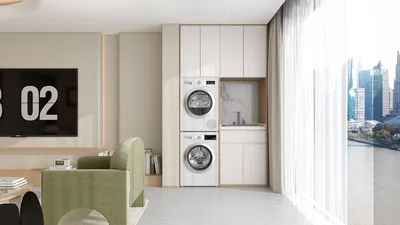


I once found myself on the verge of painting an entire apartment the same beige hue because a client simply said, "just make it warm." However, I paused, grabbed my color swatches, and realized the key lies in how you layer beige — combined with the ability to visualize in 3D before applying paint. Small spaces can indeed inspire immense creativity when beige is thoughtfully utilized.
1. Pair warm beige with vibrant trims
Applying a warm beige on walls complemented by a bright white or very pale cream on the trim can create an illusion of higher ceilings and highlighted details. This approach is low-risk and cost-effective, but it's crucial to monitor undertones: some warm beiges might lean toward peach, while others might hint at mustard, so it's advisable to test large samples in both morning and evening light.
save pin
2. Introduce layered textures to prevent flatness
Beige can appear flat if every surface is matte and smooth. To counter this, I incorporate textured rugs, woven baskets, and a combination of matte and satin finishes on walls or furniture to establish depth. This method results in a tranquil, tactile ambiance that maintains a neutral yet versatile feel.
save pin
3. Use richer colors as accents—even in compact kitchens
In smaller kitchens, a beige foundation keeps the space looking open, while deeper accents—like olive, navy, or terracotta—inject personality. For clients hesitant about bold decisions, I present them with mood boards and practical kitchen layout ideas using tools like Homestyler to visualize how an accent integrates with cabinets, countertops, and lighting. This method allows them to embrace boldness without committing to a full repaint.
save pin
4. Matte walls with washable trims
I frequently suggest a matte eggshell finish for walls alongside a more washable satin for trims and areas subject to contact. This combination preserves the soothing vibe of beige while ensuring ease of maintenance—ideal for families and renters. One trade-off is that satin finishes can reveal brush lines more prominently, so employing a skilled painter or a high-quality roller is recommended.
save pin
5. Define zones using tonal variations instead of wallpaper
In compact apartments, I opt for slightly different shades of beige to delineate spaces—a cooler beige for work areas and a warmer beige for living spaces. This approach is more cost-effective than wallpaper and offers a cleaner visual outcome; for those wanting to visualize plans first, I can sketch ideas so clients can create rapid floor layouts and experiment with tone placements. The main challenge is to keep these shifts subtle, as excessive variation can appear patchy.
save pin
FAQ
Q1: What is the most versatile beige for interior spaces?
A: A beige that balances warm and cool undertones is the most flexible choice. Seek out samples under varying lights and steer clear of extremes that appear too pink or yellow.
Q2: Can beige actually make a small room feel larger?
A: Indeed—when paired with lighter trims and reflective finishes, beige can enhance sightlines and create an airier feel. Utilizing consistent floor tones amplifies this effect.
Q3: What sheen is ideal for beige walls?
A: Eggshell or matte is commonly recommended for living areas as it conceals imperfections while maintaining color depth. Meanwhile, satin is a better option for kitchens and bathrooms due to its washability.
Q4: How can I test beige before making a final decision?
A: Paint 2–3 large swatches on various walls and observe them under morning and evening light for several days. Small samples often fail to capture true undertones as effectively as larger swatches.
Q5: Are there professional guidelines for different finishes?
A: Yes—manufacturers like Sherwin-Williams offer specific recommendations regarding finishes; for instance, they typically suggest eggshell for living spaces and satin for areas subjected to higher traffic (see Sherwin-Williams guidance at https://www.sherwin-williams.com/).
Q6: Which furniture colors complement beige most effectively?
A: Dark woods, charcoal, navy, and even muted greens pair beautifully with beige. Given that beige serves as a neutral canvas, choose one more vibrant color to ground the room.
Q7: Is beige considered outdated?
A: Not at all. Beige has evolved into numerous contemporary shades—like greige, warm sand, and creamy taupes—that feel fresh when combined with modern textures and lighting.
Q8: Any tips to repaint with beige on a budget?
A: Focus on repainting only accent walls or trims to achieve a fresh look without overspending, and utilize high-quality primer to minimize the number of coats required. Testing large areas beforehand can help to avoid costly blunders.
save pin
Homestyler is your go-to online home design platform! With its user-friendly design tool, stunning 3D renderings, and a wealth of DIY video tutorials, you can easily create and visualize your dream spaces. Perfect for both beginners and seasoned designers alike!
Projete agora para LIVRE
































