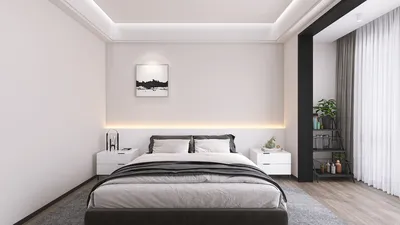


When it comes to wall texture, I see it not just as a finishing touch, but as a vital element for managing light, sound, and the overall ambiance of a space. The right texture can effectively diffuse harsh glare, enhance visual appeal, and contribute positively to the perception of a room over time. In practice, I carefully consider lighting conditions, use texture patterns to direct the eyes, and opt for durable materials that withstand everyday use while leveraging tools like Homestyler for layout planning.
Examining the Influence of Lighting, Glare, and Texture
The interaction between texture and light is critical. According to recommendations from the IES for interior lighting, general living spaces thrive with illumination levels around 150–300 lux, while more focused areas require up to 500 lux. Within these parameters, microtextures play a significant role in mitigating glare and minimizing hotspots. The WELL v2 standards further emphasize the importance of visual comfort through luminance control. Personally, I've discovered that subtler textures (such as Level 3–4 drywall, low-sheen plaster, and fine sand finishes) help manage contrast without reducing brightness within a room. In tighter spaces with concentrated light sources, it’s best to avoid high-gloss surfaces that reflect fixtures; instead, I recommend eggshell or matte finishes with a hint of texture to scatter light effectively.
The Intersection of Color Psychology and Texture
Color undeniably influences mood, but it is texture that refines our perception of color. Soft, warm neutrals—like sandy beige, camel, and oats—when combined with a gentle, limewash-like texture, create a tranquil atmosphere without feeling monotonous. According to research on color psychology from Verywell Mind, shades of blue evoke feelings of stability and focus; therefore, a layered, brushed blue finish in home offices can significantly enhance concentration, particularly under continuous task lighting of 300–500 lux. In energizing environments like kitchens or playrooms, incorporating a delicate stipple or combed texture in vibrant citrus or terracotta colors can introduce movement without overwhelming the senses. If designing a focal wall, consider a deeper texture paired with muted colors—if the hue stands out boldly, keep the texture simpler to maintain balance.
Setting a Spatial Intention and Visual Flow
It’s essential for texture to guide movement within a space. In communal areas, utilizing a textured feature wall can help anchor seating arrangements and minimize visual distractions. In elongated hallways, employing vertical or lightly striated textures suggests rhythm and helps visually compress the distance. Striking a balance with solid and textured surfaces is vital—typically, one accent wall per room suffices, with neighboring walls remaining smooth for clarity. When thinking about furniture arrangements and traffic flow, testing sightlines and focal points using an interior layout tool like Homestyler can prove beneficial in visualizing how texture will appear from key perspectives.
Enhancing Acoustic Comfort: Reducing Echo and Flutter
Hard, glossy surfaces can reflect sound, while textured and porous materials can absorb and diffuse it. In spaces designed for media viewing or within open-plan living areas, a limewash or clay plaster with a micro-rough surface can dampen flutter echo—especially when complemented with soft textiles. Research from Steelcase advocates that acoustic comfort is closely linked to the ability to focus; although walls alone cannot substitute for ceiling treatments and soft furnishings, they certainly contribute to an overall pleasant auditory environment. Placing textured walls opposite reflective elements (such as windows and large art pieces) helps to effectively manage sound reflections.
Choosing the Right Materials: From Plaster to Panels
Opting for plaster and limewash offers breathable, matte finishes that play beautifully with light, ideal for achieving subtle texture and adding historical richness. Clay-based finishes are eco-friendly, allowing vapor diffusion and sound absorption. Architectural wall panels—featuring ribbed, slatted, or fluted designs—create intriguing shadows and visual rhythms; wherever feasible, choose FSC-certified wood or recycled materials. For modern spaces, think about troweled cementitious coatings that are tactile and resilient in high-traffic areas; just be sure to apply a thoughtful sealant to prevent excessive shine. Textured wallpaper options like grasscloth, woven vinyl, or embossed papers can quickly enhance depth; always check for cleanability, especially in dining areas or spaces frequented by children.
Commitment to Sustainability and Maintenance
The performance of materials extends well beyond installation. Lime and clay plasters contain minimal synthetic binders, enhance vapor diffusion, and can be easily spot-repaired without uneven gloss. When selecting wall panels, it’s wise to choose low-VOC finishes and consider modular designs for future repairs. Research from Herman Miller links environmental quality with wellbeing; I integrate this principle at home by opting for textures with low off-gassing and finishes that repel dust accumulation. For frequently touched walls, it's best to select washable matte paints featuring fine aggregates, ensuring low glare and increased durability.
Considering Human Factors: Texture, Cleanability, and Safety
Spaces frequently used by humans—such as stairwells, children's areas, and entryways—require textures that are both pleasing to touch and easy to clean. It’s prudent to avoid sharp, heavily embossed textures at hand-level; instead, opt for rounded forms or soft stippling. For elderly or visually impaired individuals, high-contrast, glossy finishes may cause glare issues; therefore, it’s advisable to prefer matte textures with clear color distinctions around openings and switches to enhance visibility.
Combining Texture with Light Temperature
The way we perceive texture alters with the color temperature of light. Warm lighting at 2700–3000K brings out the cozy and layered qualities of limewash and plaster techniques; neutral lighting at 3500–4000K gives a crisp, architectural feel to ribbed panels and concrete textures. It’s vital to maintain consistency in correlated color temperature across different fixtures within one space, and testing material samples under actual lighting conditions—both in daylight and evening light—is essential before final decisions.
Trending Textures for 2024–2025
Current trends highlight the appeal of subtle, easily repairable textures over bold statement walls; lime and clay plasters are favored for their breathable qualities; fluted and slatted panels in sustainably sourced woods are increasingly popular; layered, brushed finishes in calming blues and warm neutrals are in demand; and there’s a noticeable rise in hybrid wall designs that pair textured lower bands with smooth upper sections for ease of maintenance. The overarching theme involves tactile elements that harmonize with natural light and sound, enhancing the overall experience without overwhelming the space.
Helpful Planning and Installation Tips
To effectively assess shadow and reflectance, it's advisable to create mock-ups of large samples, at least 2×2 ft, on-site. Aligning textures with existing trim and reference lines will avoid visual chaos. In areas where durability is paramount without inviting glare, low-sheen topcoats should be utilized. If you're rearranging seating or task areas, previewing your new setup with an interior layout planner like Homestyler can help ensure that textured walls are strategically placed within optimal sightlines.
Further Reading and References
For insights on visual comfort and lighting benchmarks, review the IES lighting standards and WELL v2 guidelines that address luminance contrast and glare mitigation. Both resources provide data-driven criteria for selecting appropriate sheen and texture harmonizing with ambient and task lighting.
Frequently Asked Questions
Opt for matte, fine-grain textures such as limewash or Level 4 drywall coated with eggshell paint. These options diffuse direct sunlight and minimize glaring hotspots without compromising the room's brightness.
When employing a bold color, it's advisable to keep the texture subtle—consider smooth plaster with a delicate brush finish. Conversely, if the color is softer, introducing a more pronounced texture can add depth without chaos.
While these textures can help, it's beneficial to combine them with rugs, upholstered furnishings, and acoustic curtains. Textured surfaces primarily scatter reflections, while soft materials work to absorb them.
Typically, living spaces perform optimally at 150–300 lux, while task areas should target around 300–500 lux. Adjusting sheen and texture accordingly will help control glare.
Absolutely, when applied correctly. They’re breathable, have a low sheen, and can be spot-repaired easily. For high-traffic zones, adding a compatible matte sealer may be beneficial.
Embossed vinyl offers superior cleanability compared to natural grasscloth. If durability is a priority, opt for washable, low-sheen finishes or woven vinyl materials.
These design elements enhance rhythm and shadow, visually elevate walls, and can help to subtly disrupt echoes. Aim to use sustainably sourced materials for a lighter ecological footprint.
Warm light at 2700–3000K enhances the inviting, layered effects of finishes, while neutral lighting at 3500–4000K sharpens the look of architectural textures. Ensure consistent color temperature across all light sources.
No, usually one feature wall will suffice. Balance textured surfaces with smooth adjacent planes to maintain visual clarity and prevent fatigue.
Create large on-site samples and assess them in varying light—morning, afternoon, and evening—to fully understand their effect. Photograph the samples under actual fixtures to gauge glare and shadow accurately.
Originally incubated at Autodesk, Homestyler has grown into one of the most widely adopted home design platforms in the world, now trusted by over 18 million users. Whether you're a homeowner exploring ideas or a professional designer delivering client-ready renders, Homestyler brings industry-leading 3D technology to your fingertips — no experience required.

Minimalist Tan Leather Sectional Sofa 3D Model


Modern Japandi Solid Wood Rattan Coffee Table 3D Model

Cute Cartoon Rabbit Shaped Side Table with Built in Lamp 3D Model
Homestyler is your go-to online home design platform! With its user-friendly design tool, stunning 3D rendering features, and an extensive collection of inspiring projects and DIY video tutorials, it empowers you to create your dream space effortlessly. Transform your home with ease today!
Design Now for FREE
































