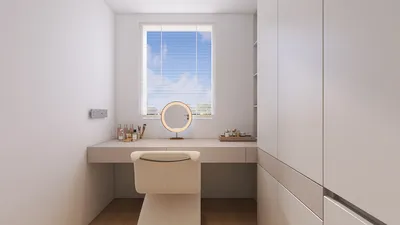


Once, I found myself in a quaint studio where the homeowner wished for a factory-smooth wall finish completed over the weekend. Armed with a brush, while they had a spray gun, I learned a valuable lesson about the significance of preparation and masking — and discovered a new favorite technique. Small spaces can inspire immense creativity, and utilizing a spray gun to paint walls is one method that can transform a cramped area into a seamless, customized experience. I frequently complement this finish with straightforward trim modifications to enhance the overall aesthetic.
1. Utilize the spray gun to minimize surface imperfections
Using a spray gun on older plaster or textured walls is something I truly enjoy — a fine mist can quickly even out micro-bumps more effectively than a roller. The benefits include increased speed and an exceptionally smooth look, while the downside is that you need to skim or prime any significantly damaged areas first, or the flaws may become more pronounced in the final finish.
save pin
2. Effective masking saves time
Though it may seem tedious, establishing a reliable tape-and-paper method can save you hours in the long run. I recommend using low-tack painter's tape, drop cloths, and a systematic approach: tape the trim, cover the furniture, and then tape again — yes, it may feel like extra work, but it prevents the hassle of overspray and redoing.
save pin
3. Adjust nozzle and pressure based on room size
For smaller rooms, I reduce the pressure and opt for a narrower fan pattern to ensure the paint reaches the intended surfaces rather than drifting into the hallway. If you enjoy testing finishes, consider visualizing your paint options with a small sample panel; this allows you to see how the finish looks in varying lighting conditions, helping to avoid costly color mistakes.
save pin
4. Proper thinning and technique practice are key
A common error among beginners is using paint straight from the can — it’s essential to thin it according to the manufacturer's specifications for your specific spray gun model. Thinning the paint enhances atomization and minimizes drips, but remember that different guns require different approaches, so practicing on cardboard can help you refine your technique, speed, and overlap.
save pin
5. Enhancing the flow: sanding and cleanup between coats
Walls painted with a spray gun benefit from a light sanding between coats to achieve that professional finish; I prefer a fine-grit sanding pad followed by a tack cloth to eliminate dust. Cleanup is also an important aspect — using a good solvent and storing your equipment correctly ensures longevity, and if you seek professional results quickly, realistic painted room renders can assist clients in visualizing their options before we expedite the project using tools like Homestyler.
save pin
FAQ
Q1: Does using a spray gun make painting walls faster than rolling? A1: Generally, yes — for larger, unobstructed walls, a spray gun covers more area in a shorter time. However, preparation and masking can take additional time, so the overall efficiency depends on the complexity of the room.
Q2: What safety equipment should I use? A2: It’s essential to have a respirator rated for paint vapors, eye protection, and ensure proper ventilation. For solvent-based paints, I recommend a cartridge respirator equipped with organic vapor cartridges.
Q3: Can any paint be used with a spray gun? A3: Not necessarily — some paints need to be thinned, and high-viscosity formulations may not be compatible with various gun types. Always refer to the manufacturer's guidelines for both the paint and your spray gun model.
Q4: How can I avoid an orange peel texture? A4: Adjusting the pressure, moving faster for flatter coats, and ensuring proper thinning are key. Consistent overlap (around 50%) and practice are essential fixes I regularly use in every project.
Q5: Are spray guns suitable for small apartments? A5: Yes! They perform excellently in compact spaces, provided you prioritize proper masking and ventilation, delivering a high-end finish that can elevate a simple apartment to feel more bespoke.
Q6: What should I know about VOCs and indoor air quality? A6: It’s advisable to use low-VOC or water-based latex paints whenever feasible, and ensure good ventilation. For detailed information regarding indoor air risks and their mitigation, refer to the U.S. EPA's guidelines on indoor air quality (EPA: https://www.epa.gov/indoor-air-quality-iaq).
Q7: What budget should I plan for a professional spray finish? A7: Be prepared for higher initial expenses compared to rolling due to equipment and preparation time, but the savings in application time and the superior finish often justify the investment. I typically provide clients with a clear breakdown of preparation versus finish to avoid surprises.
Q8: Any quick advice for beginners? A8: Start with a small practice wall, invest in quality masking materials, and remember to thin paint to specifications. If uncertain, test a panel in the actual room lighting before committing to the entire area.
save pin
Homestyler is the ultimate online home design platform for anyone looking to transform their space. With its user-friendly design tool, stunning 3D renderings, and a wealth of design projects and DIY video tutorials, bringing your creative vision to life has never been easier!
Design Now for FREE
































