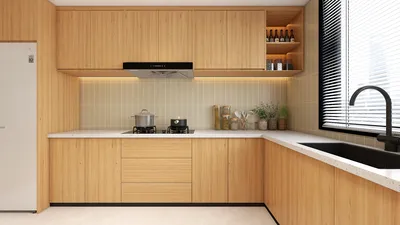


Achieving perfectly smooth walls requires meticulous preparation, proper putty composition, and a keen awareness of light, color, and texture. In my work, I see wall putty not just as a technical measure but as a canvas for visual expression—an incorrect base will amplify any imperfections in the final finish.
The quality of surfaces significantly affects aesthetic appeal and productivity levels. According to research from Gensler, 89% of employees consider their physical environment crucial to job satisfaction, with visual comfort being a key factor (gensler.com/research). In terms of health, WELL v2 promotes the use of low-emitting materials and appropriate surface treatments to minimize VOCs and particles that can arise from damaged substrates (wellcertified.com). When choosing putty and paint, I prioritize low-VOC specifications and ensure emission certifications to safeguard indoor air quality.
Lighting can either reveal or obscure imperfections. IES suggests a balance of illuminance and glare control; uneven putty application will show readily under direct light from windows or spotlights (ies.org/standards). The psychology of color is also important: muted, neutral colors typically foster tranquility in environments, but flat finishes can accentuate flaws unless the substrate is adequately prepared (verywellmind.com/color-psychology). In summary, the flatness of the substrate, controlled sheen, and appropriate lighting work hand in hand.
Exploring Different Types of Wall Putty
Not all putties are the same. I choose the type of putty based on the substrate conditions, moisture levels, and the desired final appearance:
The hardness and flexibility of the putty must align with the substrate material. Using hard putty on flexible gypsum can lead to cracking, while overly soft putty on rigid surfaces can cause dents. Ensuring compatibility helps minimize rework and callbacks.
Crucial Steps for Substrate Preparation
Before applying putty, I have a preparation checklist:
Thorough preparation is vital to avoid common issues like delamination, pinholes, and visible joints.
Application Technique for a Perfect Finish
I apply putty in thin, controlled layers:
In areas where the layout dictates sightlines—like long hallways or walls that are focal points—I use a layout visualization tool to assess light paths and glare before finalizing finishes: room design visualization tool.
The Impact of Light, Glare, and Finish Sheen
An effective lighting strategy is essential. High vertical lighting highlights texture; softer, diffused lighting creates a calming effect. I work in conjunction with the lighting design: using sheer blinds to soften daylight while avoiding narrow-beam downlights unless the finish is flawless. The choice of paint sheen is also important: eggshell and matte can conceal micro-texture, while satin and semi-gloss can accentuate it. The sheen should correspond with the putty quality: a Level 5 skim (ideal smoothness) can handle higher sheens, whereas Levels 3-4 should utilize matte finishes.
Understanding Color Psychology and Its Effect on Surface Perception
Cool and pale colors may expose surface flaws under strong lighting, while warm neutrals often appear more forgiving. Bright accent colors should be reserved for surfaces that have excellent substrate preparation. In areas aimed for relaxation, such as bedrooms, soothing neutrals enhance the feeling of calmness, but precautions must be taken to avoid mark lines; consistent porosity achieved through a quality primer is crucial for uniform color results.
Acoustics and Material Selection
Smooth and hard surfaces reflect sound. In echo-prone areas, I combine high-quality putty finishes with acoustic enhancements like textile panels, rugs, and soft-upholstered furniture. This approach ensures visual clarity without compromising on acoustic comfort in spaces such as living rooms, meeting areas, or open-concept offices.
Considerations for Durability, Maintenance, and Sustainability
The durability of wall finishes begins with properly cured putty and compatible paint systems. In high-traffic areas like children’s rooms and hallways, scuff-resistant paints applied over cementitious putty can prolong maintenance intervals. For sustainability, I evaluate products for low emissions and recycled materials whenever possible. Adhering to WELL v2 recommendations on materials promotes transparency and low-emitting choices; using low-VOC putties along with low-VOC paints contributes to healthier indoor environments without compromising aesthetic quality (wellcertified.com).
Common Pitfalls I Often Observe
Recommended Fast-Track Processes
For quick residential updates, I suggest:
Utilize an interior layout planner to confirm focal walls and lighting interactions before finishing: layout simulation tool.
Frequently Asked Questions
Putty is a broad category designed for leveling and smoothing walls, usually based on cement or acrylic. Joint compound is specifically for gaps and seams in gypsum boards. I often employ joint compound for taping needs and skim putty for overall wall leveling.
Use cement-based putty in humid or high-traffic areas on masonry; opt for acrylic in interior gypsum wall applications where flexibility and easy sanding are advantageous. Always match the environment and substrate first.
Indeed. Directed or raking light highlights surface textures; diffuse light helps soften them. Ensure the putty's level and paint sheen align with your lighting design to avoid accentuating defects.
Absolutely. A primer balances porosity, boosts adhesion, and prevents inconsistencies under the final paint layer. It acts as a bridge between the substrate and the finish.
Maintain thin application—about 1–1.5 mm. Multiple lighter coats cure more reliably and reduce the likelihood of cracking compared to a single heavy coat.
Select low-VOC putties and paints, ensuring proper ventilation during curing. I adhere to WELL v2’s emphasis on low-emitting materials to limit off-gassing.
Certainly, with appropriate consolidation (sealer), layering in thin applications, and careful sanding. Significant undulations might require localized re-plastering prior to applying skim coats.
Matte and eggshell finishes are typically more forgiving. Satin and semi-gloss can highlight texture, so these should be designated for surfaces with top-notch substrate preparation.
High humidity can delay curing and trap moisture; excessive heat speeds up surface drying, risking internal fragility. Strive for consistent, moderate environmental conditions.
Quality tools like trowels, sanding blocks equipped with dust extraction, raking inspection lights, and a dependable primer are essential. The right tools enhance accuracy and efficiency.
Utilize well-mixed, air-free material, apply with steady pressure, and micro-fill after the main sanding. Priming helps close micro-porosity effectively.
Only after the putty has fully cured and the primer is dry should you proceed to paint. Rushing the application onto damp or uncured layers risks blistering and poor adhesion.


Minimalist Corduroy Floor Chair Cushion 3D Model

Minimalist Marble Coffee Table 3D Model

Cute Eggshell Shaped Novelty Accent Chair 3D Model
If you're looking to transform your space, Homestyler is the ideal online platform for you. With its user-friendly design tool, stunning 3D renderings, diverse design projects, and helpful DIY video tutorials, you'll find everything you need to unleash your creativity and reimagine your home effortlessly!
Design jetzt kostenlos
































