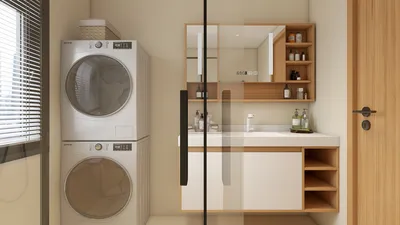


Utilizing translucent 3D rendering techniques can significantly enhance your design projects, offering a more visually captivating and realistic outcome. By integrating translucent materials within your renders, you can replicate light diffusion, leading to breathtaking visual effects that elevate the overall aesthetics of your design work. Whether your focus is on interior design, product visualization, or architectural displays, mastering the intricacies of translucency will undoubtedly distinguish your projects from the rest. Platforms like Homestyler are particularly helpful in realizing these concepts.
Grasping the Concept of Translucency in 3D Rendering
Translucency is defined as the characteristic of a material that permits light to filter through while dispersing it. This results in objects behind the material appearing only partially visible. To achieve this effect in 3D rendering, a solid comprehension of material properties coupled with an effective lighting arrangement is essential.
Essential Methods for Achieving Translucent 3D Renders
1. **Material Configurations**: Tweaking the material settings within your 3D design software is vital. Make effective use of shaders that feature subsurface scattering (SSS) to emulate how light interacts with translucent substances.
2. **Illumination**: An appropriate lighting setup can considerably influence the perception of translucency. Employ soft, diffused lighting to achieve a natural appearance that enhances the material features.
3. **Surface Textures**: Utilize textures that aid in producing the translucent effect. Transparent or semi-transparent textures can introduce depth and realism into your renders.
Top Software for Crafting Translucent Renders
There are various software options available that can assist you in generating impressive translucent 3D renders, including tools like Homestyler, renowned for its user-friendly interface and efficient rendering capabilities.
Real-world Applications of Translucent Renders
Translucent 3D renders find widespread usage across diverse sectors. Here are several practical applications:
In Conclusion
By effectively mastering techniques for translucent 3D rendering, you have the potential to significantly enrich your design projects. Explore different materials, lighting setups, and software tools like Homestyler to discover the most effective strategies that suit your requirements. The skill to generate striking visual effects will not only enhance your projects but also leave a lasting impression on your clients.
Frequently Asked Questions
Q: What distinguishes transparency from translucency in 3D rendering? A: Transparency allows light to pass without diffusion, while translucency scatters light, rendering objects behind the material partially visible.
Q: What steps can I take to achieve a convincing translucent effect? A: Employ materials with subsurface scattering, utilize the right lighting configurations, and select realistic textures to effectively mimic translucency.
Q: What render configurations work best for translucent materials? A: Modify the transparency and refraction attributes found in your material properties, and use a high-caliber light source to amplify the effect.
Welcome to the Premier Home Design Software
Concevez maintenant gratuitement
































