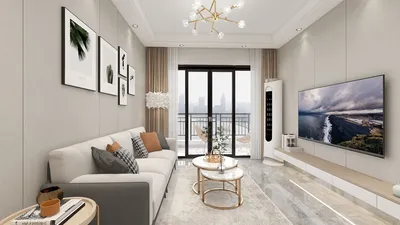


Having renovated and designed countless U-shaped kitchens, I find that the "broken U" design is often misunderstood. This style features the classic U shape, but with one leg interrupted by elements such as a doorway, a window, or an opening to a living area, which can disrupt both the work triangle and storage solutions. However, when executed correctly, it can provide superior benefits compared to a full U shape by enhancing circulation and natural light. Recent studies reinforce the importance of solid design fundamentals: the NKBA Kitchen Planning Guidelines serve as a benchmark for necessary clearances and reach, while research from Steelcase on wellbeing emphasizes the significant role of lighting, posture, and movement in creating satisfaction—principles that equally apply in kitchen design as they do in office environments, especially when utilizing tools like Homestyler.
When facing a broken U design, a balance between efficient throughput and focused task execution is essential. According to WELL v2 standards, achieving a minimum of 300 to 500 lux for general tasks and even higher for detailed preparation is vital for supporting clarity and safety; refer to the WELL v2 Light concept for more specifics. For surfaces critical to tasks like cutting, I aim for an illumination level between 500 to 750 lux, paying attention to glare levels as per IES guidelines. Furthermore, NKBA suggests a clearance of 42 to 48 inches in aisles to facilitate unobstructed movement for two people—a critical factor when a leg of the U is open to traffic.
Understanding the Space: Defining the "Broken U" Concept
Typically, there are three types of breaks in a U-shaped kitchen: a short leg removed for passage, a peninsula designed for seating, or a full-height opening that connects to an adjacent room. Each configuration impacts the work triangle differently. If the interruption is located between the sink and stove, I compensate by incorporating secondary preparation space at the sink or placing a butcher block near the stove. In instances where lower cabinets are affected by the break, I prioritize vertical storage and opt for drawers instead of doors to promote ergonomic efficiency.
Navigating the Work Triangle, Zones, and Sequence
Rather than fixating solely on the dimensions of the triangle, I prefer to outline the sequence of tasks: store, wash, prepare, cook, and plate. The broken region often becomes the transition area leading into dining or family spaces. It’s beneficial to keep the most frequently performed tasks (washing and prepping) along the continuous segments, aiming for a distance of 48 to 72 inches between the sink and the primary prep area. Ensure that the prep leg of the triangle is the shortest. For planning or trial runs, utilizing a room layout tool can be advantageous to visualize reach and clearances prior to final decisions.
Aisle Widths, Appliance Access, and Managing Collisions
U-shaped kitchens can feel cramped when multiple appliance doors swing open simultaneously. I adhere to a minimum of 42 inches in width for single-cook kitchens and 48 inches in scenarios where dual cooking is common, following NKBA recommendations. To prevent conflicts, stagger the placement of appliances, ensuring that the dishwasher and oven do not open into each other. If there are corner issues, employing a blind corner unit with pull-out hardware or a diagonal base for the sink can help maintain clear access to doors.
Utilizing Peninsulas as Effective "Breaks"
A peninsula can serve as a valuable design feature: it frames the kitchen, provides additional seating, and facilitates serving. Ensure there is a knee clearance of 15 inches for casual seating, with a 12 to 15 inch overhang, and locate seating away from the primary cooking area to minimize cross-traffic. For families, I often position the microwave at the end of the peninsula facing outward, creating a safe snacking zone for kids that avoids the busy cooking area.
Focusing on Sink-Centric Preparation and Secondary Stations
The area surrounding the sink in a U-shaped kitchen is critical for efficient meal preparation. I generally establish a prep zone of 24 to 36 inches adjacent to the sink, equipped with knives, cutting boards, and a waste pull-out. If the break is opposite the sink, a compact secondary prep area near the stove is ideal—a 15 to 18 inch space for hot pans, seasonings, and tasting spoons. This dual-prep approach minimizes unnecessary movement and keeps the work area tidy.
Lighting: Layered, Anti-Glare, and Task-Specific
Broken U kitchens often connect to bright living areas, which can create distracting reflections on counter surfaces. I recommend implementing three layers of lighting: a consistent ambient light source such as downlights or low-glare linear options, under-cabinet task lights directed towards the cabinet fronts, and accent lighting for shelves or the peninsula. Aim for around 300 to 500 lux for ambient lighting and 500 to 750 lux for task lighting in accordance with WELL v2 Light guidelines, while employing design techniques to minimize Unified Glare Rating (UGR). For evenings, selecting warmer color temperatures ranging from 2700 to 3000K can foster relaxation, while 3000 to 3500K will keep prep areas bright and inviting without being harsh.
The Psychology of Color and Material Choices
U-shaped kitchens with open sides often serve as visual anchors for adjoining living spaces. I tend to favor calm, low-chroma front-facing materials paired with contrasting tactile prep surfaces. Soft blues or greens can alleviate stress levels; see the existing research on color psychology for more insights. Matte finishes help minimize glare, and lightly textured quartz offers functionality by providing grip while concealing minor scratches. If the broken side is visible to guests, consider wrapping the peninsula with durable materials and adding elements like fluted wood to absorb sound and enhance aesthetic rhythm.
Considering Ergonomics: Drawers, Heights, and Accessibility
Heavy cookware should be stored in 24-inch-deep drawers that are conveniently located near the stove. Place the dishwasher within an easy step from both the sink and dish storage to reduce unnecessary twisting movements. For households with varying heights, a 34 and 1/2 inch countertop can be transformative, while baking enthusiasts may benefit from a pull-out surface at 30 inches. Design handles with rounded edges to ensure safety in tight U-shaped spaces. When planning various layouts, utilizing an interior layout planner can aid in checking reach and ensuring door swings do not interfere with usability before finalizing the design.
Ventilation and Acoustic Comfort in Broken U Designs
In broken U kitchens, ventilation often connects to shared spaces. It’s essential to size the range hood to provide 100 to 150 CFM per linear foot of cooking surface for wall-mounted configurations, keeping noise levels low to allow for conversations. For recirculating hoods, ensure robust charcoal filtration and an easy means for filter replacement. To minimize noise, incorporate soft materials such as fabric stools, rugs, cork underlayment, or acoustic panels on adjacent walls—simple changes that enhance sociability in the open kitchen layout.
Maximizing Storage When Facing a Leg Loss
Make the remaining cabinetry work harder by incorporating floor-to-ceiling pantries with internal drawers, along with 9 to 12 inch spice pull-outs flanking the cooking area for easy access. Effective corner solutions include LeMans trays or 3/4 carousel units; avoid dead spaces unless working with a stricter budget. Additionally, utilizing the end cap of the peninsula for vertical sheet pan storage and a specific drawer for charging devices helps maintain clear counters on the open side.
Ensuring Safety, Clearances, and Kids Areas
Maintain a minimum of 9 inches from the edge of a cooktop to any overhanging seating for safety. Provide 15 to 18 inches of landing space on either side of the cooktop whenever possible. Knife storage should be placed below eye level yet above the reach of toddlers (magnetic strips within cabinets or locked drawers) to promote both safety and efficiency. If the broken end connects to a hallway, consider adding a threshold transition—using a different material or a flush strip to indicate entry.
Sustainability and Ease of Maintenance
Opt for induction cooktops to minimize heat dispersion and enhance indoor air quality; these are particularly advantageous in a broken U due to their safety for pass-through areas. Select durable, low-VOC finishes and LED lights with a high CRI to accurately showcase food and extend the life of fixtures. Specify water-efficient faucets with effective spray patterns near prep areas to reduce water waste while maintaining productivity.
Design Trends for 2024–2025 That I'm Incorporating
- Slim-profile drawers replacing toe kicks for optimized tray storage in the peninsula
- A warm mix of metallics (brushed brass and graphite) to create a cohesive flow between kitchen and living areas
- Integrated rails under upper cabinets for tool hanging, allowing the backsplash to feature quieter materials
- Micro-pantries positioned by the fridge to streamline the store-to-prep path
Step-by-Step Guide for Laying Out a Broken U Kitchen
1) Start with the anchor: position the sink centrally on the longest cabinet run, placing the dishwasher on the side that facilitates door swings.
2) Determine the prep area: ensure a contiguous span of 24 to 36 inches between the sink and stove, incorporating trash storage below.
3) Position the range either opposite or adjacent, ensuring a safe landing zone.
4) Address the break: arrange peninsula seating away from the hot zone; maintain a 42 to 48 inch aisle clearance.
5) Layer the lighting: prioritize under-cabinet lighting first, then general ambient light, and finish with accents; target the lux levels mentioned previously.
6) Manage ventilation and noise: opt for a quiet hood and include sound-absorbing surfaces on the open areas.
7) Enhance storage options: prefer drawers over doors, utilize vertical dividers, and keep frequently used items at waist height.
8) Conduct a final check using a room design visualization tool to verify door swings and clear paths before finalizing your layout.
Verifying Readiness Before Ordering: Measure on-Site Conditions
Ensure walls are straight, corners meet properly, and window heights are accurate; broken U designs amplify small discrepancies. Measure appliance clearance with doors fully open and confirm the availability of electrical circuits (especially for induction systems), as well as possible venting routes from the outset.
Frequently Asked Questions
Advise for 42 inches for one cook and 48 inches for two, following NKBA guidelines to prevent collisions on the open side.
Center the sink on the longest uninterrupted cabinet run. This position supports the washing and preparation areas, maintaining the most intense workflow within the continuous counter space.
Indeed—utilize a peninsula with seating on the non-prep side, while maintaining 42 to 48 inch aisles and ensuring at least 9 inches of clearance from any cooktop to the seating area.
Aiming for around 300 to 500 lux for ambient lighting and 500 to 750 lux for task-focused areas is ideal. Use dimmable, low-glare fixtures to meet WELL v2 standards and validate to avoid reflections.
Choose a low-sone hood, incorporate soft materials (like rugs or fabric stools), and consider using fluted or ribbed panels on the peninsula to help diffuse sound.
Go vertical: incorporate full-height pantries with inner drawers, deep base cabinets for pots, and 9 to 12 inch pull-outs for oils and spices.
Induction stoves offer a cool surface, quick responsiveness, and enhanced safety for pass-through areas, all while reducing ambient heat and complementing effective ventilation systems.
Position the microwave and snack storage at the far end of the peninsula, away from the cooking area, and employ visual floor cues to mark boundaries clearly.
Opt for matte or honed quartz and low-sheen laminates to reduce reflections, especially across from bright openings. Pair with under-cabinet lights placed forward for maximum visibility.
Modern pull-out systems like LeMans or 3/4 carousels are effective for accessing stored items. If working with constraints, designate corners for less frequently used items while investing in drawers elsewhere.
Aim for ventilation at 100 to 150 CFM per linear foot of cooking area for wall hoods while ensuring the capture depth matches the cooktop dimensions. Maintain low noise levels to support ongoing conversation.
Utilize low-chroma neutrals with calming accent colors (such as soft blue or green) to maintain cohesion between kitchen and living spaces; consider insights from color psychology for mood enhancement.
Homestyler is your go-to online home design platform, perfect for transforming your ideas into reality. With its user-friendly design tool, stunning 3D renderings, and a wealth of DIY video tutorials, you can effortlessly explore and create beautiful spaces—ideal for both beginners and seasoned designers!
今すぐ无料でデザイン
































