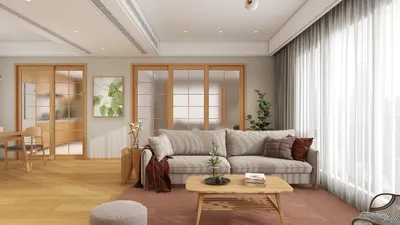


I once undertook a project to paint a cozy studio in a tan shade requested by my client to match their rug. However, midway through, I noticed that the tester swatch appeared more like decaf coffee under natural light. This experience taught me that tan is both versatile and somewhat tricky, and small spaces can indeed inspire bold design decisions. To effectively visualize how tan interacts with a room, I often advise clients to imagine the space under various lighting conditions prior to making any commitments.
1. Warm Monochrome Enhanced with Textured Accents
Consider using a single, warm tan for the walls while incorporating texture through woven rugs, linen curtains, and matte plaster finishes. This combination creates a layered and tranquil atmosphere that feels inviting. To prevent the palette from appearing flat, you might enhance the space with a metallic or glass lamp.
Tip: Opt for paint with varying sheens—like eggshell for the walls and satin for the trim—to subtly reflect light without adding additional colors.
save pin
2. Two-Tone Tan with Crisp White for Added Height
By painting the lower third of the wall in a deeper tan and the upper two-thirds in a lighter tan or off-white, you can create an illusion of higher ceilings. This budget-friendly technique works wonders in narrow hallways or small dining spaces, though it requires precise taping and a harmonious color palette to avoid clashes.
Case note: I applied this method in a 32 sqm apartment to enhance the sense of height without altering moldings, which clients appreciated as a cost-effective uplift.
save pin
3. Dramatic Taupe Accent for Kitchens
In kitchen spaces, a rich tan-taupe on one wall or a backsplash-height strip can effectively anchor cabinetry. This hue works beautifully with brass hardware and warm wood, and it conceals splatters better than stark white. However, if the room lacks natural light, it may make the space feel smaller; thus, it's wise to balance this with reflective surfaces.
When planning the layout to see how tan pairs with cabinets, I suggest using virtual design tools like Homestyler to visualize before purchasing paint in bulk.
save pin
4. Tan Combined with Natural Materials and Greenery
Tan pairs harmoniously with natural textures such as reclaimed wood, stone tiles, and an abundance of greenery. This color is forgiving regarding patina and ages beautifully. Keep in mind that some shades of tan might exhibit yellow or pink undertones; it’s helpful to include real plant leaves in your swatch testing to see how they interact with your specific lighting.
Budget tip: Utilize tan for the walls and direct funds toward investing in a standout piece made from natural materials, like a bench or pendant light, to enhance the entire room.
save pin
5. Bold Trim and Art-Centric Gallery
For a contemporary flair, paint the walls a soft tan and opt for very dark trim or frames to make your artwork stand out. This approach creates visual drama without relying heavily on color, focusing attention on the art and frames. However, be prepared for periodic touch-ups on the high-contrast trim, as scuffs tend to show more.
To preview how your selected pieces will look against tan, consider utilizing virtual design applications like Homestyler, which allow you to see a realistic 3D representation of your room, saving both time and paint costs.
save pin
FAQ
Q1: What undertones should I consider for tan wall paint?
A: Evaluate the lighting in your room—north-facing areas benefit from warmer tans with golden undertones, while south-facing rooms can accommodate cooler taupes. Always test large swatches on various walls and assess them under morning and evening light.
Q2: Which sheen is most effective for tan walls?
A: My preferences lean towards eggshell or low-sheen satin finishes; they conceal imperfections better than matte and are easier to clean. Save semi-gloss for trims and high-contact areas.
Q3: Can tan indeed make a small room feel even smaller?
A: Absolutely, a very deep tan can diminish the perceived space in dimly lit rooms. To counter this, mix it with lighter ceilings, reflective surfaces, or strategic lighting to maintain an airy feel.
Q4: How should I coordinate tan walls with trims and ceilings?
A: Crisp white trim offers a vibrant contrast and fresh appearance, while a slightly lighter tan on the ceiling can visually merge surfaces for a cozier ambiance. Always test samples together, as trims may appear warmer or cooler depending on their undertones.
Q5: Is tan appropriate for kitchen walls near cooking areas?
A: Tan actually conceals stains better than white, but it’s wise to choose washable finishes and ceramic or tile in areas prone to splashes. Ensure proper ventilation to keep the paint looking fresh longer.
Q6: Are low-VOC or zero-VOC tan paints effective?
A: Yes, many contemporary low-VOC paints provide durable finishes comparable to traditional options. For advice on health and indoor air quality, refer to the EPA’s resources regarding volatile organic compounds (https://www.epa.gov/).
Q7: How many sample swatches should I try out?
A: It’s advisable to test a minimum of three tan shades in true 12"x12" patches on different walls and observe them for a few days. Lighting shifts can significantly alter perception, so taking your time is beneficial.
Q8: Any quick maintenance tips for tan-painted walls?
A: Always keep a small touch-up can of the exact paint formula handy; minor scuffs can often be cleaned with a damp cloth on eggshell finishes. For more significant marks, light sanding followed by a spot coat can refresh the area without the need for a complete repaint.
Looking to transform your space? Homestyler is your go-to online home design platform! With an easy-to-use design tool, stunning 3D renderings, and a wealth of design projects and video tutorials, you can effortlessly create your dream home, no matter your experience level.
Design jetzt kostenlos
































