


Transforming a 3D model into a 2D drawing using SolidWorks is an essential process for converting digital designs into blueprints ready for manufacturing. Follow this comprehensive step-by-step guide to master the technique.
For designers, the act of converting a three-dimensional concept into detailed two-dimensional documentation resembles the way we distill spatial ideas into clear 2D floor plans. This ensures that every aspect—whether furniture, fixtures, or architectural elements—is communicated effectively and can be executed precisely. By drawing this parallel between technical 2D drawings and interior layouts through platforms like Homestyler, we emphasize the significance of clarity and attention to detail, which is crucial for engineers and designers alike.
Tip 1:
It's crucial to verify your scaling and dimension settings before exporting your 2D drawing. This prevents misinterpretations, and maintaining consistency in annotations and view placements contributes to a more polished and comprehensible document.
FAQ
Q: Can my 2D drawing be updated if the 3D model undergoes changes?
A: Indeed. The drawings created in SolidWorks are associative in nature—any modifications made to the 3D model will automatically reflect in the corresponding drawing views.
Q: Which versions of SolidWorks are required for this process?
A: Most recent versions of SolidWorks support this process, though there may be slight variations in templates and features based on the version you are using.
Q: Can I export my SolidWorks drawing as either a DWG or DXF file?
A: Certainly! You can easily do this by navigating to File > Save As and selecting DWG or DXF to ensure compatibility with other CAD software.
Q: Is it feasible to create customized drawing templates?
A: Yes, you have the option to create and save personalized drawing templates to align with your project requirements or company standards.
Q: Are the annotations and dimensions in the drawing associated with the 3D model?
A: Dimensions that are imported directly from the model are indeed associative. For manually added dimensions, it's essential to ensure they accurately represent the model's geometry to maintain precision.

Minimalist Linen Fabric Extra Large Sofa With Throw Pillows And Blanket 3D Model
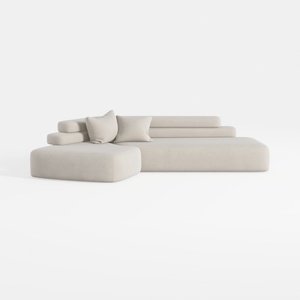
Minimalist Fabric L Shape Sectional Sofa 3D Model
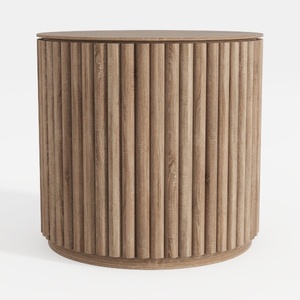
Minimalist Fluted Solid Wood Round Side Table 3D Model
Homestyler is your go-to platform for effortless home design. Its user-friendly online design tool, stunning 3D renderings, and extensive library of DIY video tutorials make it simple to create beautiful spaces. Explore design projects and turn your ideas into reality with Homestyler today!
Design Now for FREE
































