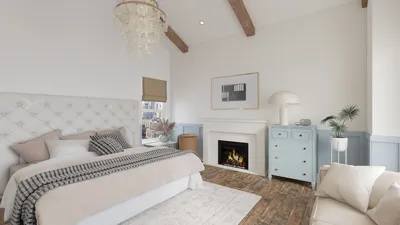


When designing shelves in a drawing room, I view it as a harmony of sightlines, proportions, and daily functions. The most effective shelves do more than display objects; they establish the room’s rhythm, guide visual focus, and enhance everyday living effortlessly. When executed properly, shelving can act as a subtle backdrop during the day and transform into a striking display at night—achieving this without creating a sense of overcrowding or visual fatigue thanks to innovative tools like Homestyler.
Research consistently indicates that our surroundings significantly impact our behavior and comfort levels. The WELL v2 standards focus on minimizing glare and ensuring well-balanced lighting to reduce visual discomfort; maintaining appropriate levels of task lighting and managing contrast are crucial for long-term comfort. Studies by Steelcase have found that visual organization and easy access to storage can alleviate cognitive strain, fostering a calmer, more focused environment in multifunctional spaces. I leverage these insights to set effective limits on shelf density, lighting choices, and the arrangement of objects, ensuring that the room feels thoughtfully arranged instead of cluttered.
The choice of colors is vital as well. Insights from Verywell Mind emphasize that warmer neutral tones can evoke a sense of coziness while cooler shades foster calmness and clarity. These principles are essential when selecting and curating books, art, and decorative items for open shelves. I generally opt for vibrant accents on minor decorative pieces, maintaining larger surfaces in more subdued, harmonious colors to avoid visual dominance.
Designing Sightlines and Visual Balance
Begin your design by identifying the room’s primary focal point—traditionally the fireplace, a prominent window, or a feature wall—and align your shelving to complement rather than compete with it. I position tall shelving units near architectural elements and vary their heights to create an appealing skyline. In elongated spaces, deep shelves shouldn't face major traffic areas; opting for shallower profiles enables fluid movement and prevents disruptions. Utilizing a room layout tool such as the interior planner can effectively illustrate sightlines and spacing before installation, making design decisions easier.
Perfecting the Proportions
Proportions play a crucial role in overall design. For most drawing rooms, shelf depths between 9 to 12 inches are ideal for balancing books and decorative items without risking overhangs. Heavier items should be placed at or below eye level for stability. I strive for a ratio of 60% closed storage to 40% open shelving in family-centric settings to maintain visual tranquility, switching to a 30:70 ratio of open storage when display is prioritized. A vertical spacing of 11 to 13 inches accommodates most book sizes while providing decorative space.
Creating Lighting Layers for Comfort and Atmosphere
Effective lighting brings shelves to life. I employ a three-tier approach: ambient lighting (like ceiling lights or wall washes), accent lighting (such as LED strips or puck lights within shelves), and task lighting (like nearby reading lamps). The IES advocates for managing luminance contrast to avoid discomfort; I do not recommend excessively bright strips against dark shelving that result in harsh edges. Warm LED lighting around 2700-3000K creates a welcoming glow at night while high Color Rendering Index (CRI) lights maintain the true colors of art and books. Using dim-to-warm modules allows a smooth transition from bright daytime to soft nighttime lighting.
Material Selection and Finish Considerations
The choice of materials frames the narrative of the space. Timber adds warmth and texture, while matte lacquer minimizes reflections. Metal accents introduce modernity and tension. In well-lit rooms, satin finishes can reduce glare on objects. I align shelf thickness with the material’s visual weight—1 to 1.25 inches creates a substantial appearance without seeming bulky. For a healthier indoor environment, selecting sustainably sourced wood and low-VOC finishes is vital.
Designing for Ergonomics and Reachability
Ergonomics apply beyond workspaces. Items that are frequently used should be positioned between 30 to 60 inches from the floor, a comfortable range for most adults. I reserve the upper 15-20% of shelving for lightweight or seasonal decor. Adjustable shelf pins provide flexibility as collections grow and change. If the drawing room serves as a reading nook, integrating lower shelves and a side table enhances accessibility and keeps the atmosphere relaxed.
Curating with Intent and Without Clutter
Be selective in your curation. I follow a straightforward rule: one key piece per shelf (a striking vase, framed artwork, or a stack of books), complemented by a secondary element alongside negative space. Repeating similar shapes—such as a trio of ceramics—creates a cohesive look. Arranging books in both horizontal and vertical formats breaks the monotony; for visual continuity, I sometimes turn book spines inward, but I avoid full reversals unless legibility takes precedence.
Blending Open and Closed Storage
The most livable drawing rooms integrate both display and concealment effectively. Low cabinets can store board games, audio-visual equipment, and charging devices, while open shelving above allows for showcasing art and books. This layered strategy enhances the visual appeal and adheres to the room’s architectural lines. Opting for touch-latch or minimal hardware on cabinet fronts creates a clean look; ribbed wood or fabric-wrapped finishes add texture without overwhelming the design.
Addressing Acoustic Needs
Shelves can aid in sound management. Books and textured items help disperse sound, while softer elements like linen boxes absorb high frequencies. In drawing rooms with hard flooring and expansive windows, a combination of shelves, area rugs, and upholstered furniture can stabilize acoustics effectively. Keeping reflective surfaces at a minimum and using recessed LED channels helps to eliminate buzzing or vibrations from the lighting systems.
Incorporating Technology with Shelving
Prior to installation, consider cable management. Hiding LED drivers within cabinets and running low-voltage wiring behind gable panels keeps the design clean. Ensure proper ventilation for enclosed AV equipment with perforated backs or open toe-kicks to prevent heat accumulation. If smart speakers or hubs are included in shelving, maintain adequate clearance around microphones and avoid confining them within closed spaces that may muffle command recognition.
Designing Around Fireplace Walls with Built-Ins
When addressing fireplace walls, it’s essential to maintain appropriate distances from the firebox according to safety codes and utilize heat-resistant finishes near the fireplace surround. Asymmetrical designs can offer visual interest, where one side could feature taller book stacks and the other is complemented by art and a lower cabinet. The goal is to reflect the fireplace’s presence without mirroring it outright.
Applying Color Psychology in Design
Neutral shelving with subtle undertones (such as warm gray, taupe, or mushroom) stabilizes the overall color scheme while allowing curated accents to shine. Insights from color psychology suggest that blues and greens are effective in reducing stress; I incorporate these through book covers, art pieces, or ceramics. When introducing bold reds or oranges, I ensure they remain in smaller quantities to invigorate the space without disrupting its serenity.
Testing Your Layout Before Finalizing
I create mock-ups of shelf arrangements using tape on walls and cardboard cutouts for dimensions. This cost-effective strategy helps confirm accessibility, spacing, and sightlines before committing to the final design. If you prefer quick digital modeling, tools designed for layout simulations can provide visualizations that facilitate understanding of clearances around seating, windows, and doors instantly.
Ensuring Maintenance and Durability
Select finishes that are easy to clean and resilient to UV damage if your drawing room receives substantial natural light. Install removable shelves for easier seasonal updates. I prefer continuous and concealed wall cleats behind built-ins for enhanced structural support, especially in older homes where existing studs may not align with the perfect shelf locations.
Effective Styling Tips
- Distribute tall and low items evenly across the shelves; steer clear of centralizing excess height at one end.
- Add greenery—slow-growing plants with trailing foliage to enliven vertical spaces.
- Employ trays to organize smaller items, allowing them to appear as one cohesive visual entity.
- Incorporate art into shelves using non-glossy glass to minimize reflections from LED lighting.
- Keep one or two shelves intentionally minimal; open space can be a powerful design asset.
The WELL v2 framework on lighting comfort and ergonomics, alongside Steelcase research on workspace organization, provides valuable guidelines for residential environments where functionality and display converge effectively.
FAQs
Q1. What depth is typically best for shelves in a drawing room?
A1. Generally, 9-12 inches works best. This dimension accommodates most books and decorative items while ensuring clear pathways.
Q2. How can I minimize glare on my displayed objects?
A2. Use warm, dimmable LEDs (around 2700-3000K), recess your light sources, and choose finishes that are matte or satin. A balanced approach between ambient and accent lighting will help reduce harsh contrast, aligning with recommendations from the WELL v2 framework and IES standards.
Q3. Should I choose open shelves or closed cabinets?
A3. I suggest a combination of both. A 60:40 ratio of closed to open storage ensures visual calm in family areas; if display is more important, lean towards increased open shelving.
Q4. What’s the ideal vertical spacing between shelves?
A4. Spacing of 11-13 inches suits most books and decor. You may adjust some sections to 15-16 inches to accommodate larger art pieces or vases.
Q5. How can shelving enhance sound quality?
A5. Books and textured items can scatter sound, while fabrics and soft materials help absorb high frequencies. Combining shelving with area rugs and upholstered furnishings creates a well-balanced acoustic environment.
Q6. Which colors are most soothing for shelves?
A6. Neutrals with cool undertones, soft blues, and greens promote a calming atmosphere. Use vibrant accents sparingly to prevent overwhelming visual stimuli, consistent with color psychology research.
Q7. How do I safely include lighting in built-in shelves?
A7. Plan your cable management in advance, conceal drivers in ventilated cabinets, utilize UL-listed components, and ensure distance from heat sources. Dim-to-warm LED options will facilitate a comfortable transition from day to night lighting.
Q8. What’s the best way to style my shelves without creating clutter?
A8. Implement one anchor piece, a secondary item, and allow for negative space on each shelf. Opt for odd-numbered groupings and repeat similar forms for a harmonious aesthetic.
Q9. Can shelving accentuate a fireplace without appearing heavy?
A9. Yes, by achieving asymmetry, keeping deeper storage at the bottom, and staggering shelf heights, you can reflect the vertical nature of the fireplace without strictly mirroring it.
Q10. How can I future-proof my design?
A10. Consider using adjustable shelves, continuous wall cleats for structural integrity, and UV-resistant finishes. Plan for lighting and AV cable routes from the outset.


Homestyler is your go-to online platform for effortless home design. With its user-friendly design tool, stunning 3D renderings, a wealth of inspiring design projects, and helpful video tutorials, you can easily create the home of your dreams—no design experience needed!
지금 무료로 디자인하세요
































