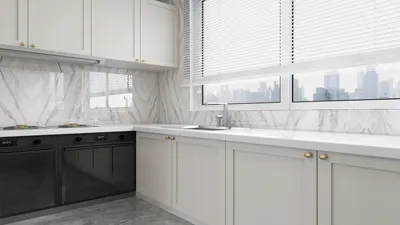


Room air fresheners do much more than simply conceal unpleasant odors; they play a vital role in establishing an inviting atmosphere, enhancing comfort, and gently guiding behaviors in both residential and small commercial environments. I view fragrance as an integral aspect of interior design, akin to lighting and sound: it should be thoughtfully calibrated, layered, and responsive to the way individuals interact within a space.
The longevity of a fragrance is influenced by various factors including air circulation, humidity levels, surface types, and how the scent is applied. In workplace settings, air quality is crucial for overall comfort, with research from Steelcase showing that environmental factors such as air quality and noise significantly affect employee wellbeing and productivity. For optimal respiratory comfort, WELL v2 guidelines recommend keeping PM2.5 levels below 15 µg/m³, which is important to consider when using scented products in enclosed areas. According to Verywell Mind, warm colors tend to invigorate an environment, while cool hues promote relaxation—this concept can effectively complement scented profiles like citrus versus lavender.
Intentional scent application is key: light, fresh notes such as citrus, green, or aquatic fragrances are ideal for active spaces, while deeper scents like woody, amber, or musk are better suited for transitional times and evening use. To achieve the most effective diffusion, it’s important to be mindful of airflow; avoid placing aerosol sprays directly under HVAC vents where the scent can dissipate quickly. In homes featuring varied materials, porous materials like textiles and unfinished woods tend to retain fragrances longer than non-porous surfaces like tiles or glass. Opt for smaller, repeated applications instead of one heavy spray to maintain an even scent profile without overwhelming your senses.
Selecting the Perfect Fragrance Variant
I align fragrance categories with the intended use of each room. For living areas, I suggest using soft floral scents combined with light wood notes to prevent an excessively sweet atmosphere. In kitchens, crisp citrus or herbal aromas can effectively neutralize cooking smells without conflicting with other scents. For bedrooms, consider using calming fragrances like lavender, powdery musks, or mild sandalwood to encourage relaxation. In entryways, opt for vibrant, aromatic top notes that create a warm welcome. When working with spaces featuring bold warm colors, I prefer bright citrus or green fragrances; for cool, minimal palettes, watery florals or subtle musks maintain a cohesive ambiance. Insights from Verywell Mind also support this approach, suggesting that warm environments enhance energetic scents, while cooler environments strengthen soothing accords.
Strategizing Placement and Diffusion
Strategic placement significantly affects fragrance longevity, often more than people realize. I steer clear of corners where air remains still, instead opting for locations near traffic areas to allow gentle microcurrents to disperse the scent without overpowering it. Spray into the air towards the center of a room at about head height, letting the fragrance fall naturally. Be cautious not to spray directly onto delicate surfaces. In open-plan spaces, treat scent distribution like zoning: establish a primary fragrance in the living area and a complementary note in the dining space. Utilizing a room layout planner, such as Homestyler, can assist in visualizing scent diffusion paths and circulation within your home.
Adjusting Frequency and Dosage
For a room measuring between 150 and 200 square feet, two light sprays every two to three hours suffice to maintain a consistent fragrance profile without causing saturation. In high humidity environments, be prepared to apply slightly more frequently, as moisture can bind to volatile fragrance compounds and dull their impact. Conversely, in dry conditions, scents may disperse more quickly, necessitating a reduction in dosage while increasing the frequency of application. Always refresh the scent following cleaning or cooking. If individuals differ in their sensitivity to scents, aim for a base level that is just perceptible from one to two meters away; fragrances should be noticed, but not overwhelming.
Maintaining Air Quality and Comfort
I prioritize incorporating scent into a healthy air quality strategy which involves proper ventilation, regularly opening windows, and filtering the air to maintain standards that adhere to WELL v2 recommendations on particulate matter. When windows and doors are closed, it’s wise to minimize heavy scent applications and avoid layering multiple strong fragrances. Timing the scent application with HVAC cycles is beneficial; spraying just before the fan kicks on can help facilitate a gentle distribution of the fragrance before it dissipates. If occupants report discomfort such as dryness or headaches, consider lowering the fragrance intensity and checking humidity levels, ideally between 40–60%.
Exploring Materials, Textiles, and Surfaces
Textiles serve as excellent reservoirs for fragrance. A light mist toward curtains or upholstered surfaces can extend the presence of the scent, though it’s prudent to test inconspicuous areas first to prevent any staining. Wood, too, has the ability to absorb and gradually release fragrances, making it particularly beneficial for evening settings. Hard surfaces can reflect scent and create a strong initial impact, so it’s best to direct sprays into the air rather than on surfaces. On cleaning days, it’s helpful to avoid clashing aromas; utilize neutral cleaning products and allow the chosen fragrance to be reintroduced for clarity in scent profile.
Achieving Layering Without Overwhelm
Consider the top-heart-base method when layering fragrances. A fresh top note, such as citrus, can effectively welcome guests, while a floral or herbal heart note adds character to the atmosphere, and a subtle wood or musk note grounds the space. Limit the total fragrance palette to two or three notes to avoid confusion; exceeding this can make the room feel chaotic. Should you use candles regularly, select a room air freshener that complements rather than duplicates the scent. Using diversified textures, like a spray combined with a candle, can extend the fragrance’s presence without amplifying its intensity.
Timing and Behavioral Patterns
I adapt scent profiles to suit the flow of daily life. In the morning, energizing citrus scents work well in kitchens and entryways. Midday calls for light herbal notes in living spaces to promote focus during tasks. In the evening, soft musks, amber, or lavender fragrances can induce relaxation in bedrooms and lounges. It’s also wise to refresh the scent prior to guest arrivals and after high-odor activities. Consider keeping a travel-sized fragrant spray on hand for quick refresher applications in bathrooms.
Aligning Acoustics, Light, and Scent
Fragrance should harmonize with other sensory experiences. Bright, well-lit areas (300–500 lux for typical residential living spaces) pair beautifully with crisp scents, while dim, warm lighting (2700–3000K) is conducive to cozy woods and musks. Mitigating glare near mirrors and glossy finishes helps avoid sensory fatigue. Incorporating soft furnishing that absorb sound can enhance perceived scent by reducing turbulent air pockets, making the fragrance experience more uniform and pleasant.
Fostering Sustainability and Sensitivity
It's crucial to use the minimum effective dose of fragrance. Regular ventilation is important, especially in homes with pets or children, as it’s wise to select mellower profiles and avoid direct application on their textiles. Always dispose of empty cans responsibly and store fragrance products away from heat sources.
Simple Steps for Long-lasting Fragrance
- Briefly ventilate the area, then close windows.
- Apply two light sprays in the center of the room, at head height.
- Lightly mist textiles (test first to avoid damage).
- Match scent application with activity (energizing scents in the morning, softening in the evening).
- Reapply every 2–3 hours as necessary, adjusting for climate.
- Avoid the use of conflicting, strong scents.
Common Questions
Control airflow, utilize light repeated applications, and harness textiles as gentle scent reservoirs. Avoid spraying underneath HVAC vents where aromas can clear too quickly.
Spray towards the center of the room and near circulation paths, while steering clear of corners. Use an interior layout planner like Homestyler to visualize airflow.
Two light sprays every 2–3 hours generally maintain a balanced scent presence. Adjust the frequency slightly in humid conditions and decrease intensity in arid climates.
Indeed, environmental comfort plays a crucial role in productivity; findings from Steelcase connect improved environmental conditions with enhanced wellbeing. Use subtle fragrances and coordinate with ventilation for the best effect.
In kitchens, use citrus or herbal notes to neutralize cooking smells. In bedrooms, opt for lavender, musk, or soft wood fragrances to promote relaxation.
Warm color schemes harmonize with vibrant citrus and aromatic notes, while cool palettes are complemented by airy florals and clean musks, in line with findings from Verywell Mind.
Absolutely, as long as they are complementary. Use a fresh spray in entries and a soft candle for evening ambiance. Limit combinations to two or three notes to prevent overlap.
Ensure adequate ventilation and filtration following the WELL v2 guidelines on particulate matter. If discomfort is reported, reduce scent intensity and check humidity levels around 40–60% for optimal comfort.
Always test inconspicuous areas first. Light mists directed toward curtains or upholstery prolong fragrance presence; avoid heavy direct application.
Create zones for scent: establish a primary note in the living space and a complementary one in the dining area. A layout simulation tool such as Homestyler helps plan optimal scent diffusion paths.
Aim to refresh fragrances 10–15 minutes in advance, post a brief ventilation period, to ensure even distribution without sharp initial odors.
Utilize minimal effective dosages, ensure regular ventilation, and responsibly dispose of empty containers. Store fragrances in a cool place, away from heat.



Looking to elevate your home design game? Homestyler offers an intuitive online design tool, stunning 3D renderings, and a wealth of design projects along with DIY video tutorials. It's perfect for anyone wanting to turn their interior ideas into reality effortlessly!
Zaprojektuj teraz za darmo
































