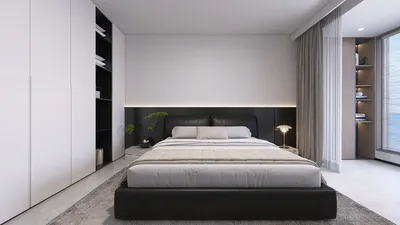


I view room decoration as a series of intentional choices that ultimately create mood, utility, and sustainability. Exceptional interiors appear effortless because the foundational decisions—such as lighting, spatial arrangements, acoustic management, and material selection—are carefully aligned with human behavior. Well-executed decor enhances daily life by fostering tranquility, clarity, and enjoyment.
Begin with Light: Layer, Calibrate, and Control
Light stands as the most influential tool in room decoration. Aim for 300–500 lux for general ambient lighting in living rooms and bedrooms while targeting 500–1,000 lux in task areas like home offices and kitchens, adhering to recommendations from IES (ies.org/standards). In my current projects, pairing warm ambient light (2700–3000K) with neutral task lighting (3500–4000K) maintains a cozy evening atmosphere while supporting focus. WELL v2 promotes glare reduction and layered lighting to enhance circadian comfort (wellcertified.com). Combine dimmable overhead lights with floor and wall lamps, and incorporate localized task lighting at desks and reading areas to reduce shadows.
Design Layouts According to Behavior
Begin by planning circulation paths, followed by defining activity zones: relaxation (sofa and lounge), focus (desk or reading nook), and revitalization (soft seating, plants, and views). Ensure walkways remain clear, maintaining at least 30–36 inches. Arrange furniture to create social groupings; for example, position a lounge chair towards the sofa to encourage conversation while maintaining open sightlines. When testing arrangements, utilize an interior layout planner or design visualization tools like Homestyler to simulate space, traffic flow, and relationships before moving heavy furniture.
Color Psychology: Tranquility, Energy, and Harmony
Colors amplify intentions. Soft neutrals reduce cognitive strain, greens promote restorative feelings, and selective reds can energize a space. Studies in color psychology highlight blue’s connection to stability and focus, while yellow is associated with warmth and friendliness (verywellmind.com/color-psychology). For compact rooms, low-contrast color schemes enhance the perception of space; in lively family areas, add color through removable items—like pillows, throws, or artwork—for seasonal updates. In workspaces, opt for neutral backgrounds to decrease visual distractions during video calls.
Ergonomics: Prioritize Comfort Seamlessly
Decor should prioritize the needs of the body. In home offices, desk surfaces should ideally be positioned around 28–30 inches high, complemented by an adjustable chair with lumbar support; ensure elbows remain at 90–100 degrees and screens are at eye level to minimize strain (ergonomics.org). Maintain side tables 1–2 inches below the height of the sofa arms for easy access. In reading corners, locate task lamps slightly behind and to the side to avoid glare. A soft rug underlay (10–12 mm) enhances comfort on hard floors, and layered textiles help reduce sound reverberation.
Acoustic Comfort: The Luxury of Quiet
Sound significantly influences our mood. If a room feels unsettled, decrease reflective surfaces. Incorporate fabric curtains, upholstered seating, and textured wool rugs; aim for a well-balanced mix of materials that absorb and diffuse sound. Bookshelves can serve as diffusers if filled unevenly. In open-plan spaces, position soft panels or clusters of tall plants between TV and dining areas to diminish cross-noise. In apartments, sealing door gaps and using felt pads under furniture can help reduce impact sounds.
Material Selection and Sustainability
I prefer materials that endure and enhance indoor air quality. Opt for solid woods with low-VOC finishes, wool or recycled rugs, and natural fiber draperies. If cooking frequently, quartz or sintered stone countertops are excellent choices as they resist staining; for rental-friendly upgrades, simply swap cabinet hardware and install magnetic LED strips beneath shelves. When choosing bathroom fixtures, adhere to NKBA standards and prioritize those with replaceable components (nkba.org). Focusing on longevity rather than trends creates the most sustainable designs.
Spatial Ratios, Rhythm, and Visual Equilibrium
Rooms foster a sense of stability when visual weight is evenly distributed. Create rhythm through repetitive elements: a trio of spherical light fixtures, linear bookshelves, and a circular coffee table can cohesively interact. Follow the 60-30-10 rule for color distribution, featuring a dominant base, a secondary tone, and accent highlights. Hang artwork with centerlines around 57–60 inches from the floor to align with the average human eye level. Ground seating arrangements with a rug that extends 8–12 inches beyond furniture footprints, enhancing the overall composition.
Pending Trends for 2024–2025
Organic shapes, warm woods, and tactile materials are anticipated to dominate. Micro-work zones within living environments have become commonplace—think compact desks embedded in shelving, fold-down wall tables, and sound-absorbing chairs for video conferencing. The concept of soft modernism—characterized by clean lines paired with textured textiles and plaster-like finishes—suits smaller living areas well. Statement stones or subtly patterned tiles can animate kitchens without falling into fleeting design trends.
Layered Styling: Transforming from Blank to Character
Start with foundational elements: a quality sofa, a supportive lounge chair, and a durable rug. Incorporate functional verticals—like a floor lamp, tall plant, or slender bookshelf—to enhance room height. Style surfaces using odd-numbered groupings—a lamp, a book stack, and a small sculpture create a more inviting arrangement than symmetrical pairs. Employ mixed textures—such as linen, bouclé, and brushed metals—to keep light interaction engaging throughout the day. Allow for negative spaces on each surface; emptiness contributes to the overall composition.
Flow and Initial Impressions: Entrance Matters
Entrances establish the overall ambiance. A console with enclosed storage, a shoulder-width mirror, and a tray for keys streamline daily routines. If space permits, a narrow bench can facilitate calmer arrivals and departures. In limited hallways, ceiling-mounted lighting with low-glare lenses offers adequate lux levels without harsh brightness. Utilize a durable runner to shield floors and minimize noise.
Space Optimization Ideas for Smaller Rooms
Position furniture away from the walls to create circulation space behind seats and prevent cramped corners. Select a sofa with visible legs to enhance its lightness visually and consider replacing bulky coffee tables with nested or ottoman variants. In studio layouts, use a rug and a low shelf to delineate sleeping areas without obstructing light flow. A wall-mounted desk helps maintain open floor space; experiment with configurations using design visualization tools such as Homestyler before making any permanent changes.
Setting Lighting Scenes for Daily Flow
Develop three lighting scenes: Morning clarity (4000K task lights activated, sheer curtains drawn), Afternoon balance (3000–3500K ambient lights managing window glare), and Evening unwind (2700K lights and diffused uplighting). Dimmers and layered sources facilitate smooth transitions; task lighting should boast a CRI of 90+ to accurately render colors for activities like reading and cooking. Mitigate glare with diffusers, shades, or matte finishes near bright windows.
Personalizing Spaces with Art and Objects
Curate two or three focal points rather than a multitude of smaller details. Large-scale art above the sofa or a vertical gallery near the dining area serves as a striking feature. Combine framed art with textured elements like woven hangings or relief sculptures to create visual diversity. Regularly rotate smaller items to refresh spaces seasonally without incurring hefty expenses.
Integrating Plants and Biophilic Elements
Plants enhance air circulation and soften hard lines. Introduce taller species, such as fiddle leaf figs or olive trees, in corners, and let trailing plants drape from upper shelves to soften strict lines. For dimly lit areas, consider ZZ or snake plants. Incorporating stone, wood textures, and nature-inspired linens are simple biophilic enhancements that can alleviate stress while adding micro-textural details.
Creating Tranquility in Bedrooms
Maintain simple sightlines in the bedroom. Position the bed to face a calm wall, avoiding an unappealing cluttered storage space. Utilize blackout blinds and warm bedside lamps; a brightness level of 200–300 lux is soothing for end-of-day rituals. A padded headboard can improve sound absorption and nighttime comfort. When reading in bed, adjust lamps so that the light falls forward rather than directly into your eyes.
Adding Character to Kitchens and Dining Areas
Decors in workspaces should prioritize durability and ease of cleaning. Consider a standout pendant light above the dining table, suspended 28–34 inches above the surface to create a well-lit, intimate atmosphere. Maintain brightness and neutral colors for task countertops while utilizing open shelving for character; reserve lower cabinets for the storage of commonly used items. A rug positioned in front of the sink adds softness and slip resistance.
Cultivating Calm in Bathrooms
Layer lighting at the vanity with side sconces positioned 66–70 inches high to diminish facial shadows. Utilize light-colored, matte tiles to limit glare, and consider adding a teak stool or wooden tray for warmth. Store daily essentials in covered containers to maintain a neat and quiet visual experience.
Integrating It: A Repeatable Strategy
1) Identify behavior zones and circulation paths. 2) Set lighting levels and scenes in harmony with your daily routine. 3) Choose a cohesive color palette with one accent. 4) Ensure visual weight is balanced through rhythm and repetition. 5) Incorporate acoustic comfort and ergonomic features that merge seamlessly into the decor. 6) Personalize with art, objects, and plants. This method discourages impulsive purchases and results in spaces that can stand the test of time.
Frequently Asked Questions
Aim for 300–500 lux for ambient lighting, with targeted areas for reading or tasks set at 500–1,000 lux, in line with IES recommendations.
Use warm 2700–3000K lamps in the evening to minimize glare and encourage relaxation, while utilizing 3500–4000K lights for daytime tasks.
Introduce wool rugs, fabric curtains, upholstered seating, and bookshelves filled unevenly. These enhancements improve sound absorption and diffusion, contributing to a quieter atmosphere.
Desk surfaces should ideally sit around 28–30 inches high, paired with a chair providing lumbar support; maintain elbows at 90–100 degrees, screen at eye level, and feet flat on the ground.
Utilize a room design visualization tool, such as Homestyler, to effectively simulate scale, traffic flow, and spatial relationships prior to moving any furniture.
Soft neutral low-contrast palettes create an impression of spaciousness; maintain more vibrant hues for removable decor elements like cushions and artwork.
Select a rug sufficiently large so that the front legs of all seats rest on it, ideally extending 8–12 inches beyond furniture footprints to unify the area.
Centerlines should be mounted approximately 57–60 inches from the floor to align with average eye level, fostering visual harmony across the room.
Incorporate a console with closed storage, a mirror at shoulder height, a tray for keys, and a slim bench; include a durable runner for floor protection and noise mitigation.
Combine warm ambient sources with neutral task lights, utilizing dimmers to facilitate scene transitions and mitigate glare through shades or diffusers.
Select materials with low-VOC finishes, solid wood, wool or recycled textiles, and replaceable cabinet hardware; pick fixtures that emphasize durability for long-lasting use.
Focus on creating two or three significant focal points—large artwork, sculptural lighting, textured objects—and incorporate a single negative space per surface to allow for visual relief.
Originally incubated at Autodesk, Homestyler has grown into one of the most widely adopted home design platforms in the world, now trusted by over 18 million users. Whether you're a homeowner exploring ideas or a professional designer delivering client-ready renders, Homestyler brings industry-leading 3D technology to your fingertips — no experience required.
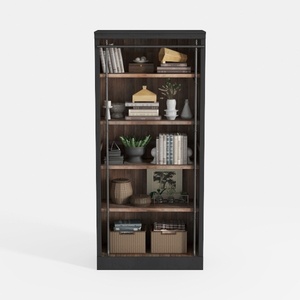
Industrial Solid Wood Metal Bookshelf Storage Display 3D Model
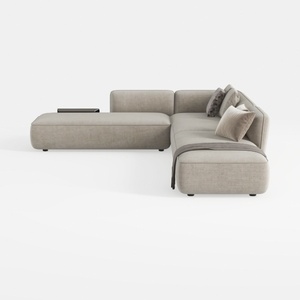
Minimalist Fabric L Shaped Sectional Sofa with Throw Pillows 3D Model


Minimalist Solid Wood White Fabric Tufted Sofa 3D Model
Homestyler is your go-to online home design platform! With its user-friendly design tool, stunning 3D renderings, diverse design projects, and helpful video tutorials, it empowers you to easily visualize and create your dream home. Perfect for both beginners and enthusiasts!
Design Now for FREE
































