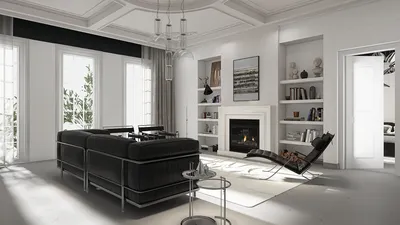


I once decided to transform an accent wall into a vibrant red feature after a client expressed their passion for dramatic designs. However, I realized too late that the sofa I selected matched that exact red, making the entire room resemble a giant strawberry. This mishap taught me invaluable lessons about balance, contrast, and moderation. In particular, working with smaller spaces requires a thoughtful approach: while one bold color can add energy, without careful planning, it can easily overwhelm the space.
1. Soft Grey Base with Bold Red Accents
I typically begin with a warm, soft grey for walls and floors, gradually incorporating red through carefully chosen accents such as throw pillows, a rug, or a statement armchair. This strategy ensures longevity: the grey provides a calming and adaptable backdrop, while the red remains an accent that can be updated seasonally. One challenge is selecting the right shade of red; be sure to test paint swatches in various lighting to find the perfect fit.
save pin
2. Red Leather Chairs with Industrial Grey Features
One of my favorite projects paired a striking red leather lounge chair with raw concrete-effect grey wallpaper and matte black shelving. The leather infuses warmth and creates a tactile contrast, while the industrial greys add depth and texture. This combination strikes a modern and inviting vibe, although it’s important to maintain the leather with a quick cleaning routine to keep it looking fresh.
save pin
3. Two-Tone Furniture: Grey Upholstery with Red Accents
I once suggested a two-tone sofa to a couple unable to choose between a bold statement and a neutral palette. With grey upholstery and subtle red piping or cushions, you can introduce personality without overwhelming the room. This solution provides a balance between the drama of red and the practicality of grey, though custom trims may slightly increase your budget.
save pin
4. Geometric Grey Patterns with Red Highlights
Incorporating patterned grey wallpaper or geometric grey area rugs with sporadic red details infuses movement and fascination into the space. I applied this technique in a compact living room to draw the eye upwards, giving the illusion of taller ceilings. Patterns can conceal wear effectively and offer flexibility, yet it's crucial to avoid mixing too many competing designs — select a dominant pattern and keep other elements straightforward.
save pin
5. Textured Layers: Luxurious Velvet Red + Cozy Grey Wool
Texture is the secret to creating a captivating ambiance. Deep red velvet brings a sense of luxury, meanwhile, wool or linen greys maintain a cozy feel. This combination works particularly well for clients who enjoy hosting, as textured fabrics are visually appealing and inviting. However, be aware that velvet requires more upkeep since it can easily show marks; consider using it for accent features rather than primary furniture pieces if you have pets or children.
If you're eager to experiment with layouts and color placements in your room, utilizing a professional 3D floor planner like Homestyler can help you visualize scale and sight lines before making any purchases. These tools can save you time and prevent costly design blunders while allowing you to efficiently position key pieces, such as a bold red sofa or area rug.
save pin
FAQ
Q: What shade of red pairs best with grey? A: Warm reds (like tomato or brick) complement warm greys, while cooler shades (such as berry or burgundy) work well with cool greys. Always test swatches in your room's lighting.
Q: How much red is suitable for a small living room? A: Generally, restrict red to 10–20% of visible surfaces in smaller spaces — this includes accents like a chair, or a rug — to prevent visual clutter.
Q: Can I paint red walls if I have grey furniture? A: Yes, but selecting muted red shades, such as terracotta or dusty rose for the walls will help keep the room feeling open.
Q: Are patterned greys challenging to maintain? A: Patterns can be forgiving in terms of wear; just choose durable materials and avoid overly intricate designs that could make the room feel chaotic.
Q: Can red be used in minimal or Scandinavian designs? A: Certainly—consider using muted reds as accents while keeping lines clean and accessories minimal to maintain the desired aesthetic.
Q: How do I balance warm and cool tones in a red and grey setup? A: Introduce a connecting element, such as warm wood or brass hardware, to seamlessly blend warm reds and cool greys together.
Q: What fabrics work best for red accents in homes with pets? A: Look for performance fabrics made from blended synthetics, as they are more resistant to stains and damage than velvet; opt for pet-friendly upholstery alternatives.
Q: Where can I realistically test 3D designs before renovating? A: Utilize professional layout and rendering software like Homestyler; many platforms provide templates to preview color choices and spatial arrangement.
save pin
Discover your creative potential with Homestyler! This user-friendly online home design platform offers a powerful design tool, stunning 3D renderings, and a wealth of inspiring design projects and DIY video tutorials. Transform your space effortlessly, no matter your experience level!
Zaprojektuj teraz za darmo
































