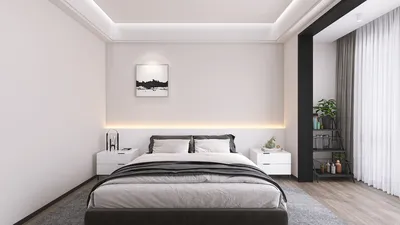


I once thought I could save time by omitting primer in a small rental bedroom, only to discover the hard way: my ‘fresh white’ paint became uneven after the first heat wave. This embarrassing mistake sparked a decade of experimentation with primers, and I now regard priming as a vital tool in my arsenal rather than just a tedious step — it provides perfect color, reduces the number of required coats, and leads to happier clients.
Small areas often inspire grand ideas, and priming painted walls is one of those subtle changes that can transform a space. In this article, I will share five design inspirations I implement in my projects, accompanied by practical advice, trade-offs, and budget-friendly alternatives. If you're looking for smart styling tips, I’ve applied these in real homes and compact apartments, and I can confirm they are effective.
1. Tint the primer to enhance coverage
Applying a light color over a darker wall can require three or four finish coats unless you tint the primer to match the topcoat shade. I frequently ask paint stores to mix a bit of color into the primer — this approach saves time and reduces the number of coats needed, which is beneficial when you're racing against the clock.
Advantage: fewer topcoats and more uniform color. Challenge: you need a good color match and occasionally a slightly pricier primer, but the labor savings usually make up for it.
save pin
2. Utilize bonding primer for gloss or challenging surfaces
In the past, a client wished to retain an old gloss-finished accent wall; sanding it down was out of the question. A bonding primer enabled me to paint directly over the glossy finish without risk of peeling later. It's a lifesaver for cabinets, trim, and surfaces where sanding is unfeasible.
Pro tip: ensure thorough cleaning beforehand — no primer can overcome dirt or grease. The additional cost per can is justified by the peace of mind it brings, allowing you to skip aggressive prep work.
save pin
3. Use stain-blocking primers for kitchens and homes with pets
Grease, nicotine, and pet stains are notorious for seeping through inexpensive paint. In problematic areas, I select a stain-blocking primer and usually achieve one perfect finish coat instead of two or three. This upfront expense pays off over time.
Minor drawback: some stain-blocking primers emit stronger odors, so be sure to ventilate the space and allocate extra drying time. I often visualize the area and plan to paint on a cool, dry day, which aids in proper primer curing — and when I visualize the layout in 3D, it makes planning the entire renovation simpler.
save pin
4. High-build primers for even textured or patched walls
If a wall has seen multiple patches or has uneven skim coats, a high-build primer helps level the surface and diminishes the necessity for heavy skim-coating. I’ve employed it in loft apartments where time was of the essence and the walls didn’t warrant complete replastering.
Ideal for budgets favoring cosmetic solutions over structural repairs. Be transparent with clients: it conceals flaws visually but won’t resolve structural problems, keeping expectations realistic.
save pin
5. Prime to adjust undertones — use colored primers strategically
At times, you may desire a warm white, but the wall appears cool due to nearby tiles or light. A slightly warm or cool tinted primer can shift the undertone and make the finish color appear more accurate. I often test this with a sample patch before fully committing to painting the entire room.
This technique is particularly valuable when focusing on kitchen flow and coordinating cabinets, countertops, and walls. It adds a minor cost but can prevent a complete repaint later if changes in light affect how a color is perceived.
save pin
FAQ
Q1: Is primer always necessary before painting?
Short answer: not always, but often. If you’re painting over a similar sheen and color with quality paint, you might skip it; otherwise, primer enhances adhesion and final appearance.
Q2: Can I use a single primer for every surface?
No — primers serve specific purposes: bonding primers, stain-blockers, and high-build primers each tackle different challenges. Select based on the surface and the issue at hand.
Q3: How long should primer dry before applying paint?
Most primers dry to the touch within 1–2 hours and can be recoated in 4–6 hours, but it’s essential to check the product’s label and allow extra time in humid or cooler conditions.
Q4: Is a tinted primer worth the extra cost?
Absolutely for many jobs: tinted primers reduce finish coats needed and provide a more precise final color, especially when covering darker or more vibrant hues.
Q5: Can you recommend any green/low-VOC primer products?
There are plenty of low-VOC choices from reputable brands; they perform well indoors and minimize odor. Review the product's technical details to select one that meets your preferences.
Q6: How can I manage glossy paint without sanding?
Utilize a quality bonding primer after thoroughly cleaning; it’s engineered to stick to slick surfaces and is a reliable shortcut when sanding isn’t feasible.
Q7: What primer do professionals rely on for stain blocking?
Experienced painters often prefer shellac-based or oil-based stain-blocking primers for severe stains; water-based options are suitable for milder issues. Sherwin-Williams and Benjamin Moore offer technical bulletins and data sheets recommending specific products for various stain types (consult Sherwin-Williams documentation for specifics).
Q8: Can priming influence the final sheen of paint?
Yes — primer can affect how evenly a final sheen appears by smoothing the surface. To achieve the truest sheen results, use a primer that is compatible with your chosen finish paint. Incorporating tools like Homestyler can also help visualize the effects before applying the final coat.
save pin
Homestyler is your go-to online home design platform, perfect for both novices and pros. With its user-friendly design tool, stunning 3D renderings, and a wealth of design projects and DIY video tutorials, transforming your space has never been easier or more inspiring!
Design Now for FREE
































