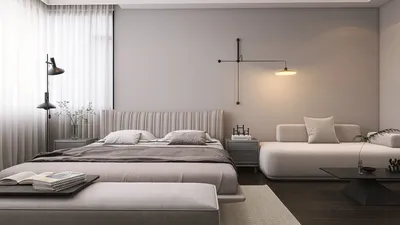


Peach exudes warmth without being overwhelming and softness without being overly sweet. When executed correctly, it sets the stage for a living room that invites conversation and fosters prolonged comfort. I often utilize peach as a transition between neutral shades and vibrant accents. Its underlying tone can be bright and fresh in daylight or exude a cozy ambiance in the evening; this versatility is influenced by the lighting and complementary colors used alongside it.
Lighting plays a pivotal role in design. Following the Illuminating Engineering Society's guidelines, ideal ambient lighting for living spaces is typically between 100–300 lux, while areas designated for tasks should have 300–500 lux for activities like reading. When peach is illuminated with warm-white lamps ranging from 2700K to 3000K, it appears richer and more inviting. Conversely, exposure to cooler light around 3500K to 4000K makes it appear clearer and more contemporary. The WELL v2 standards emphasize the importance of controlling glare and enhancing visual comfort through layered lighting solutions and high CRI sources for true color representation. I aim for a CRI rating exceeding 90 to ensure that the charm of peach remains potent.
To promote social interaction, seating arrangements positioned within 1.5 to 2.4 meters of one another are found to enhance communication, as supported by various workplace studies. Additionally, maintaining circulation paths of 900 to 1100 mm allows for smooth movement throughout the space. If you're experimenting with different layouts that highlight peach, utilizing a room layout tool can assist in visualizing seating arrangements, traffic flow, and focal walls prior to making permanent decisions.
Peach as a Base: Undertones and Proportions
Peach exists between coral and blush, featuring a soft yellow-orange essence. I begin by identifying its undertone: a peach with a pink tint pairs well with cooler companions like soft gray, stone, and pale teal, whereas an orange-leaning peach blends seamlessly with warm woods, terracotta, and brass. A helpful guideline is to let peach comprise 30-40% of the visual area (walls or large textiles), neutrals make up 40-50%, and accents should account for 10-20%. This approach maintains a serene atmosphere and helps avert color fatigue.
Effective Color Pairings with Peach
Soft gray tones help to desaturate the overall palette, making the inclusion of peach feel deliberate rather than overly sweet. Oak or ash flooring can elevate the scheme, while walnut introduces depth. Incorporate brushed brass or antique gold to reflect peach’s warmth.
Sage provides a low-chroma, calming contrast, perfect for serene living rooms, while cream-colored walls or drapery create smooth transitions, and matte black hardware adds a defined touch.
Navy serves as an anchoring color, adding weight to the room while showcasing peach accents—a feature chair, decorative pillows, or a painted alcove. Opt for off-white textiles woven with interesting textures to avoid a flat aesthetic.
For a cozy sunset feel, combine terracotta planters, burnished copper, and a solitary peach wall to create a unified look. Pair with natural linen and light tan leather to prevent color saturation.
Charcoal tones help avoid a pastel vibe, making them suitable for modern spaces. Employ it in a rug or media wall, complemented by pale timber shelves and a peach linen sofa throw.
Lighting Strategies for Peach Palettes
I recommend layering ambient lighting (such as recessed lights or cove lighting), task lighting (like floor lamps near seating), and accent lighting (like wall washers for art or textured walls). Maintain ambient lighting around 200–300 lux and ensure reading spots achieve 300–500 lux, using dimmers to adjust between 10-100% for shifting from bright daytime illumination to soft evening light. Shield light sources to minimize glare, and using a low-angle light on a textured peach wall enhances depth. Warm-dimming fixtures (from 3000K to as low as 2200K) enable peach to glow invitingly after sunset. For glare management and visual comfort, refer to WELL v2 guidelines and confirm illuminance levels against IES recommendations.
Materials and Finishes That Pair Well with Peach
Peach complements tactile fabrics and genuine materials beautifully. I favor bouclé or slubbed linen for cushions to catch the light, oak and beech for light wood tones, and rattan for its organic texture. Stone selections include honed travertine, crema marfil, or pale terrazzo featuring rose aggregates, while metals like brushed brass or champagne nickel offer warmth without becoming overpowering. For a more modern touch, powder-coated matte black in slim profiles can balance sweetness with structure.
Acoustic Comfort and Soft Surfaces
To ensure that conversations remain comfortable, soft surfaces are essential. A rug with a dense pile (≥2.5 kg/m²) beneath seating, lined curtains, and upholstered panels or fabric-printed canvases can significantly lessen sound reflection and mitigate echoes in rooms with hard flooring. Positioning high-back chairs against walls can disrupt flutter echo, and it’s best to avoid expansive glass areas without fabric treatments.
Ergonomics, Layout, and Flow
The ideal seat heights range between 430mm to 460mm and depths between 500mm and 560mm to accommodate most guests comfortably. Coffee tables should stand between 350mm and 450mm high, placed 450mm to 500mm away from sofa fronts for easy access. Clear pathways should maintain widths of 900 to 1100 mm, particularly around door openings and among seating clusters. For sectional planning or to evaluate a peach feature wall against natural light angles, employing a layout simulation tool can facilitate quick iterations and help check sightlines.
Feature Walls and Art Direction
A single peach wall positioned behind a sofa or surrounding a fireplace conveys intentionality. Integrate vertical design elements, like bookcases, slatted timber, or tall plants, so that the color feels open and vital. Art featuring blush, russet, and grounding dark tones (navy or charcoal) ensures cohesion throughout the space. If you prefer a subtler approach, painting window reveals or niches peach while leaving field walls off-white can offer a refined touch.
Color Psychology: The Impact of Peach on Mood
Peach resides within the warm color spectrum known for its associations with friendliness and approachability. Research consistently connects warm hues to feelings of warmth and sociability; a gentle peach can temper excitement compared to more saturated oranges. In homes where the living room also serves as a reading area, balancing peach with cooler accent colors (like sage or slate) can maintain focus without compromising warmth.
Daylight and Peach: Understanding Room Dynamics
Northern light tends to cool peach, so leaning towards warmer and richer shades is advisable. In contrast, southern and western light enhances warmth; consider using grayer peaches or offsetting with cooler textiles. Always test a 1 m² sample in two locations while observing it under morning, midday, and evening light—both with and without artificial lighting—before making final decisions.
Pattern and Texture Scaling
Incorporate medium-scale patterns (8-15 cm repeat) for rugs or curtains to complement peach’s softness; oversized geometric patterns can appear too graphic, while tiny patterns may create a cluttered feel. It's beneficial to mix matte with low-sheen surfaces: eggshell walls, honed stone, and brushed metals. Avoid using high-gloss peach on walls, as it can distort color perception and create glare.
Sustainability and Long-Term Care
Opt for low-VOC paints and durable, easy-to-clean textiles with high Martindale ratings (30,000+) suitable for family living areas. Natural fibers like linen and cotton-wool blends with removable covers help extend the lifespan of your furnishings. Keep peach elements in areas that allow for updates—like paint, cushions, and art—while ensuring major pieces (such as sofas and storage units) remain in neutral tones for durability.
Mood-Based Quick Color Combinations
For a calm and airy atmosphere: combine peach with cream, sage, and pale beech. For a warm and social vibe: pair peach with terracotta, brass, and linen. For a modern and grounded setting: use peach alongside charcoal, oak, and matte black. For a coastal ambiance: mix peach with sand, soft gray-blue, and rattan. For a minimalistic softness: blend grayed peach, bone, and graphite accents.
Frequently Asked Questions
Warm-white lighting in the 2700K to 3000K range enhances the warmth of peach during the evening. For daytime clarity, a color temperature of 3500K with a high CRI (90+) maintains accurate color representation. Ensure ambient lighting levels stay around 200–300 lux while reading zones achieve 300–500 lux in accordance with IES guidance.
Ground the design with accents in charcoal, navy, or matte black. Incorporate structured forms (like grid shelving or linear lamps) and select textured neutrals instead of glossy pastels. Choose materials such as brushed brass instead of polished gold for a sophisticated appearance.
Opt for off-white hues blended with a hint of gray, soft greige, or pale stone. Avoid stark white, as it may intensify peach's saturation and create a harsh contrast.
Absolutely—green effectively serves as a balancing color. Choosing gentle sage or olive tones along with botanical prints featuring softened contours can prevent overwhelming visual contrast.
Indeed, especially with lighter, grayer variants. Ensure that ceilings and trims are lighter than the walls, employ mirrors opposite windows, and limit heavy patterns to one or two standout pieces.
Combine linen, bouclé, and cotton-wool blends in creamy and stony shades. Incorporate a darker anchor—like charcoal or navy—through a rug or throw for balance. Prioritize durable, easy-to-clean weaves with reliable Martindale ratings.
Sage, mineral blue, clay terracotta, champagne nickel, and soft graphite colors are both contemporary and timeless. Pair with light woods and warm-dim lighting for an inviting evening glow.
If you're comfortable with a commitment to color, a single feature wall behind the sofa can be impactful. Otherwise, start with cushions, artwork, and drapery bands; observe how sunlight alters the hue before making a decision on paint.
Maintain a seating arrangement where chairs are 1.5 to 2.4 meters apart and ensure 900 to 1100 mm wide paths for easy navigation. Place lamps at the outskirts of seating clusters to prevent glare in sightlines. A room design visualization tool can assist in trialing different options effectively.
Discover your inner designer with Homestyler! This user-friendly online platform offers a powerful design tool, stunning 3D renderings, and an array of inspiring design projects. Plus, with DIY video tutorials at your fingertips, transforming your space has never been easier. Start creating your dream home today!
Design jetzt kostenlos
































