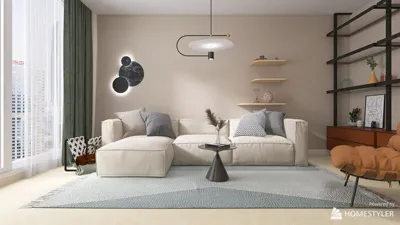


During a previous job, I encountered a homeowner who desired to have her living room echo the hue of "her grandmother's cherished blue teacup." I dedicated an afternoon to experimenting with paint swatches, examining photographs, and referencing that small teacup, ultimately realizing that lighting conditions and undertones often override nostalgic memories. To alleviate potential disappointments, utilizing tools like Homestyler for 3D paint visualization can be incredibly beneficial before making a commitment.
Creating a captivating atmosphere in small spaces often ignites significant creativity. One vital detail that contributes to this effect is the careful selection of paint colors on walls, making a space feel thoughtfully designed. In this article, I'll provide five practical inspirations based on my experiences — quick tests, real-world examples, and the minor compromises you may encounter along the way.
1. Observe real swatches throughout the day
I consistently request physical paint swatches and apply sizable sample patches directly onto the walls, rather than relying solely on the paint card. A single color might appear warm at dawn but take on a greenish hue under evening lamps; thus, it's essential to observe the changes from sunrise to midday and under your usual nighttime lighting.
Advantage: you sidestep unforeseen surprises. Downside: it consumes time, but dedicating just five minutes for observation can prevent weeks of regret.
save pin
2. Select a neutral base and build upon it
When in doubt, choose a dependable neutral color for the predominant surfaces and infuse character with an accent wall or trim shade. Neutrals help to mask any undertone clashes and allow the final decision to be guided by furniture and textiles.
Tip: I once revitalized a compact studio by painting the ceiling a warmer neutral, achieving a cozier ambiance without overshadowing the artwork on the walls.
save pin
3. Align colors with materials, beyond mere imagination
Examine the main materials in the space—such as flooring, countertops, and upholstery—and sample paint colors adjacent to them. I often encourage clients to bring along an item or a picture for context; frequently, the most suitable color harmonizes well with wood or tile.
For kitchens, testing paint colors alongside cabinetry and countertops is wise, since unexpected clashes can only reveal themselves during regular use.
save pin
4. Implement the 60-30-10 color balance guideline
Designate one color for about 60% of the area (walls), a second for 30% (upholstered pieces or large furniture), and an accent for 10% (such as pillows or a single wall). This straightforward ratio prevents a chaotic palette, making color matching decisions significantly easier.
Challenge: in smaller spaces, percentages may skew; consider subtracting visually or adding texture rather than introducing more colors.
save pin
5. Acknowledge undertones and select the appropriate sheen
Two paints labeled "warm gray" may appear quite distinct due to their undertones—whether green, pink, or purple. It’s vital to compare swatches side by side and review them under both natural and artificial lighting; then, choose the sheen: matte can obscure imperfections, satin is both forgiving and washable, while semi-gloss accentuates trim.
When stakeholders need a visual representation of a final outcome, I often utilize tools like Homestyler to create quick, realistic renders demonstrating how sheen and color interplay under typical lighting conditions; it's surprisingly effective in persuading decisions.
save pin
FAQ
Q1: What’s the quickest method to match paint color on a wall? Apply a substantial sample patch on the wall and observe it throughout the day. Although photos can assist, nothing surpasses in-room examination.
Q2: Is it possible to match paint color from a photograph? Photos can serve as initial references, but they are affected by camera settings and lighting conditions; use them to narrow choices and confirm with tangible swatches.
Q3: How do undertones play a role in color matching? Undertones dictate whether a color appears warm or cool; it's crucial to compare swatches against adjacent surfaces to determine which undertone blends best.
Q4: Is sheen significant when matching colors? Absolutely — the sheen influences light reflection and may enhance or lessen a color. Testing the actual finish (matte, satin, semi-gloss) prior to final painting is advisable.
Q5: How can I coordinate paint with existing materials like wooden floors? Bring a small sample or photo and evaluate swatches beside the material under your lighting; coordinating with materials fosters cohesion and minimizes clash risks.
Q6: What if I require a professional's insight? A color consultation or a brief mockup by a designer can be invaluable; professionals are often adept at identifying undertone conflicts and lighting challenges you may overlook.
Q7: Are there established rules to adhere to? Yes — paint brands such as Sherwin-Williams provide guidelines on swatch testing and understanding undertones (see Sherwin-Williams color resources at https://www.sherwin-williams.com for comprehensive advice).
Q8: Can I easily reverse a poor color match? It depends on the color and sheen; lighter colors applied over dark ones require multiple coats and glossy finishes demand additional preparation. If you anticipate needing rework, plan for touch-ups or subsequent layers.
Homestyler is your go-to online platform for transforming home design dreams into reality. Its user-friendly design tool, stunning 3D renderings, and a wealth of DIY video tutorials empower you to create beautiful spaces effortlessly. Start your design journey today!
Concevez maintenant gratuitement
































