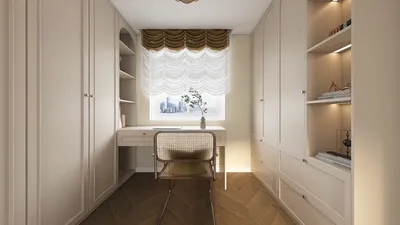


The color orange is known for its considerable influence on interior spaces—bringing warmth, optimism, and an element of playful confidence. Incorporating orange into a room can elevate moods, encourage social interactions, and design a distinctive focal point without overwhelming the senses. The key is to balance the saturation, lighting, and material contrasts, creating a refined atmosphere rather than a chaotic one. Tools like Homestyler can help visualize these effects effectively.
Research in color psychology consistently correlates warm shades with positive emotions and enhanced social interaction. According to Verywell Mind, orange symbolizes enthusiasm and creativity, making environments feel more inviting rather than overly formal. In studies conducted by Steelcase, environments that promote emotional well-being have shown a correlation with heightened engagement and minimized distractions, with color and sensory factors playing a significant role in perceived comfort. The WELL Building Standard (WELL v2) provides broader insights into creating human-centric environments, highlighting important aspects such as lighting quality, glare management, and visual comfort, which are essential when utilizing bold colors like orange. More information can be found via WELL v2 and Steelcase Research.
The scale of color application is crucial. In living areas, a mid-tone pumpkin accent wall works beautifully with taupe or soft gray furnishings; the neutral backdrop anchors the vibrant hue while orange introduces a rhythmic element. In smaller bedrooms, a soft apricot or peach accent behind the headboard channels the warmth of a sunrise without overwhelming the senses, aiding in a peaceful circadian rhythm when paired with warm-white lighting around 2700–3000K as suggested by IES for residential settings. Multi-use spaces benefit from a layered color approach—incorporating terracotta textiles, cedar wood, and ecru walls adds depth and tactile comfort.
Establishing Your Orange Color Scheme: From Subdued to Bold
I begin with a structured palette: muted tones (apricot, peach, terracotta), mid tones (pumpkin, persimmon), and bold hues (tangerine, saffron). Muted colors should dominate larger surfaces, while mid and bold shades are reserved for furniture, artwork, and millwork. The ideal balance is a 60/30/10 ratio—60% neutral base (such as warm whites, oatmeal, greige), 30% complementary colors (like olive, deep navy, or charcoal), and 10% bursts of orange to maintain visual harmony.
Lighting That Enhances Orange
Orange flourishes under warm correlated color temperatures. For ambient lighting, I recommend 2700–3000K and use 3000–3500K for task lighting to ensure clarity without washing out the color. Glare management is critical—implement shielded sconces, matte finishes, and layered light sources to minimize harsh highlights. WELL v2 guidelines advocate for good lighting practices including flicker control and visual comfort metrics, and IES recommendations can assist in adjusting the illuminance so that orange appears inviting rather than stark.
Living Room: Inviting Warmth
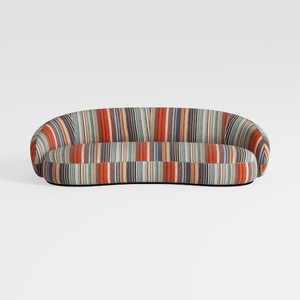
A tangerine-lacquered media section can centralize the seating arrangement, while a rust-hued rug guides movement within the space. I prefer rounded furniture designs—like curved sofas and drum tables—that mirror the playful energy of orange. If you're planning a layout overhaul, utilizing a room layout tool can effectively help you assess furniture spacing, focal points, and traffic patterns before making permanent changes such as paint or upholstery.
Bedroom: Soothing Citrus
In bedrooms intended for rest, keep the orange tones gentle and textured—think linen duvet covers in peach, terracotta pillow shams, and pumpkin-piped suede headboards. Merge with muted blues or sage to create a calming palette. Dimmable, warm LEDs support evening relaxation, while clay-toned blackout curtains ward off morning light.
Dining Room: Stimulating Appetite and Atmosphere
Orange is traditionally known to stimulate appetite. I often incorporate saffron slipcovers or persimmon light fixtures above dining tables, complemented by walnut and matte ceramic elements. Acoustic comfort is crucial—adding a wool runner and upholstered chairs mitigates noise, fostering intimate conversations.
Home Office: Optimism for Focus
In workspace design, utilize orange effectively—installing persimmon storage or a singular tangerine office chair—while grounding the area with graphite and ash wood tones. According to Steelcase research on cognitive load, reducing visual clutter enhances focus; it's advisable to limit competing accents within your line of sight. Ensure a consistent luminance contrast across the desk space to alleviate fatigue.
Children's Rooms: Fun Yet Organized
Bold orange can bring joy to playrooms when applied thoughtfully. Creating distinct areas with block colors—apricot for reading nooks, tangerine for creativity stations—helps clarify activity zones. Use durable, low-VOC paints and easily washable cotton rugs to simplify maintenance.
Textures That Elevate Orange
Orange pairs well with a variety of textures. Consider incorporating terracotta tiles, rift-cut oak, patinated brass, and boucle fabrics. In kitchen settings, zellige tiles in earth tones with saffron grout add character. Use matte or eggshell paint finishes to minimize glare; gloss should serve as an accent, not the primary finish. For countertops, creamy quartz can help balance out bold cabinetry colors.
Counterbalance with Cooler Neutrals
To prevent overwhelming warmth, introduce some cooler accents: deep navy cabinetry, charcoal stone features, or powder-coated black frames. These cooler elements help temper the orange, allowing for a sharper silhouette and enhancing the overall spatial flow.
Pattern and Art Curation
Geometric designs in rust and ivory can help unify different areas within a room. Abstract artwork limited to an orange color spectrum can serve as a focal point, while using simple frames in blackened steel or oak will keep the look streamlined. In smaller rooms, opt for finer prints to avoid visual congestion.
Sustainability and Health Considerations
I prioritize low-VOC finishes, natural materials, and FSC-certified wood products. Integrating natural light with adjustable shading ensures that the orange hue adapts beautifully from morning to evening—this versatility contributes to its charm and supports environmental cues for comfort.
Practical Execution Strategies
Test paint swatches on multiple walls and observe their appearance during different times of the day, such as morning, noon, and evening. Adjust the paint sheen to match the surface conditions; flatter finishes can help conceal imperfections. Set up lighting to preview the final paint colors so that color rendering aligns with the intended atmosphere.
Frequently Asked Questions
Soft apricot and peach shades maintain high reflectivity without causing visual overwhelm. They pair well with warm whites and a single deep accent (such as navy or charcoal) to define boundaries.
Manage saturation and sheen appropriately, incorporate cooler anchors, and adhere to a 60/30/10 color ratio. Utilize warm, dimmable lighting and matte textures to mitigate glare.
Absolutely—soft tones and textured fabrics can definitely work. Keep your lighting at 2700–3000K for a calm evening ambiance and avoid high-gloss finishes behind the bed.
Colors like olive, navy, charcoal, ecru, and walnut provide a stable base that preserves the vibrancy of orange.
Warm colors such as orange are associated with enthusiasm and social connection in color psychology. When used thoughtfully, they can enhance energy without increasing visual clutter.
Ambient lighting should be set at 2700–3000K, task lighting at 3000–3500K, ensuring proper glare control and excellent color rendering. Follow WELL v2 visual comfort recommendations and IES practices for optimal results.
Limit accent colors in your immediate surroundings—focal points like a storage chair or single wall—so the cognitive load remains low. Balance with neutral hues and maintain consistent brightness across the area.
Materials such as terracotta, oak, walnut, patinated brass, boucle textures, and matte ceramics enrich the space and avoid looking cheap or overly reflective.
Yes—employing one bold element (such as a saffron-colored pendant light or tangerine nook) against clean lines and subtle textures can create a striking visual impact.
Use textiles, wall art, lampshades, and removable decals to bring colors to life. Items like a rust-colored rug or persimmon throw can instantly alter the mood.
Incorporate soft textures—wool rugs, plush seating, and acoustic panels—so that vibrant colors don’t overwhelm the sensory experience.



Homestyler is your go-to online home design platform, perfect for all skill levels. With a user-friendly design tool, stunning 3D renderings, and inspiring DIY video tutorials, you can effortlessly create and visualize beautiful spaces. Transform your home design dreams into reality today!
Zaprojektuj teraz za darmo
































