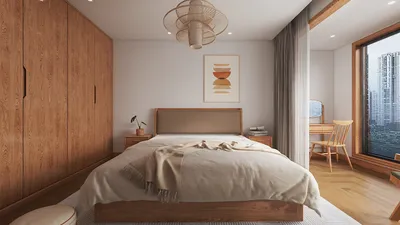


I often recall a project where a client asked for "the whitest white achievable" in their compact north-facing room. Despite my warnings about its flat appearance, they insisted, and when the paint dried, we were both stunned by the result. This experience taught me to appreciate the nuances of light and undertones, prompting me to maintain a design case study folder featuring before-and-after images for quick inspiration.
1. Cozy Versatility with Warm Greige
I frequently suggest warm greige as it appears beige in gentle lighting while taking on a gray hue in brighter spaces, making it highly adaptable across seasons. It pairs beautifully with natural wood and brass, but be cautious with yellow undertones, which can quickly feel outdated; always test samples under different lighting conditions.
save pin
2. Soft Taupe for Grounded Living Spaces
Soft taupe offers a subtle richness that doesn’t darken spaces, making it ideal for living areas where a cozy atmosphere is desired. It complements textured fabrics well, but caution is needed as some taupes may appear muddy; keep samples alongside your upholstery to ensure a harmonious match.
save pin
3. Modern Calm with Pale Warm Gray
For clients seeking a contemporary yet inviting feel, pale warm grays are my top choice. They beautifully reflect daylight and allow accent colors to stand out, although they can appear cool in dim light — introducing warm lighting or wooden features can remedy this.
When crafting a complete layout, I like to visualize how colors interact with the room's architecture; tools like Homestyler allow clients to see how colors fit within their design before committing to large quantities.
save pin
4. Airy Appeal with Creamy Off-White
Creamy off-white is an excellent choice for brightening small areas without the clinical appearance of pure white. It’s cost-effective and pairs well with trim, although it may yellow in sunlit rooms — opt for a low-amber formula if the sunlight is intense.
save pin
5. Subtle Coolness with Muted Greige-Blue
For those wanting a neutral with a touch of coolness, muted greige-blue offers tranquility without being cold, making it ideal for bedrooms. The challenge lies in coordinating warm furniture; incorporating wooden or leather pieces usually restores the balance.
save pin
Practical Insights from My Projects
I recommend using 2x2-foot test patches on various walls, observing their appearance in morning and evening light. I tape sample cards against fabrics and take photos under the room's conventional lighting — this practice minimizes surprises and paint waste.
In kitchens, I often advise selecting a neutral that harmonizes with cabinetry or stone; one project I completed paired warm greige with soapstone counters, resulting in a tranquil and cohesive look.
save pin
Frequently Asked Questions
Q1: What are some of the most reliable neutral paint colors?
A: Warm greige, soft taupe, pale warm gray, creamy off-white, and muted greige-blues are all versatile favorites. It’s crucial to test them in your specific lighting to confirm their undertones.
Q2: How do undertones influence neutral colors?
A: Undertones such as yellow, pink, blue, or green can change how a neutral color interacts with light and materials; a swatch might appear warm in the morning sun but cool in artificial light.
Q3: Can neutral colors create an illusion of a larger space?
A: Indeed — lighter neutrals paired with low contrast between walls, trim, and ceilings can make a space feel more expansive. Utilizing a single color family enhances cohesion.
Q4: Should I consider pure white as a neutral option?
A: Pure white can be effective but often looks stark; I prefer off-whites or whites infused with subtle undertones to create warmth and mask imperfections.
Q5: How do I choose a neutral for north-facing rooms?
A: Opt for warmer neutrals like warm greige or creamy off-white to counteract the cooler natural light; be sure to test samples around noon and in the evening for the best results.
Q6: What are the emerging neutral trends?
A: Warm greiges and rich, earthy neutrals continue to trend; insights from paint manufacturers and trend reports (like Sherwin-Williams) indicate a move toward comforting tones.
Q7: Can I combine neutrals with bold accent colors?
A: Absolutely — neutrals provide a serene backdrop, allowing an accent wall, artwork, or furniture to take the spotlight without overwhelming the space.
Q8: How many neutral shades should I incorporate in one room?
A: I typically recommend limiting it to 2–3 related neutrals (for walls, trim, and one feature) to maintain depth without visual clutter; contrast can be achieved through texture instead of multiple hues.
save pin
Homestyler is your go-to online home design platform! With its easy-to-use design tool, stunning 3D renderings, a plethora of design projects, and helpful DIY video tutorials, you can effortlessly transform your space and unleash your creativity. Perfect for all skill levels!
Design Now for FREE
































