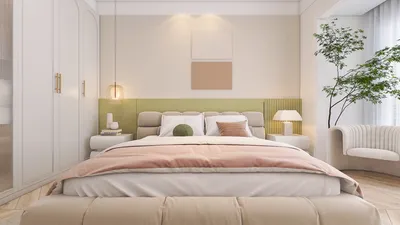


I've always admired how mosaic walls transform simple surfaces into engaging tactile stories, with each small piece contributing to a larger composition. A thoughtfully designed mosaic can be the centerpiece of a living room, inject rhythm into a hallway, or serve as a peaceful focal point in a bathroom. The visual appeal extends beyond mere aesthetics; careful consideration of color, lighting, and proportions can differentiate between a chaotic collage and a strikingly cohesive statement, enhancing your space with the design potential of tools like Homestyler.
Design Intelligence: Color, Light, and Human Comfort
The selection of colors plays a significant role in influencing mood. According to a color psychology overview by Verywell Mind, blues are frequently linked to calmness, whereas vibrant shades like reds and oranges are seen as invigorating and social. My experience with clients reflects this: cool color schemes minimize visual distraction in smaller areas, while warm tones energize expansive walls. Lighting is equally crucial; the IES recommends that task areas achieve about 300–500 lux, while accent lighting for wall features should range closer to 150–300 lux—these levels can highlight textures without overwhelming glare. Ensuring a consistent color temperature between 2700–3500K creates warmth in residential spaces, preventing tiles from shifting colors unexpectedly.
Acoustic comfort is another important factor. Mosaics tend to reflect sound, but combining them with soft furnishings or nearby absorptive panels can mitigate harsh acoustics, especially in kitchens and hallways where hard surfaces dominate. For ergonomic purposes, focus on eye-level focal points set between 48–62 inches off the ground; this height is comfortable for most adults and ensures the mosaic is appreciated during daily use.
Planning the Composition
A mosaic should ideally have a defined hierarchy: a primary motif, secondary patterns that support it, and ample breathing space. I often sketch several versions—dense, moderate, and airy—and evaluate their visual rhythm on the wall. In spaces with doors, windows, and alcoves, utilizing a room layout tool can be beneficial. It allows you to visualize sightlines and spacing before you make any permanent decisions, making the integration of designs like Homestyler easier.
Material Palette: Glass, Ceramic, Stone, and Sustainable Options
Different materials bring their own personality to a mosaic project. Glass mosaics come alive under focused lighting and enhance color brilliance; ceramic tiles offer a variety of finishes from matte to crackle, making them perfect for kitchens and bathrooms; and stone adds natural texture that improves with age. For an eco-friendly approach, consider recycled glass fragments or reclaimed ceramic sheets; numerous suppliers now provide post-consumer content tiles that retain a high-end look and durability. When choosing tile for areas exposed to sunlight, opt for UV-resistant pigments and sealers to prevent fading. In wet zones, it is essential to ensure that the tile, adhesive, and grout are appropriate for use in showers; epoxy grout is particularly effective against moisture and staining.
Techniques: Classic Grid, Freeform, and Modern Gradients
• Uniform Grid: This style is neat and contemporary. Maintain a consistent joint width (typically between 1/16 and 1/8 inch) for a polished appearance.
• Freeform Collage: Break sheets into organic clusters, allowing them to flow around a central motif. I often soften transitions by using smaller tesserae to feather the edges.
• Gradient Wash: Mitigate two to four shades transitioning from dark to light. Start with the base color at eye level and gradually lightening towards the ceiling—this technique visually extends shorter walls.
• Micro-Motif Repeats: Incorporate tiny symbols or geometric cuts repeated in a loose pattern for an element of fun without overwhelming the space.
• Inlay Lines: Use fine metallic or stone strips to frame busy areas, adding a refined edge to the overall design.
Color Strategy: Balancing Energy and Calm
I develop color schemes using one dominant shade (60%), a secondary support color (30%), and an accent tone (10%). Pairing warm and cool contrasts keeps designs vibrant: think teal with rust, sage with brass, or charcoal with pearl. If your space already has strong colors—such as a navy sofa—reflect that hue in approximately 10–15% of the mosaic to create cohesion throughout. In smaller areas, opt for lighter shades and low-contrast transitions; high-contrast mosaics are better suited for larger walls or staircases where the visual flow can settle between views.
Lighting the Mosaic: Wash, Grazing, and Glare Control
Wall washers provide an even illumination that's perfect for grids and gradients. Grazing fixtures, positioned 6–12 inches from the wall and angled downwards, will enhance the texture—this is particularly effective for stone or textured ceramics. Implement dimmers to adjust brightness from day to night seamlessly. To reduce glare on shiny glass tiles, angle lighting to minimize direct reflections and ensure mixed color temperatures aren’t used on the same wall; even a 500K difference can distort perceived hues.
Surface Prep, Adhesives, and Grout
Successful installations commence with a flat, clean, and primed substrate. If you're working with uneven brick or plaster, applying a skim coat can help level the surface. For most ceramic and stone tiles, choose a cement-based thinset; for glass tiles, consult the manufacturer's guidance for a compatible white thinset that preserves clarity in colors. The aesthetic is also affected by grout width—narrow joints impart a refined look, while wider joints can emphasize patterns. Matching grout color closely with the tile promotes unity; contrasting colors can create a graphic impact. Seal porous stones and unglazed ceramics before and after grouting to prevent staining.
Layouts for Different Rooms
• Living Rooms: Position the mosaic behind seating areas at 48–62 inches, eye level. If you’re balancing art, shelving, and a TV, use an interior layout planner to position elements without overcrowding, maintaining the mosaic as the focal point. Explore this room design visualization tool for clarity: a room layout tool.
• Kitchens: Backsplashes benefit from durable ceramic or glass materials; ensuring tight joints simplifies maintenance. Limit the color palette to two or three hues for a harmonious prep space.
• Bathrooms: Choosing moisture-rated materials and epoxy grout is essential. Soft gradient shades in cool colors create a tranquil spa-like atmosphere.
• Entryways and Hallways: Bold patterns thrive here; combine with a subtle runner and acoustic panels to manage sound.
• Children’s Rooms: Consider using rounded edges and matte finishes; opt for non-toxic adhesives and sealers.
Scale, Rhythm, and Visual Balance
Human perception is drawn to distinct rhythm. I stagger tile sizes in 1:2 ratios—small tesserae paired with larger modules—to preserve interest. Larger pieces establish structure, while smaller tiles provide detailing. Allow for negative space around focal motifs; a buffer of 6–10 inches often feels cleaner than crowding patterns to the edge. When walls turn corners, continue the design with a simplified motif to keep continuity without visual confusion.
Storage, Cutting, and Safety
Store tiles flat and sort them by color prior to starting. A quality tile cutter or nipper ensures clean edges; sand down sharp cuts, particularly in children's areas. Always use eye protection and a dust mask when cutting tiles, and ensure ventilation when working with solvent-based sealers.
Budget-Friendly Approaches
Mix premium accent tiles with more affordable base tiles; incorporating a 10–20% premium mix adds richness without escalating costs. Reuse offcuts for borders and micro-motifs. If pressed for time, consider mounting the mosaic onto mesh sheets for easier installation like standard tile panels.
Maintenance and Longevity
Keep glass and glazed ceramic tiles clean using a non-abrasive cleaner; avoid acidic solutions on natural stone surfaces. Reseal porous materials annually. If any tiles chip, having a small reserve of extras along with tinted epoxy allows for quick repairs.
Inspirations: Nature, Geometry, and Cultural Patterns
Nature-inspired gradients, such as transitioning ocean and shore blues, geometric patterns, or subtle cultural motifs can inform the narrative of a mosaic. For a focused concept, I typically select three references—one for color scheme, one for pattern, and another for ambiance—ensuring the design remains cohesive.
FAQ
Q1: How bright should the lighting be to showcase a mosaic wall?
A: Target around 150–300 lux of accent lighting for optimal texture display, per IES recommendations for surfaces. Employ dimmers to adapt to varying light throughout the day.
Q2: What color temperatures are most effective?
A: A 2700–3000K color temperature creates a warm and welcoming home environment, while 3500K offers a clean edge without appearing cold. Maintain consistent fixture temperatures on the wall to preserve color fidelity.
Q3: Which tile materials are most durable for kitchens and bathrooms?
A: Glazed ceramic and glass tiles provide resistance against stains and moisture. Pair them with epoxy grout in wet areas for durability and ease of maintenance.
Q4: How can I prevent a mosaic from appearing overly busy?
A: Establish one dominant motif, restrict the palette to two or three primary colors, and keep negative space around focal elements. Implementing a 60/30/10 color ratio can also achieve balance.
Q5: Can mosaics aid or hinder room acoustics?
A: Hard mosaics are sound reflective; to reduce echo, pair them with rugs, curtains, or nearby acoustic panels, especially in corridors and kitchens.
Q6: What is the optimal height for a focal band?
A: Aim to maintain key visuals at 48–62 inches from the floor for comfortable viewing in most homes. Adjust as necessary based on seating height and ceiling height.
Q7: How do I organize the layout around doors, windows, and art?
A: Pre-visualizing with a room layout tool can help map sightlines and clearances, ensuring that the mosaic retains its position as the main focus without overcrowding other elements.
Q8: Are recycled materials suitable for mosaic walls?
A: Absolutely—recycled glass and reclaimed ceramics can provide a high-end look while supporting sustainability initiatives. Just confirm that adhesives and grouts are compatible with your chosen materials.
Q9: What grout color should I select?
A: Grout should ideally match the tile for a cohesive appearance; consider contrasting grout to highlight the mosaic pattern. Narrow joints (1/16–1/8 inch) look refined, while wider joints create a more graphic effect.
Q10: How should I approach corners and transitions?
A: Simplifying motifs at corners and wrapping designs with consistent joint spacing can maintain visual integrity. Thin inlay strips serve as a clean way to handle transitions.
Q11: Is it possible to install mosaics over textured plaster or brick?
A: Yes, prepare the surface by skim-coating it to achieve flatness, then prime before applying tiles. This method prevents lippage and ensures clean grout lines.
Q12: What strategies can I utilize to manage glare on glossy glass tiles?
A: Positioning fixtures to graze rather than directly light the wall helps to minimize glare, and keeping color temperatures consistent aids in avoiding harsh reflections.
Homestyler is your go-to online home design platform, perfect for bringing your vision to life! With its user-friendly design tool, stunning 3D renderings, diverse design projects, and helpful DIY video tutorials, transforming your space has never been easier or more enjoyable.
Diseño ahora GRATIS
































