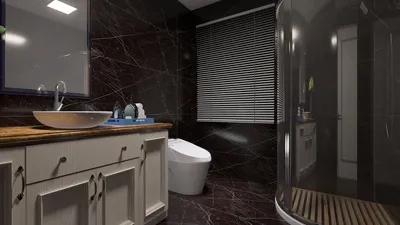


For over ten years, I have utilized mirrors to enhance dimly lit spaces, create a sense of spaciousness, and introduce flow into corridors and living areas. A thoughtfully designed mirror wall not only offers reflection but also changes the atmosphere of a room, facilitates movement, and increases natural light. The Illuminating Engineering Society (IES) suggests that the preferred ambient light level for living areas is typically around 100 to 300 lux; mirrors, when strategically placed, can significantly boost the perception of light by spreading the available illumination, enhancing visual comfort, especially when glare is managed. Research from Gensler highlights that access to natural light is a major factor influencing user satisfaction in workspaces; placing mirrors near windows allows daylight to reach further into a layout, improving comfort while promoting energy efficiency.
The interplay of color and psychology is important as well. Studies on color psychology by Verywell Mind indicate that lighter shades can make spaces feel more open and uplift one’s mood; when mirrors are paired with light-colored walls, these effects are amplified. From an ergonomics perspective, WELL v2 standards advise on glare reduction: avoid placing mirrors directly opposite bright light sources and consider using matte finishes or subtle bevels to minimize reflections. Such careful choices enhance visual harmony and decrease eye fatigue, particularly in areas where individuals read, cook, or work.
Fundamental Planning: Dimensions, Arrangement, and Sightlines
Before you reach for adhesive strips and frames, it's essential to examine your sightlines. Consider what you wish to reflect—scenic views, artwork, greenery, or daylight? I steer clear of mirroring cluttered spaces or televisions unless aiming for an energetic ambiance. For pathways, mirrors should be positioned at 36 to 40 inches from the floor to prevent smudging and unintended contact. Remember the ratio: large mirrors generally appear balanced when they occupy 60 to 70% of the wall’s width in narrow hallways, while in living rooms, 40 to 60% tends to be more suitable to maintain negative space. To experiment with layouts, a simple room layout tool can help visualize reflection angles and movement patterns, including options like Homestyler.
Elegant Grid: Framed Mirror Tile Wall
Create a structured aesthetic by gridding a wall with 12x12 or 18x18 framed mirror tiles. I ensure equal gaps—typically 1/2 inch—between tiles to establish beautiful rhythm and play of shadows. This method is especially advantageous in windowless rooms as it boosts ambient light. Use low-iron glass for accurate color reflection and opt for a soft-brushed metal frame that minimizes glare. Make sure tiles align with a significant architectural feature (like a mantel or window frames) to achieve visual coherence.
Layered Design: Overlapping Mirrors
Incorporate two or three mirrors—one tall leaning piece with a medium-sized round mirror overlapping at the lower third. This approach introduces depth without the commitment of a full-wall mirror. Protect your floors with non-slip pads and use a discreet bracket to secure the leaning piece. I prefer a warm wood frame for more inviting bedrooms and a sleek black frame for modern living spaces. This design encourages a connection with nature: consider placing a plant where its reflection complements its greenery, enhancing the tranquil vibe.
Panel and Plinth: Full-Height Mirrored Panels
In compact entryways, consider full-height mirror panels mounted above a low plinth or console; this enhances verticality while providing a practical drop-off area. Maintain a distance of 2 to 4 inches from side walls to prevent corner distortion. If glare poses an issue, adjust panels by 2 to 3 degrees to direct reflections away from work areas. Acoustic comfort should also be a priority; in echo-prone spaces, balance the mirror wall with soft textiles like a runner or an upholstered bench to help absorb sound.
Antiqued Mirror Mosaics: Depth and Character
Antiqued mirrors add softness, conceal fingerprints, and introduce a rich texture to the decor. I balance these with smoother nearby surfaces, such as painted plaster or satin-finish millwork, to avoid overwhelming visual noise. A staggered mosaic design, instead of perfect grids, offers a more artisanal feel and pairs beautifully with vintage lighting. Limit the total mirrored area to 30-50% of the wall to avoid a gloomy atmosphere when using heavy patina.
Mirrored Niches: Aesthetic Function in Small Spaces
For cozy dining spaces, back a shallow niche with a mirror to amplify candlelight and enhance the style of table settings. In bathrooms, mirrored niches behind open shelves can achieve depth without requiring full mirrored walls. Use moisture-rated mirrors and seal edges against humidity. Position the niche to reflect a light fixture or a piece of art to create a thoughtfully designed focal point.
Continuous Flow: Mirrored Doors and Wardrobes
Installing mirrors on sliding doors or wardrobe fronts broadens the perceived width of a room. I ensure the mirrors are flush with surrounding finishes for a seamless appearance and align hardware with frame lines to keep everything tidy. If privacy or distractions are a concern, consider using bronze-tinted mirrors that soften reflections while still brightening the environment.
Organic Shapes: Soft Visual Rhythm
Round or oval mirrors can break the straight lines of modern interiors. I arrange three circular mirrors—one large and two smaller ones on the sides—set at eye level (approximately 57 to 60 inches from the ground) to create a welcoming rhythm down a hallway. Using contrasting frames, such as matte brass and painted wood, creates layers without overcrowding the composition.
Lighting Combinations: Sconces and Integrated LEDs
Ideally, mirrors should be paired with controlled lighting. Position vertical sconces at 24 to 28 inches from the edges of the mirror to prevent glare and ensure even illumination. Opt for 2700-3000K color temperatures in living rooms for warmth; in bathrooms, aim for 3000-3500K for clarity without harsh effects. Dimmable options are invaluable—IES highlights the importance of task-appropriate illumination, and dimmers allow for adjustments throughout the day while keeping reflections pleasant.
Installation and Safety: Essential Practices
Use appropriate anchors depending on your wall type—toggle bolts for lath and plaster, suitable expansion anchors for masonry, and stud mounting for heavier pieces. For homes with children, applying safety backing film on large mirrors reduces the risk of shards if breakage occurs. Opt for slightly beveled edges to lower the risk of chips and wear gloves during installation. If placing the mirror facing a staircase, ensure clearance for handrails and avoid setups that could cause disorientation during movement.
Material Choices and Eco-Friendliness
Select low-iron, lead-free glass with high reflectivity, and choose frames made from sustainably sourced wood or recycled metals. A satin finish will resist fingerprints better than glossy finishes. Mirrors can help reduce the need for additional fixtures, subtly leading to energy savings when daylight is maximized; however, always pair them with efficient LED lighting and mindful controls.
Styling and Practical Maintenance
Mirrors offer an opportunity for curation. In living spaces, position a mirror to reflect greenery or artwork rather than the backs of seating. In dining areas, use mirrors to bounce light off a pendant or table setup. To maintain cleanliness, use a microfiber cloth with a mild glass cleaner, avoiding ammonia near silver-backed mirrors to prevent damage. Refresh the reflected ambiance seasonally—incorporating branches in winter and lightweight grasses in summer can rejuvenate the mood without moving mirrors around.
Layout Experimentation and Prototyping
If uncertain about how a mirror will interact with your furniture and lighting, use painter’s tape to mark its intended size on the wall, observe it throughout the day, and note glare occurrences. A quick experimental simulation tool can assist in predicting angles, flow patterns, and focal alignment before making any permanent installations.
Frequently Asked Questions
Q1: What can I do to minimize glare when installing a mirror wall?
A: Avoid placing mirrors directly across from intense light fixtures or windows. Slightly angle mirrors, utilize dimmer switches, and select matte or brushed frames to mitigate glaring reflections. Pair with lights in the 2700-3000K range for living areas to ensure comfortable brightness levels.
Q2: What is the ideal height for mounting a large mirror?
A: Aim for 57 to 60 inches to center in living and gallery spaces. For vanities, position lighting at eye level and keep the mirror’s lower edge several inches above the backsplash to avoid water splashes.
Q3: Can mirrors contribute to the perception of larger rooms?
A: Absolutely, especially if they are used to reflect depth—doorways, windows, or extending sightlines. Ensure that clutter isn’t part of the reflection and use lighter wall colors to enhance this effect.
Q4: Are antiqued mirrors suitable for busy households?
A: They can be quite forgiving with fingerprints and provide tactile interest. Opt for well-sealed edges and quality backing; limit heavy patina to 30-50% of the wall space to prevent a darker atmosphere.
Q5: What type of lighting pairs best with mirrored walls?
A: Even vertical lighting setups (like sconces) and dimmable LED options are ideal. For bathrooms, aim for 3000-3500K color temperatures; in living spaces, keep them warm at 2700-3000K. Ensure uniform lighting to avoid creating harsh spots.
Q6: How can I safely mount heavy mirrors?
A: Securely attach them into wall studs whenever possible, using appropriate anchors for your wall material. For added safety, apply backing film and use beveled edges. In earthquake-prone areas, consider hardware designed to prevent tipping for leaning mirrors.
Q7: Do mirrored doors or closets make a space feel over-crowded?
A: They can if the reflections appear chaotic. Opt for bronze-tinted or gently smoked mirrors and ensure that handles and rails align with frame lines for a clean, subtle appearance.
Q8: How can I featured mirrors without amplifying sound?
A: Introduce soft furnishings nearby—such as rugs, curtains, upholstered furniture, or acoustic panels—to absorb sound. A ribbed wooden ceiling or fabric wall coverings can also help balance hard reflections.
Q9: Which frame materials are the most durable for mirrors?
A: Powder-coated metal offers corrosion resistance; sealed hardwoods like oak or walnut work well indoors. Choose satin finishes to reduce fingerprint visibility and glare.
Q10: What should I consider for sustainability with my mirrors?
A: Opt for low-iron, lead-free glass and responsibly sourced frames. Use mirrors to enhance daylight access, while also pairing them with efficient LED options and smart controls for optimized energy savings.
Homestyler is your go-to online home design platform, perfect for anyone looking to transform their space. With its user-friendly design tool, stunning 3D renderings, and a wealth of design projects and DIY video tutorials, you can easily turn your vision into reality. Start creating your dream home today!
立即免费设计
































