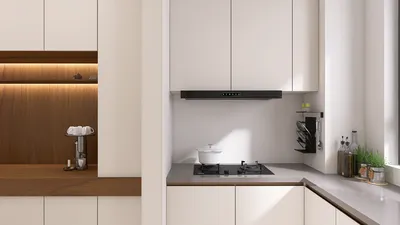


I once arrived at a client's residence intending to paint a living room and discovered they had opted for a high-gloss white on every surface — ceiling included. I still find it humorous (and slightly cringeworthy) to think about that shiny ceiling. Working in small spaces often leads to quicker decisions, which is why a bit of foresight can bring significant rewards. For instance, I frequently refer clients to a space planning case study when determining the best locations for paint application. While Lowes interior paint is a popular and accessible choice, factors like sheen, color temperature, and technique often outweigh brand preferences.
1. Select the appropriate sheen for the space
I typically recommend eggshell for living areas and satin for kitchens and bathrooms—different sheens influence light reflection and durability. Lower sheens mask imperfections but are less easy to clean; conversely, higher sheens clean well but highlight every flaw. Therefore, choosing based on wall condition and foot traffic is essential.
save pin
2. Opt for warm neutrals to enhance small rooms
Warm neutrals from Lowes' paint selections can transform tight spaces from feeling confined to being cozy. The trade-off is that warm tones tend to visually reduce the space more compared to cooler shades. To counter this, I often pair warm colors with lighter ceilings or trims, creating a more open atmosphere.
save pin
3. Implement an accent wall wisely
A strategically placed accent wall can add dimension without overwhelming a petite room; consider a richer hue behind your sofa or bed. For kitchen refreshes, remember that paint should align with the workflow: I often coordinate colors with cabinet arrangements and appliances, inspired by a kitchen workflow example to prevent clashes with finishes.
save pin
4. Think about finish combinations for trims and ceilings
Combining a matte finish on walls with a satin sheen on trim subtly enhances moldings—it’s a small yet impactful upgrade that conveys luxury. Painting ceilings a slightly lighter shade than walls can create an illusion of height; however, opting for overly bright whites may lead to stark contrasts that reveal imperfections.
save pin
5. Trial samples and visualize using 3D renders
While swatches are useful, 3D renderings can provide a clearer view of how colors interact with your furnishings and lighting. I've salvaged projects from potentially disastrous color selections by utilizing these previews first. If in doubt, employing a 3D finish preview allows you to see how sheen and light play together; it’s not foolproof but significantly reduces guesswork during the painting process.
save pin
FAQ
Q1: Is Lowes interior paint of good quality?
In my experience, Lowes interior paint provides reliable mid-range options with a solid selection of colors. For areas with high foot traffic, consider lines with enhanced durability or check product labels for cleanliness and VOC content information.
Q2: What sheen is ideal for living rooms?
Eggshell is generally the best choice for living rooms—it has a subtle sheen that hides imperfections better than flat finishes while still being easier to clean. Satin is more suitable for trim if you prefer a crisper, glossy edge.
Q3: How can I select paint colors for smaller spaces?
Opt for lighter shades to enlarge the feel of the room, adding one warmer or deeper accent color to inject personality without cramping the area. Always test larger samples on several walls, considering that natural light can alter color perceptions throughout the day.
Q4: How many coats of Lowes interior paint will I require?
Typically, mid-range paints necessitate two coats for uniform coverage, especially when transitioning between contrasting colors. Using a primer can decrease the number of color coats needed while enhancing adhesion, particularly after patching or when applying to new drywall.
Q5: Are Lowes paints low-VOC?
Certain lines of Lowes paint offer low-VOC or zero-VOC options—make sure to check the label for certifications. For individuals with sensitivities, opt for products explicitly marked as "low-VOC" and ensure adequate ventilation during application (source: Lowe's paint buying guide at https://www.lowes.com/n/buying-guide/paint-buying-guide).
Q6: Is it feasible to use a single paint for both walls and trim?
It is possible, but I prefer using different sheens: a flatter finish for walls and a glossier one for trim to ensure durability and ease of cleaning. If a unified appearance is desired, keep the color consistent and vary the finish for contrast instead.
Q7: How should I plan my budget for an interior painting project?
Factor in paint, primer, tools, and about 10-20% extra for touch-ups. Keep in mind that labor expenses can exceed material costs if you hire professionals, so evaluate the trade-off between DIY labor and achieving a flawless outcome—small errors can become noticeable under higher sheen finishes.
Q8: What common pitfalls should I steer clear of with interior paint?
Avoid skipping primer on patched or stained walls, steer clear of painting in direct sunlight that dries paints too quickly, and always test samples in your specific lighting. From experience, rushing the preparation process often leads to more time and money spent on corrections than taking it slow and methodical from the start.
save pin
Discover your perfect home design with Homestyler! This user-friendly online platform offers a powerful design tool, stunning 3D renderings, and a wealth of design projects and DIY video tutorials. Transform your space effortlessly and unleash your creativity today!
지금 무료로 디자인하세요
































