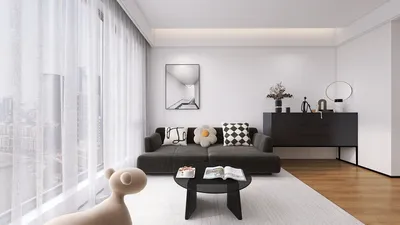


A long flower vase can transform the atmosphere of a living room almost instantaneously. Achieving the perfect effect requires careful attention to scale, placement, and lighting. The intention goes beyond mere decoration; it's about creating visual harmony, balance, and guiding the movement and gathering of people within the space. A tall vase serves as a vertical focal point, beautifully offsetting sofas, consoles, and low coffee tables, allowing the eye to find tranquility amidst the surroundings. Integrating tools like Homestyler can further enhance this process by enabling precise layout planning.
The first aspect I evaluate is proportion. Ideally, a long vase should adhere to the 1:1.6 to 1:2 height-to-furniture ratio to maintain balance. For instance, a vase measuring 24–32 inches complements a console between 30–36 inches tall. This alignment resonates with human perception: Research from Steelcase shows that well-proportioned focal elements contribute to a sense of order, promoting relaxation and ease in multipurpose spaces. Studies by Gensler also indicate that a clear visual hierarchy enhances a user's understanding of layout, making navigation intuitive.
Lighting is another critical factor. The Illuminating Engineering Society (IES) suggests an illumination range of 10–30 foot-candles for living spaces, but a vase arrangement radiates charm when lit separately at about 150–300 lux, preferably with 2700–3000K warm lighting that maintains the natural beauty of the flowers. Guidelines from WELL v2 advise against glare; I tend to avoid glossy ceramic vases positioned directly under harsh downlights to minimize hotspots. Instead, I prefer using angled wall washers or diffused lighting that softly illuminates the stems and textures, adding depth without causing visual discomfort.
Choosing the Right Long Vase: Scale, Form, and Intent
I start by defining the purpose of the vase: Does it serve to subtly frame the room or function as a conversation starter? Cylindrical designs provide a sense of calm, while fluted or asymmetrical shapes inject energy and movement. For compact living rooms (under 160 sq ft), I opt for slender silhouettes ranging from 18 to 26 inches to maintain space flow, whereas larger areas can accommodate vases between 28 and 40 inches, effectively positioning them beside media walls or in corners without overwhelming the seating arrangements.
It's crucial to consider spatial ratios: A tall vase should ideally have a base that is at least one-third its height to create a stable appearance, especially on plush rugs. If experimenting with positioning or circulation, utilizing a room layout tool like Homestyler can assist with visualizing sightlines and seating arrangements before making any final decisions.
Where to Place a Long Vase for Maximum Impact
Placement of the vase should align with the room's activity patterns. For primary traffic routes, the vase should sit 6 to 8 inches away from the main circulation path to avoid accidental bumps. Placing it in corners behind a sectional can also create a soft vertical rhythm, while consoles near entry points are perfect for making strong first impressions. I tend to steer clear of positioning tall vases directly behind low sofas unless there is an 8–10 inch height differential; this maintains a layered composition instead of cluttering the skyline.
For balance, using two identical long vases can frame features like fireplaces or art walls, but opting for asymmetry—such as one tall vase complemented by a shorter bowl or a stack of books—can often convey a more relaxed ambiance. Consider the vase as a rhythmic element in the room's visual composition; it sets the tempo, guiding the observer’s gaze from lower to upper heights and back.
Light Environment: Color Temperature, Glare, and Bloom Longevity
Warm-white light (2700–3000K) enhances soft shades like pinks, creams, and eucalyptus greens, while cooler lighting (3500–4000K) highlights whites and blues. Aim to keep the vertical illuminance on florals around 150–300 lux to capture details without overexposure. To manage glare effectively, position light fixtures with shielding angles above 30 degrees and use swing-arm designs so the beam gently grazes the vase rather than hitting it directly. If reflections are a concern on shiny surfaces, a matte vase or diffused lamps can help soften unwanted highlights.
To prolong the life of fresh arrangements, keep them away from direct sunlight and HVAC vents. A microenvironment near a shaded window with stable temperatures between 68 and 72°F and moderate humidity can enhance bloom longevity. In versatile living areas, low-UV glass and sheer curtains help maintain vibrant stems without premature fading.
Color Psychology: Selecting Palettes that Affect Mood
The selection of colors significantly influences the emotional interpretation of a room. Soft greens and muted blues promote serenity; color psychology research indicates that blues are often linked to tranquility, making them perfect for relaxation spaces. Warm terracotta and ochre can inject a cozy ambiance, harmonizing beautifully with natural wood elements. If your living room showcases cool gray furniture, introducing a deep plum or forest green vase can provide contrast without overwhelming the senses. For active environments, a neutral long vase paired with vibrant blooms can maintain a focal point while preventing visual chaos.
Materials and Sustainability: Glass, Ceramic, Metal, and Stone
The choice of material impacts both acoustics and how light interacts within a space. Heavy ceramic and stone materials slightly absorb sound reflections, making them ideal for echo-prone areas with hard floors. In contrast, glass catches light beautifully and can enrich visual space but requires careful glare management. Brushed metals lend a modern touch, but I avoid exposing them to intense light to prevent hotspots.
In terms of sustainability, I focus on selecting durable, timeless styles along with refillable arrangements. Reusable floral frogs, stainless steel holders, and biodegradable wrappings all help minimize waste. Material libraries, such as Material ConneXion, provide valuable insights into performance and lifecycle, which is beneficial when choosing long-lasting pieces.
Arrangement Height and Stem Strategy
As a general guideline, the floral arrangement's height should be 1 to 1.5 times that of the vase for taller designs. Structural stems, such as branches or palm leaves, form the main structure; softer filler flowers add texture, while focal blooms like roses, lilies, or dahlias establish the theme. I prefer keeping the foreground sightline slightly lower than the background to maintain depth against walls. In households with children or pets, I prioritize vases with stable, weighted bases and wider openings to minimize tipping risks.
Ergonomics and Traffic: Making It Livable
Long vases need to coexist comfortably with day-to-day movement. It's essential to maintain a clear path of 30–36 inches around prominent seating and a distance of 16–18 inches between coffee table edges and the knees of those seated. If your vase is adjacent to a doorway, be mindful of door swings to avoid collisions; I use felt pads beneath vase bases for minor adjustments. In multipurpose living areas where arrangements frequently change, a lighter vase on a console is less hazardous than one standing freely on the floor.
Styling with Layers: Books, Trays, and Textiles
A tall vase requires companions for visual strength. Stacking two or three books can help lower one side of the arrangement, while adding a small tray or candle introduces a focal point at the base, coordinating the vase’s color with a throw or pillow. This layering technique strengthens the visual narrative: high (vase), medium (stack), low (tray). Echoing a color—such as a sage vase with eucalyptus and subtle sage accents in pillows—tightens the room's color palette without overmatching.
Seasonal Adjustments and Bloom Care
Change the stems with the seasons: spring branches and tulips for height, summer dahlias for fullness, autumn grasses for textural interest, and winter evergreens for striking silhouettes. Cut stems at 45 degrees, change water every two days, and keep leaves above the waterline to minimize bacteria growth. If you have a fondness for long arrangements but seldom purchase fresh flowers, opting for dried stems or high-quality faux botanicals can provide the same vertical presence with virtually no maintenance requirements.
For effective lighting practices within living spaces, the Illuminating Engineering Society's standards detail recommended illuminance and glare control strategies. WELL v2 offers guidelines on visual comfort and light quality that contribute to residential well-being. Gensler's research delves into how clear focal elements facilitate intuitive spatial comprehension in multi-use environments.
Tips 1: Fast Wins with Tall Vases
- Place a vase of 28–32 inches on a console that's 30–36 inches tall to achieve balanced height and reach.
- Utilize 2700–3000K lighting for warm flowers; increase to 3500K for cooler arrangements.
- Ensure at least 30 inches of walking space around seating and offset the vase 6–8 inches from main pathways.
- A matte vase paired with a glossy tray can manage glare while creating a textural contrast.
- Asymmetry is more inviting: One tall vase alongside a low accent feels more relaxed than two identical ones.
Tips 2: Layout Planning Before You Buy
If the room's layout is uncertain, map out sightlines and circulation prior to purchasing. A layout simulation tool, like Homestyler, can help visualize how a tall vase interacts with existing furniture, lighting aspects, and door movements, preventing costly errors in the arrangement.
FAQ
Q1: What height is considered a "long" vase for a living room?
A: Generally, vases 24 inches and above are appropriate. For smaller spaces, 18–26 inches can feel tall without overcrowding, while larger living rooms can handle 28–40 inches.
Q2: How can I avoid glare on shiny vases?
A: Utilize warm, diffused light (2700–3000K), position fixtures with shielding angles above 30°, and steer clear of direct downlighting. Lateral grazing light adds depth without creating hotspots.
Q3: What’s the optimal height ratio between the vase and floral arrangement?
A: Aim for the arrangement to be 1–1.5 times the height of the vase. Structural stems provide the framework, while fillers and focal flowers complete the display.
Q4: Where should a tall vase be placed in a busy living room?
A: Position it 6–8 inches off the main pathway, or place it on a console to keep it away from door swings. Maintain 30–36 inches of unobstructed space near seating.
Q5: Which materials are best for sound comfort?
A: Ceramic and stone emit less sound reflection compared to glass. In echo-prone areas, a matte finish can help reduce both visual and auditory disturbances.
Q6: How can color psychology inform my vase and floral selections?
A: Soft blues and greens promote tranquility, while warm terracotta and ochre contribute a comforting energy. Coordinating a vase’s accent with a pillow or throw fabric provides unity without feeling overly matched.
Q7: Are there established lighting standards I can follow?
A: The IES suggests ambient lighting levels near 10–30 foot-candles for living areas; accentuate your arrangement with approximately 150–300 lux of warm light for natural color portrayal.
Q8: How can I ensure tall arrangements remain stable in homes with children or pets?
A: Go for weighted bases, wider openings, and position vases on consoles. Felt pads can prevent sliding and keep vases out of active play areas.
Q9: Do faux botanicals look sophisticated in a long vase?
A: Definitely. Choose high-quality faux stems, mix various textures, and trim them to different heights. Pair them with natural material vases to avoid a plastic appearance.
Q10: What’s the best strategy for styling a single tall vase?
A: Create a layered setup: tall vase, medium book stack, and a low tray or candle. Reflect one color from the vase or its blooms in other elements around the room.


Discover Homestyler, the ultimate online home design platform! With an intuitive design tool, stunning 3D renderings, and a wealth of DIY video tutorials, you can effortlessly create your dream space. Perfect for all skill levels, let your creativity thrive with Homestyler!
Diseño ahora GRATIS
































