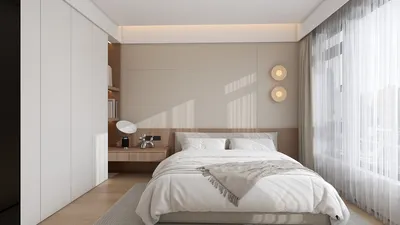


Designing interior spaces effectively involves understanding how light functions within a room. The manipulation of light not only enhances aesthetic appeal but also impacts the overall ambiance and usability of a space. For any interior designer or enthusiast, familiarity with light guiding principles is crucial for creating engaging environments. A key concept in this area is light layering, which merges various lighting types—ambient, task, and accent—to establish a well-rounded illumination strategy. Ambient lighting forms the base, delivering overall brightness, while task lighting zeroes in on specific activities like reading or cooking. Accent lighting plays a vital role in emphasizing unique elements or artworks, bringing depth and character to the room. Another significant aspect is embracing natural light. Optimizing window placements and open layouts can elevate the vibrancy and energy levels within interiors. Designers should take into account window orientation, the dimensions of openings, and the use of reflective materials to enhance the influx of natural light. The choice of color palette is also critical; lighter hues and reflective surfaces assist in spreading light evenly, contributing to a brighter environment. To effectively guide light, designers strategically position fixtures throughout the space. Consideration of the room's design and how people will engage with it is essential. For instance, in a living area, situating floor lamps in corners or incorporating wall sconces can foster a warm and inviting atmosphere while minimizing harsh shadows. In kitchen settings, under-cabinet lighting dramatically brightens countertops, enhancing their functionality for cooking activities. Furthermore, the texture and material of surfaces greatly affect how light is perceived and dispersed. Glossy finishes tend to reflect light, making rooms feel more expansive and illuminated, whereas matte surfaces absorb light, promoting a cozy ambiance. Achieving a balance between these textures can create a captivating visual effect. The integration of smart lighting solutions is rapidly gaining traction in contemporary interior design. These systems provide enhanced control over brightness and color temperature, allowing users to tailor light settings to create varied moods and experiences throughout the day. Ultimately, mastering these light guide design principles opens the door to creating more inviting and practical spaces. By assessing how light interacts with surfaces, judiciously placing fixtures, and focusing on natural light integration, designers can craft environments that not only showcase beauty but also enhance users' quality of life. Whether you’re a skilled designer or a dedicated DIY aficionado, understanding these principles will elevate your projects to exceptional standards, especially when utilizing tools like Homestyler for your design needs.
Tips 1:
Opt for light-colored walls and furniture to reflect more light, fostering an airy ambiance in your interiors.
FAQ
What materials are best for maximizing light in a space? Glossy surfaces, mirrors, and light-toned fabrics can significantly boost light reflection.
How can I create an illusion of spaciousness in a small room through lighting? Combine ambient light with mirrors and light colors to enhance the sense of space.
welcome to Homestyler


Discover Homestyler, the ultimate online home design platform! Its user-friendly design tool makes it easy to create stunning spaces, while the rich library of 3D renderings and inspiring DIY video tutorials will guide you every step of the way. Turn your design dreams into reality today!
Desain sekarang Gratis
































