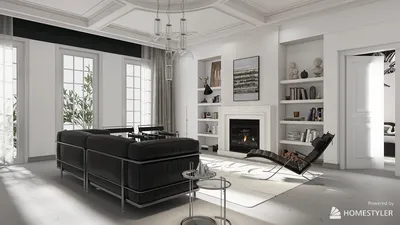


In my experience, I once blended what was considered a "safe" light gray, only to watch as a newly decorated apartment transformed into an icy hospital-like hallway by evening. My client still playfully references my "blue-gray phase." This somewhat alarming experience taught me the invaluable lesson of testing paint colors in real lighting conditions, and the importance of envisioning beyond just the color swatch. Sometimes, showcasing the optimal layout through a design mock-up can really make a difference; that's why I like to present my clients with innovative room ideas that maximize space and help them understand how gray works in different contexts. When it comes to compact living areas, light gray can either be a versatile choice or a tricky color, depending on its undertones and finish.
1. Combine light gray with warm wood tones and brass accents
I find that using light gray as a neutral foundation allows me to incorporate warm wood tones and brass features, which effectively counterbalances any chilliness. This approach creates a cozy, layered ambiance that prevents the gray from appearing too sterile. However, matching undertones can be tricky to ensure that the wood and metal accents harmonize perfectly. A helpful tip is to test samples against a wooden piece or lamp that you plan to keep, and consider choosing satin or eggshell finishes to enhance warmth.
2. Create contrast with bright white trim and a darker base
Pairing light gray with crisp white trim achieves a modern and polished look—it highlights windows and makes moldings stand out. The advantage of this combination is its fresh and upscale appearance; however, painting trim demands a meticulous approach (and regular maintenance). A budget-friendly strategy is to paint the trim last, applying painter's tape to protect edges, and caulking tiny gaps afterward for a pristine look.
3. Incorporate texture to avoid a monotonous design
During a recent studio renovation, I utilized a light gray matte wall and complemented it with a textured plaster accent and a patterned rug. This combination prevents a flat or 'one-note' appearance and lends a curated feel to the space. If you're interested in seeing how various textures interact with gray before purchasing materials, a simple 3D layout walkthrough using tools like Homestyler can provide insight into depth and shadows without the burden of heavy samples.
4. Use accents and greenery to add character
Light gray serves as an ideal neutral backdrop for vibrant art, deep navy or charcoal accents, and lush greenery. Adding plants and textiles introduces color and life without significant expense; just ensure that the accent tones complement the undertones of the gray. My recommendation is to select a single vibrant color family and repeat it in at least three locations to establish visual harmony.
5. Utilize the right light gray to make small rooms appear larger
Choosing the right high-LRV light gray can help to visually expand compact spaces like bathrooms or kitchens, especially when paired with reflective surfaces. This approach is both budget-friendly and modern, although it's crucial to steer clear of overly cool gray tones that can diminish warmth. Adding a warm towel, a wooden shelf, or a brass faucet can quickly remedy this. Specifically, for kitchen designs, I frequently use kitchen planning examples on platforms like Homestyler to ensure that the gray complements cabinetry and countertops beautifully.
FAQ
Q: Is light gray suitable for small rooms? A: Definitely—when you select a high LRV light gray, it can open up a small room by enhancing light reflection. Incorporating warm accents helps to prevent a sterile ambiance.
Q: How do I determine the right undertone in light gray? A: Assess swatches in various lighting throughout the day and alongside your main furnishings; gray hues can shift toward blue, green, or taupe, so it's wise to compare with nearby wood and metal elements.
Q: What sheen is most appropriate for light gray? A: Eggshell or satin finishes work well for walls, as they hide imperfections better than flat paint, while adding a touch of warmth compared to high-gloss options.
Q: Can I incorporate light gray in my kitchen? A: Absolutely; it pairs beautifully with materials like marble, wood, and brass. Always test samples near your countertops and cabinets before finalizing your decision.
Q: Does light gray easily show dirt? A: Mid-tone light grays do a better job of hiding dust and fingerprints compared to very light or dark grays; consider using washable finishes in high-traffic areas.
Q: How do different types of lighting affect light gray? A: Warm LED bulbs can warm up a cool gray, while cooler LED lights can highlight blue undertones—always sample your paint under the lighting you intend to use.
Q: Do you have any guidelines for matching flooring with light gray walls? A: Warm wood floors create a welcoming contrast, while lighter floors enhance an airy, Scandinavian look; choose your desired effect and test samples together for a cohesive appearance.
Q: Where can I find more information about LRV and its impact on gray choices? A: For an in-depth exploration of LRV and paint selection, consult the Sherwin-Williams LRV guide, which elaborates on how reflectance influences our perception of brightness.
Homestyler is your go-to online home design platform! With an easy-to-use design tool, stunning 3D renderings, and a wealth of design projects and DIY video tutorials, you can effortlessly create and visualize your dream space. Transform your ideas into reality with Homestyler today!
Diseño ahora GRATIS
































