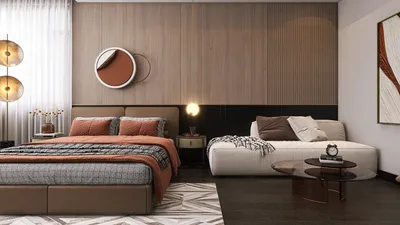


During a client meeting, I once confidently displayed swatches and announced, "ivory will create a timeless ambiance for this space" — only to discover I had brought bright white samples instead. This prompted laughter, and as we refined our selection to the correct tones, the atmosphere immediately shifted; that little oversight taught me to always assess ivory under genuine lighting. If you're designing a snug apartment or an eclectic studio, using ivory wall paint can be an exceptional tactic to introduce warmth without overshadowing natural light. For layout inspiration, utilizing tools like Homestyler can help visualize your spaces before applying any paint.
1. Select the Right Shade of Ivory for Your Lighting
Ivory comes in numerous shades — from cool, creamy undertones to warm, buttery variants. I suggest testing three samples on different walls to see how they interact with morning and evening light, preventing an unwanted yellow tint at sunset. The benefit is that the right ivory can create an illusion of spaciousness in compact rooms, fostering a cozy feel; the challenge lies in harmonizing the undertones with your fixtures, which, while time-consuming, pays off immensely.
save pin
2. Implement Ivory as a Textured Layer Rather than a Flat Background
Using ivory on your walls is ideal for layering various textures — think woven rugs, matte plaster, and satin cabinetry that complement each other beautifully. In one tiny apartment renovation, changing glossy trim to a satin finish around ivory walls added wonderful depth without introducing additional color. However, the downside? Light neutrals tend to highlight imperfections, making thorough prep work essential.
save pin
3. Combine Ivory with Bold Accent Pieces
Ivory flourishes when mixed with one or two striking elements: charcoal window frames, a navy sofa, or a reclaimed-wood shelf. This careful contrast prevents the room from appearing washed-out. When planning kitchen designs, I often sketch early accent placements; this step is why I frequently utilize Homestyler to visualize where color anchors can be positioned to maintain harmony within the space. Keep in mind, though — overloading on contrasting accents can compromise ivory’s serene effect, so choose wisely.
save pin
4. Experiment with Finishes and Trimming for Various Moods
A matte ivory wall paired with a subtle eggshell trim conveys a modern and soft aesthetic; alternatively, a glossy trim can make details stand out. I recently used matte walls and semi-gloss trim in a bathroom to ensure durability against moisture while keeping the walls inviting and warm. Updating trim gloss is a budget-friendly way to refresh a space without fully repainting, but remember that semi-gloss finishes will highlight every imperfection — prep work is key.
save pin
5. Extend Ivory into Small Kitchens and Bathrooms
Ivory is a game-changer in narrow kitchens and compact bathrooms: it reflects light effectively, disguising minor stains better than pure white, and pairs beautifully with natural wood. In a galley kitchen design I created, the ivory walls alongside warm wood cabinets enhanced the sense of continuity in the space; I often rely on 3D render tools such as Homestyler to preview different material combinations prior to ordering my samples. Just a quick note — for high-humidity areas, opt for paints with mildew resistance, and consider finishes that are easy to wipe clean.
save pin
FAQ
1. What distinguishes ivory from white paint?
Ivory features subtle warm undertones (cream, beige, or yellow), while white is neutral or cooler; ivory provides warmth and softness, while white appears brighter and crisper.
2. How do I determine the correct undertone in ivory?
Apply swatches to various walls and check them at different times throughout the day. Place them next to your flooring and fabrics — the undertone that best complements your existing materials will feel the most natural.
3. Is ivory a good choice for smaller rooms?
Absolutely — ivory can enhance the perception of space in small rooms while promoting a cozy ambiance by reflecting light without coming off as stark; just steer clear of overly dark accents that might confine the area.
4. Which finish is suitable for ivory walls?
Opt for matte or eggshell in living areas; for kitchens and bathrooms, satin or semi-gloss works best, providing both durability and ease of cleaning.
5. Can ivory conceal imperfections?
Ivory is less effective at hiding flaws compared to textured or patterned paints; while it does soften imperfections relative to bright white, thorough wall prep remains crucial.
6. How does lighting influence ivory paint?
Warm incandescent lighting will accentuate yellow undertones, while cool LED might render ivory more neutral; always evaluate samples under the lighting conditions present in your room.
7. Are there specific color palettes that pair well with ivory?
Natural woods, muted blues, charcoals, and olive greens create classic complementary pairings. These colors provide contrast without overshadowing the gentle softness of ivory.
8. Where can I deepen my understanding of paint undertones?
Trusted paint manufacturers offer valuable resources; for instance, Benjamin Moore provides comprehensive guides on undertones and testing methods (see: https://www.benjaminmoore.com for more information).
save pin
Discover the ease of home design with Homestyler! This innovative online platform features a user-friendly design tool, stunning 3D renderings, a wealth of design projects, and informative DIY video tutorials. Transform your home ideas into reality effortlessly—perfect for both beginners and seasoned decorators!
立即免费设计
































