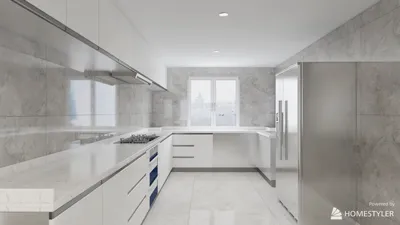


For over ten years, I have focused on designing and optimizing intimate wedding halls, and one key factor stands out in every successful space: meticulous planning. In a compact wedding venue, each meter must be purposefully allocated to enhance the celebration—this entails managing guest movement, ensuring a central focus for the ceremony, arranging dining areas, and creating picturesque photo opportunities—all while maintaining an airy atmosphere. The objective is to orchestrate a series of experiences that feel expansive, even within a smaller footprint, particularly when using tools like Homestyler to visualize layouts.
Understanding capacity, circulation, and comfort is crucial and should never be left to chance. According to research from Steelcase, having spatial clarity and optimized circulation significantly lowers wayfinding confusion and anxiety, which enhances overall event satisfaction. Additionally, the WELL v2 guidelines stress the importance of sound control and lighting quality in promoting comfort and well-being during gatherings. By incorporating these considerations from the beginning, one can avoid hasty compromises later on. For more comprehensive design standards and human-centered benchmarks, refer to WELL at v2.wellcertified.com.
When planning the layout, I regard small wedding halls as a form of choreography. Research from Gensler reveals that clear zoning boosts engagement and minimizes feelings of crowding. For venues that can host 120–160 guests, circulation pathways are paramount: clear routes to the stage, service paths for staff, and unobstructed lines from entry to dining areas. Mapping these elements first ensures everything flows smoothly under pressure. If you're experimenting with different seating arrangements or a split-ceremony setup, utilizing a room layout tool like Homestyler can help simulate guest movement and sightlines before committing to rentals or installations.
Core Spatial Strategy
I initiate planning with three distinct zones: Ceremony Focus, Hospitality Spine, and Social Pockets. The Ceremony Focus is centered around the couple, with the stage height ranging from 300 to 450 mm for optimal visibility without overpowering the space. The Hospitality Spine allows for catering and staff movement along one side or a back corridor, minimizing cross-traffic with the main aisle. Social Pockets—cozy clusters of two-seaters and stools—entice small groups, relieving the dining tables and maintaining a lively atmosphere. This tri-zonal strategy ensures that energy flows while offering guests comfortable spots to relax.
Seating Ratios and Aisle Logic
For compact wedding venues, a 60:40 ratio of banquet seating to flexible social seating tends to work effectively. Within rows or at banquet tables, it’s essential to maintain aisles of 900 to 1200 mm and ensure at least 750 mm of space between chair backs for service access. In compliance with fire regulations and comfort standards, all exits must remain visible and unobstructed. I often favor diagonal seating angles between 15 to 22 degrees to enhance sightlines to the stage without deepening the space.
Stage and Backdrop Composition
A minimalistic stage design can be quite impactful. Layer fabric or acoustic panels behind the couple, adorned with a simple floral frame. Establishing vertical rhythms—tall arrangements at the sides and lower florals in the front—ensures faces remain unobstructed in images. Conceal wiring under edge trims and include two dedicated power circuits for lighting and audio-visual needs. The backdrop should utilize matte finishes to prevent harsh reflections during photography sessions.
Lighting: Warm, Layered, and Glare-Free
In smaller wedding venues, lighting plays a critical role in setting the mood. Ambient lighting at around 300 to 400 lux ensures visibility, while the stage lighting should be elevated to between 500 and 700 lux with dimmable options. Aim for a color temperature of 2700 to 3000K for warmth during the ceremony, increasing to 3000-3500K during dining to enhance food presentation. Following IES guidelines to limit glare involves using diffusers, indirect coves, and cross-aimed spots. Soft accent lighting on floral arrangements should be more subdued than stage lighting to prevent flattening the visuals. Use matte sealants or area rugs to mitigate glare from polished flooring.
Acoustic Comfort in a Small Volume
Small spaces can amplify noise, making it challenging to hear speeches. Target a reverberation time of approximately 0.6 to 0.9 seconds, employing lightweight sound-absorbing materials such as felt baffles, upholstered panels, and draped textiles covering at least 20 to 30% of wall surfaces. Upholstered seating and table linens can also assist in managing mid to high-frequency sound. Position speakers at height and ensure they are angled toward the audience, while avoiding corners to prevent bass amplification that muddles sound.
Color Psychology and Material Choices
A palette of warm neutrals paired with a single accent color creates an inviting atmosphere. According to insights from Verywell Mind, colors like red and gold evoke celebration and energy, while softer greens and blush tones contribute to a calm ambiance; in smaller venues, I lean towards gentler hues to reduce visual clutter. Incorporate tactile materials such as linen, brushed metals, and rattan accents to add depth without inducing glare. Opt for low-VOC finishes to enhance air quality and ensure the comfort of guests.
Flow, Wayfinding, and Human Factors
It's critical that guests never feel lost. Create a clear pathway from entry to the stage, and then to the dining area, using decor-integrated signage—escort card displays at transition points serve a dual purpose. Maintaining 1-2 dedicated photographing areas helps prevent bottlenecks. Place hydration stations at the periphery to reduce crowding near the stage, and ensure accessible seating is in proximity to aisles while avoiding high thresholds; ADA-compliant ramps should feature a slope of no more than 1:12.
Compact Dining Setup
For buffet services, arrange the line perpendicular to the main flow to circumvent congestion. In cases of plated service, visualize dish placement along the Hospitality Spine, ensuring there is a clear lane. Table dimensions are crucial; 1500 mm round tables can comfortably seat eight guests in confined spaces, while larger 1800 mm rounds might obstruct aisles. In narrow halls, utilizing square or rectangular tables optimizes passage width.
Decor Rhythm and Visual Balance
In a small space, restraint is key. Incorporate vertical elements at corners to elevate the atmosphere, balance with low centerpieces for clear sightlines, and keep mid-height decor to a minimum to reduce visual noise. Create rhythm by repeating patterns—such as lanterns or floral arrangements—at consistent intervals. Mirrors can enhance the perception of space, but should be limited to side walls to avoid reflected glare from stage lighting.
Lighting Control and Scenes
Establish three distinct lighting scenes: Ceremony (warm, spotlighted stage, dimmed audience), Dining (brighter table settings, softened stage), and Dance/Departure (accentuated perimeter, dynamic yet gentle). Utilize simple wall-mounted dimmers or a compact control system, clearly labeling presets. Ensure that emergency lighting operates independently from scene controls.
Back-of-House Efficiency
Even within a smaller venue, the efficiency of staff is vital to the success of the event. Designate a clear path for moving from dirty to clean areas for catering, separating preparation zones from plating areas, and ensuring a minimum clearance of 900 mm behind service stations. Provide power outlets at strategic intervals, and ensure easy access to spare linens and tools to reduce staff movement in guest areas.
Budget-Savvy Impact
Direct financial resources to high-impact areas: stage backdrop, lighting, and essential floral arrangements. Opt for cost-effective solutions in lower-impact areas, such as simple drapes, reusable props, and versatile seating options. Select durable materials that are easy to maintain, as brushed finishes tend to conceal fingerprints more effectively than polished surfaces.
Testing the Layout
Before finalization, utilize interior layout planners to validate aisle widths, chair spacing, and sightlines. Conduct a timed rehearsal with catering and photography to identify potential bottlenecks. Adjust seating arrangements based on where guests naturally congregate—near entryways, hydration stations, and photo ops.
- Capacity and flow mapped to distinct zones
- Aisles at 900–1200 mm; chair-back clearance of at least 750 mm
- Stage height between 300–450 mm with glare-free backdrop
- Ambient lighting at 300–400 lux, stage lighting at 500–700 lux within 2700–3500K range
- Target reverberation of 0.6–0.9 s through textile and panel absorption
- Clear and accessible routes with adequate wayfinding signage
- Arrange buffet lines to run perpendicular to main circulation routes
- Implement three programmable lighting scenes
Tips 1: Entry and First Impression
Feature the entry with a floral archway or canopy that leads directly to the stage. Keep welcome desks compact and set off the main path. A light floral or citrus scent at the entrance cultivates an inviting atmosphere without being overpowering.
Tips 2: Photography Angles
Secure two dedicated photography angles: one along the main aisle and another from the side. Consider establishing a small platform for the photographer at the rear to guarantee clear sightlines and minimal obstructions.
Tips 3: Compact Lounge Corners
Design intimate seating areas using two-seaters and stools instead of bulky sofas. Include a slim console for gifts and guest books, strategically placed away from high-traffic areas.
Tips 4: Safety and Comfort
Ensure the dance floor features non-slip flooring, utilize cable covers for any crossings, and communicate clearly about emergency exits. Implement battery backup systems for key lighting areas.
Tips 5: Sustainable Touches
Opt for rent-and-return floral arrangements, reusable fabric backdrops, and LED fixtures with dimming capabilities. Prioritize low-VOC finishes and local suppliers to minimize transportation emissions.
FAQ
Q1: How can I avoid a crowded feeling in a small hall?
A1: Clearly define zones such as Ceremony Focus, Hospitality Spine, and Social Pockets, and ensure main aisles are between 900–1200 mm. Utilize diagonal seating for improved sightlines, and establish staging areas for photos to alleviate congestion.
Q2: What lighting levels are ideal for weddings in smaller venues?
A2: Strive for ambient levels of 300–400 lux, with the stage set at 500–700 lux, maintaining a warm color temperature between 2700–3500K. Implement glare-control strategies using diffusers and indirect coves for enhanced comfort.
Q3: How can I enhance acoustics without extensive renovations?
A3: Introduce textile drapes, upholstered panels, felt baffles, and table linens to effectively reduce reverberation to about 0.6–0.9 seconds. Elevate and angle speakers to minimize bass issues in corners.
Q4: What seating arrangements are suitable for 120–160 guests?
A4: Use 1500 mm round tables for seating eight, or choose rectangular tables in narrow venues. Maintain a minimum of 750 mm spacing between chair backs and keep main aisles spacious. A split between 60:40 for banquet seating and lounge clusters is advisable.
Q5: Which color schemes work best for small wedding halls?
A5: Utilize warm neutrals partnered with subtle accent colors—soft greens, blush, and gold—to convey calmness and festivity without overwhelming the senses. Balance matte materials to reduce glare for better photography results.
Q6: How do I organize a buffet that maintains unobstructed pathways?
A6: Position the buffet line perpendicular to the main flow to avoid congestion, with distinct lanes for plate drop and return. Ensure that staff routes follow the Hospitality Spine, avoiding any unnecessary crossings over main aisles.
Q7: What are the essential AV and power requirements?
A7: Allocate a minimum of two dedicated circuits for stage lighting and audio, plan concealed cable paths, and include clearly labeled dimmer controls. Ensure battery backup for vital lighting and microphones is in place.
Q8: How can I achieve elegant wayfinding?
A8: Seamlessly integrate signage into the decor—using escort cards at transitions, subtle directional arrows near exits, and key landmark elements such as floral frames or lighting pylons that naturally guide movement.
Q9: How can I effectively test the layout prior to the event?
A9: Employ a room layout tool like Homestyler to simulate seating arrangements, circulation paths, and sightlines. Conduct a rehearsal with catering and photography to identify any potential pinch points and refine clusters accordingly.
Q10: What sustainable decisions yield the most significant impact?
A10: Utilizing LED lighting with dimming options, opting for reusable fabric backdrops, implementing rent-and-return floral systems, choosing low-VOC finishes, and sourcing locally can largely reduce waste while enhancing air quality and guest comfort.
Bed Table Bed Desk Living Room Simple and Creative

SAFAVIEH Couture Collection Blanca Brown Italian L

Lazzo Rattan Coffee Table Mid Century Modern Cente
Homestyler is your go-to online home design platform, perfect for creating stunning spaces effortlessly! Explore its intuitive design tool, impressive 3D rendering features, diverse design projects, and engaging DIY video tutorials. Transform your home design dreams into reality with ease and creativity!
Дизайн сейчас бесплатно
































