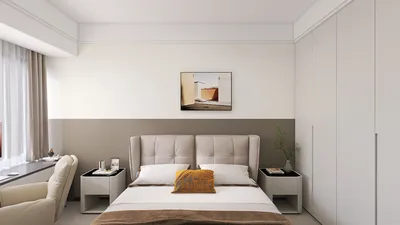


Once, while working with a client, I attempted to create a stunning ombré wall, completely forgetting to mask the hallway. Within minutes, I discovered that overspray can spread just like juicy gossip at a dinner party. This little mishap reinforced my appreciation for effective masking techniques, airflow control, and repeat practice. If a small hallway can become a canvas of paint confetti, think about the chaos an entire room could unleash.
Tackling small spaces often necessitates decisive actions and fuels creativity. One of my preferred techniques for achieving smooth, quick results on interior walls is paint spraying. Here, I provide five actionable insights sourced from real-life projects, detailing advantages, obstacles, and budget-friendly advice.
1. Select the Appropriate Sprayer and Nozzle
Not all sprayers are suitable for every task. For most interior walls, I recommend a medium HVLP (High Volume Low Pressure) sprayer due to its ability to produce a fine finish with minimal bounce-back. The size of the nozzle is crucial: choose a larger tip for thicker paints and a finer one for egg-shell or satin finishes.
The benefits include rapid application and consistent coverage, while the drawbacks encompass the learning curve and initial expense. However, renting a professional-grade unit for a day is often more economical than purchasing one. If you'd like to preview your final finish, consider making a quick 3D mock-up with tools like Homestyler before making a color commitment.
save pin
2. Prepare Thoroughly
Preparation accounts for 70% of a successful spray finish. Make sure to remove outlet covers, seal any gaps, caulk trim lines, and sand glossy surfaces. I always keep affordable plastic sheeting and low-tack painter's tape handy — they are reusable and gentle on the paint.
Though prepping demands time, it saves you from those awkward overspray anecdotes. In older houses, be cautious of lead paint and conduct tests first; this is when hiring a professional for lab testing proves its worth.
save pin
3. Practice on Test Panels and Perfect the Technique
Always start by testing on cardboard or scrap drywall. Adjust the pressure, nozzle, and speed until the spray pattern is consistent. Maintaining a steady arm motion and keeping a distance of about 6–8 inches (for HVLP) ensures an even coat.
Would you like flawless walls right from the first pass? Translate measurements into a clear plan and practice your movement route to avoid zig-zagging across wet edges, which helps reduce lap marks and conserve paint.
save pin
4. Use Overlapping Passes and Ensure Proper Ventilation
When spraying, aim for a 50% overlap with each pass and keep it moving—pausing too long can lead to runs. For ceilings, I prefer to lean in a consistent direction throughout the room to ensure seams are uniform. Cross-ventilation and fans are ideal for controlling drying times, but avoid strong drafts that might blow spray back onto wet surfaces.
The speed of spraying is fantastic, especially for rentals or quick renovations, but proper ventilation and wearing a mask are essential. Don't forget to factor in clean-up time for the equipment — properly flushing a sprayer can be tedious but will save you future headaches.
save pin
5. Complete Touch-Ups Using Rollers and Fine Brushes
Even with an expert spray application, edges and corners frequently need additional finishing. I personally employ a small high-density roller to seamlessly blend edges and utilize a fine brush for detailed lines. This combination delivers the speed of spraying while retaining the precision of traditional applications.
Budget tip: if you plan on undertaking many DIY projects, consider investing in a mid-range sprayer. Otherwise, renting eliminates the hassle of storage and maintenance. For intricate spaces like kitchens, planning the sequence of work around cabinets and appliances is crucial — think about utilizing a tool like Homestyler to effectively map your work strategy.
save pin
Tips 1:
One handy trick: lay craft paper on the floor instead of plastic — it produces less static and simplifies cleanup. Additionally, if you're unsure, capture photos of the lighting at different times to evaluate how the sprayed finish will appear.
save pin
FAQ
Q1: Is spraying paint superior to rolling for interior walls?
A1: Spraying provides a quicker, smoother finish and is excellent for larger or textured surfaces. Conversely, rolling is easier for minor touch-ups and prevents overspray. I often combine both methods for optimal outcomes.
Q2: What protective gear should I use when spray painting indoors?
A2: At the very least, use an N95 mask or paint-rated respirator, goggles, and protective clothing. Adequate ventilation and drop cloths are also crucial to safeguard both surfaces and health.
Q3: Can I spray latex paint?
A3: Yes, many sprayers can accommodate latex paint, but you might need to thin it slightly and use the appropriate tip. Always check the manufacturer’s guidelines beforehand to prevent clogging.
Q4: How can I minimize overspray?
A4: Ensure thorough masking, use low-tack tape, keep the nozzle directed at the target, and maintain the proper pressure and nozzle size. A test panel is beneficial for adjusting settings prior to tackling the real wall.
Q5: What’s the best way to clean a sprayer?
A5: Immediately flush with water for water-based paints or the suitable solvent for oil-based paints after use. Disassemble the tip and needle to eliminate buildup and allow to dry before storage.
Q6: Are there health regulations regarding indoor paint spraying?
A6: Indeed. For guidance on VOCs and maintaining indoor air quality, refer to the EPA's resources: https://www.epa.gov/indoor-air-quality-iaq/volatile-organic-compounds-impact-indoor-air-quality. It's essential to heed their advice on ventilation and chosen products.
Q7: How many coats should I typically spray?
A7: Generally, applying two light, even coats is preferable to one heavy coat to avoid runs and enhance durability. Allow the first coat to dry until it feels tack-free before applying the second layer.
Q8: Can I spray near completed trim or cabinetry?
A8: Yes, but ensure careful masking and consider spraying before installations when feasible. If painting in place, use plastic sheeting and set up a spray tent around cabinets to avoid contamination. For organizing your staging and work sequence, utilizing a visual layout in 3D can aid in planning logistics effectively.
save pin
Looking to elevate your home design game? Homestyler offers a user-friendly online design tool, stunning 3D renderings, and a wealth of design projects. Plus, with DIY video tutorials at your fingertips, transforming your space has never been easier. Start creating your dream home today!
تصميم الآن مجانا
































