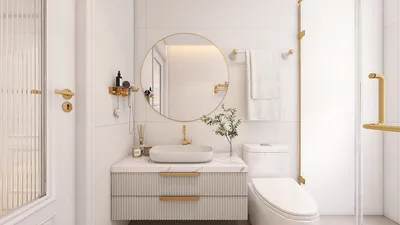


In my experience, while attempting to use a spray gun to match a vintage teal in a 28 sqm studio, I accidentally misted the neighbor's laundry, which was quite the fiasco! From this little incident, I gleaned three crucial lessons: mask effectively, ensure excellent ventilation as if your life depends on it, and most importantly, visualize the space in 3D through tools like Homestyler before you commence any painting. Although errors in small areas can stand out, they also provide a canvas for clever spray techniques to create significant visual effects.
1. Soft ombré walls with spray
Utilizing a spray gun to achieve a delicate gradient from the floor to the mid-wall is one of my favorite techniques — it mimics a natural light wash effect. The benefits include concealing minor imperfections on the wall and adding depth without the need for bulky furniture. However, the downside is that it does require practice in order to create smooth transitions and precise masking for sharp edges.
save pin
2. Subtle texture with diluted paint
Spraying a thicker blend at low pressure can yield a contemporary suede or plaster appearance that feels tactile without the price tag associated with authentic stucco. This method is economical and excellent for concealing scuff marks; just remember to test on a separate board first and be aware that slight color variations may occur due to sheen changes with texture.
save pin
3. Geometric stencils made simple
By cutting a lightweight stencil and applying the spray in short bursts, you can create clean, defined shapes. I often inform clients that this technique appears designer-crafted yet costs a fraction — ideal for renters! When spraying near cabinetry or appliances, it’s important to test colors and patterns ahead of time to ensure a smooth workflow in the kitchen, especially where splash zones intersect with painted areas; effective masking and using low-VOC paint are beneficial here.
save pin
4. Two-tone mid-rail for visual height
Applying a darker color to the lower half and a lighter shade to the upper half (perhaps with a thin rail or reveal) can create the illusion of greater ceiling height while protecting the wall from wear. The advantages are both practical and aesthetically pleasing; however, precise alignment can be tricky and small errors become visible without proper taping. My advice: employ a laser level and a roller for the rail, then feather the spray for a softer transition.
save pin
5. Accent ceiling or micro-mural
Ceilings are often overlooked yet are a prime location for spray paint creativity — a gentle gradient depicting a night sky or a delicate stencil mural above a bed can dramatically transform a compact space. This approach is cost-effective and impactful, although consider the logistical challenges of using ladders and ensuring good ventilation. Prior to painting, make sure to plan out the room's layout with a tool like Homestyler so that you can strategically arrange furniture and lighting around your new focal point.
save pin
FAQ
Q1: Is spray paint safe for indoor wall painting?
A1: It can be safe when using low-VOC paints, wearing a suitable respirator, and ensuring ample ventilation. Always adhere to safety guidelines provided by the manufacturer and avoid spraying in poorly ventilated spaces that are currently occupied.
Q2: What finish works best with a spray gun on walls?
A2: I generally prefer eggshell or satin finishes for walls; they provide a good balance between durability and hiding imperfections. Be mindful that the spray can enhance sheen, so it's wise to test a sample patch prior to full application.
Q3: How can I prevent overspray?
A3: It’s vital to mask areas that you don’t want to paint, utilize drop cloths, and apply the spray in short, controlled bursts at the appropriate distance. Practicing on cardboard can help you find the ideal pressure and distance.
Q4: Is it possible to use standard wall paint in a spray gun?
A4: Many paints require thinning for use with HVLP or airless sprayers; check the specifications provided by the manufacturer. Using paint with the incorrect viscosity can lead to clogging of the spray gun or result in poor atomization.
Q5: How critical is ventilation?
A5: It’s extremely crucial — adequate ventilation decreases inhalation risks and accelerates drying times. The EPA provides comprehensive guidance regarding indoor air quality and VOC impacts (refer to: https://www.epa.gov/indoor-air-quality-iaq/volatile-organic-compounds-impact-indoor-air-quality), which I recommend reviewing prior to starting a significant spray project.
Q6: What safety gear should I use?
A6: At the very least, use a NIOSH-rated respirator designed for organic vapors/particulates, gloves, and protective eyewear. If you plan to sand or strip old paint, consider using coveralls and processing lead testing for homes built prior to 1978.
Q7: How much paint will be necessary for a small room?
A7: Sprayers may consume slightly more paint due to overspray; consider budgeting an additional 10-20% and always purchase a little extra for touch-ups. Measure the wall area carefully and verify the product's coverage specifications.
Q8: Can I combine spray techniques with rollers?
A8: Certainly — I frequently spray larger areas and subsequently use a roller for texture control or touch-ups. Merging methods can yield professional outcomes while maintaining cost efficiency.
save pin
Homestyler is your go-to online home design platform, perfect for turning your ideas into reality. With its user-friendly design tool, stunning 3D renderings, a plethora of design projects, and informative video tutorials, you’ll find everything you need to create your dream space effortlessly.
Progetta ora GRATIS
































