

Obtaining accommodation at IIT Delhi represents a significant milestone that can be both thrilling and somewhat daunting. Through my experiences guiding numerous students, I've found that the most seamless experiences stem from understanding the process, organizing documents ahead of time, and envisioning life in the hostel beyond just a bed and desk. A properly assigned room lays the groundwork for a successful first semester, promoting better sleep, enhanced study habits, and a balanced routine.
Two crucial elements come into play immediately: timeliness and precise documentation. According to research by Steelcase, well-structured environments enhance focus and productivity by lowering cognitive burden, a concept that is applicable not only to study areas but also to administrative procedures. Additionally, findings from Herman Miller suggest that ergonomic arrangements can alleviate discomfort, thus improving sustained attention—a vital aspect when selecting or adjusting your hostel furniture. To further support the wellbeing of the campus community, WELL v2 outlines the importance of sleep-friendly lighting and acoustic comfort; even minor adjustments in your room can lead to noticeable improvements. For a more in-depth analysis of ergonomics and performance in both workplace and student environments, refer to the studies conducted by Steelcase and Herman Miller.
Eligibility Criteria and Prioritization
Rooms in the IIT Delhi hostels are generally allocated based on your academic program, year of study, and admission category, with first-year students receiving priority during the initial placement phases. Special categories including exchange students may have particular quotas or distinct timelines. Make sure to have your admission letter, fee receipt, and identification documents readily accessible; most delays arise from missing or incorrect information. If you transition from a provisional to a confirmed seat, it’s crucial to verify your status beforehand to ensure there are no setbacks with your room assignment.
Checklist Before Arrival
Before arriving on campus, I prepare a brief list: confirm your hostel room type (single, double, or shared), settle the required hostel fees along with the security deposit, print out the fee receipts, and have passport-sized photographs ready. Pack a basic toolkit that includes an extension cord, a task lamp with a color temperature between 3000–4000K for effective study lighting, a door hook, and a microfiber cloth. Based on WELL v2 recommendations concerning circadian lighting, maintaining warm-to-neutral color temperatures during evening study sessions helps minimize sleep disruption.
Room Allotment Day: Steps to Follow
On the day of room allotment, go to the designated hostel office or student affairs desk as instructed by IIT Delhi. Be prepared for a verification process: you will need to show ID, confirm fees, and sign the hostel's rules. You'll receive either a room key or keycard, along with details about your mattress or voucher, and a brief orientation regarding common areas, dining facilities, and laundry services. Should you require a room change for medical, accessibility, or academic reasons, it's best to make your request as soon as possible—early adjustments are often easier to accommodate.
Setting Up Your Space
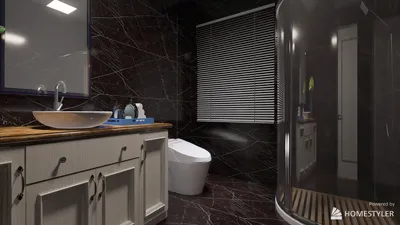
Once you enter your room, my first step is to arrange the layout: position the study desk to avoid direct glare, place the bed away from the direct line of the door to minimize noise, and introduce acoustic comforts such as a rug or curtains if allowed. For structuring furniture in limited hostel spaces, utilizing a room layout tool, such as Homestyler, can assist in visualizing desk placements, shelving, and personal storage options before finalizing your setup.
Room Layout Tool: Utilize tools like Homestyler to plan your interior arrangement.
Optimizing Lighting and Acoustic Conditions
Effective study requires a brightness level between 300–500 lux at the desk, ideally with a neutral color temperature (3500–4100K). Using a task lamp designed to minimize glare with a proper shade can help reduce eye strain. Additionally, I incorporate soft materials and a door draft stopper (if permitted) to muffle hallway noise; adhering to quiet hours is vital, often being more important than any product solution, so be mindful of hostel regulations.
Guidelines for Shared Room Etiquette
In shared accommodations, I recommend drafting a brief roommate agreement covering quiet hours, cleaning responsibilities, guest policies, and borrowing rules. It’s essential to clarify charging locations for devices, window usage for ventilation, and agreed times to turn off lights. Establishing healthy social habits is just as significant as the arrangement of furniture; maintaining a consistent sleep schedule and productive routines will boost your study energy.
Storage Solutions, Safety Measures, and Maintenance Tips
Secure valuables in a locked cupboard, ensuring pathways are free from obstructions. Report any maintenance issues (such as with fans, lights, or plumbing) on the first day. Keep documentation of any pre-existing damages to avoid deposit disputes later on. Additionally, utilizing a compact under-bed storage box can optimize space without cluttering your desk area.
Health Considerations, Ergonomics, and Daily Routine
To ensure proper ergonomics, I adjust my chair so that my elbows align with the desk surface and the laptop screen is at eye level. It's beneficial to take short breaks every 25–30 minutes. Studying on the bed should be avoided as it can quickly lead to poor posture and diminished focus. Keeping water within reach and using communal areas for extended discussions are also crucial for maintaining a peaceful environment for your roommates.
Dining, Laundry, and Communal Areas
Familiarize yourself with the mess timings and laundry schedules early on. Implementing a shared calendar—whether on a whiteboard or via a phone app—can help in avoiding scheduling conflicts. Common rooms serve as excellent spaces for group study; however, remember to bring headphones and adhere to occupancy limits. Engage actively in hostel committees or interest groups; they can profoundly impact your daily experience in addition to your room.
Room Changes, Upgrades, and Special Requests
If your room fails to meet specific medical or accessibility requirements, submit an official request along with the necessary documentation. For regular room swaps, stay informed about the designated period for exchanges. Early communication increases your chances of finding a suitable option.
Check-Out Procedures and Transfers
When moving out or transitioning between hostels, ensure that dues are settled, personal items are removed, and the condition of your room is documented with photographs. Returning keys punctually is essential to avoid incurring fines. Keep a copy of your final clearance for future reference purposes.
Frequently Asked Questions
Refer to the official IIT Delhi student portal or the hostel administration's communications for inquiries. Your placement is typically determined by your academic program, year, and admission category.
Ensure to have your admission letter, hostel fee receipt, government-issued ID, and passport-sized photographs. If applicable, don’t forget to bring documentation related to medical or accessibility needs.
Yes, room swaps are possible depending on availability and policy periods. Medical or accessibility requirements are prioritized, while routine exchanges may occur during specified openings.
Aim for a lighting range of 300–500 lux at a color temperature of 3500–4100K, while minimizing glare and keeping the screen at eye level. An ergonomic chair is crucial for reducing strain during extended study sessions.
Immediately report any issues to the hostel office or through the maintenance portal along with photographs. Timely reporting safeguards your deposit and expedites repairs.
Establish quiet hours with your roommates, use soft furnishings to dampen sound levels, and consider earplugs during busy times. Always respect hostel noise policies.
Consult hostel regulations regarding appliances. Generally, low-wattage devices like desk lamps and phone chargers are permissible, yet high-load appliances may face restrictions.
Take advantage of an interior layout planner, like Homestyler, to digitally test the arrangement of your desk, bed, and storage options before relocating heavy objects. This saves effort and reduces clutter.
Structure your study intervals around meal schedules to avoid long waits and missed mealtimes. Reserve laundry slots in advance and share schedules with your roommates to enhance cooperation.
Yes, modifications are allowed within the hostel’s guidelines. Use removable hooks, soft materials, and a neutral task lamp sparingly; avoid permanent fixtures that could damage the walls.
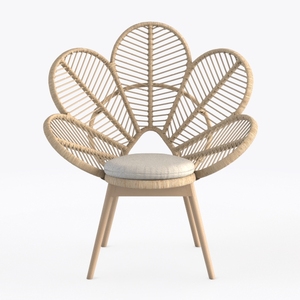
Baxton Studio Garan Modern Bohemian Natural Brown

Casper Sleep Original Foam Hybrid Mattress, Full

Modern Dining Chairs 1PC, Upholstered Kitchen
Homestyler is your go-to online home design platform, perfect for transforming your space effortlessly. With its easy-to-use design tool, stunning 3D renderings, diverse design projects, and helpful video tutorials, you can unleash your creativity and bring your home vision to life!
Design Now for FREE
































