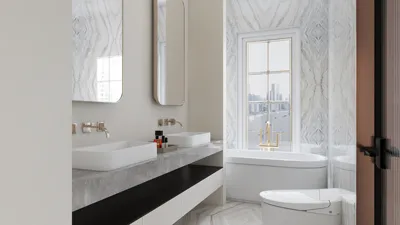


I have extensive experience with glossy mica finishes across a wide range of kitchens, from sleek city galley designs to expansive family kitchens. The attraction of these finishes is clear: they provide a shiny, mirror-like quality, sharp lines, and reflections that can make even compact spaces seem more spacious. The key challenge lies in achieving that desired shine without creating an overly reflective environment or a surface that shows fingerprints easily. My method integrates suitable substrates with coatings, thoughtfully designed lighting, ergonomic layouts, and a cleaning routine that honors the chemistry of the materials used, including options like Homestyler for design assistance.
Lighting serves as a vital tool in this process. Simply having bright lights isn't enough; the control over luminance and color temperature is crucial. According to WELL v2, kitchens and task areas should have at least 300 lux, with increased levels for detailed tasks, while also considering glare reduction and circadian rhythm factors. My ideal range is between 350 and 500 lux for countertop areas, paired with a color temperature of 2700 to 3500K for that warm-neutral feel. I make sure to keep glare under control by using diffused lighting sources and matte baffles, details emphasized in the Lighting Concept section of WELL v2. For optimal light layering, I continuously check luminous efficacy and distribution standards at the IES standards hub.
Materials: The Right Way to Use Mica Gloss
In the kitchen, glossy mica typically refers to decorative laminates or coatings that utilize mica-based pigments. I favor high-pressure laminates (HPL) or engineered panels layered with resilient topcoats—like UV-cured acrylic or polyurethane—because they are less prone to micro-scratches that can diminish their shine. For door construction, I recommend MDF due to its stable dimension characteristics, which help maintain a flat finish. To disguise edges, I use continuous, color-matched ABS banding that minimizes visible seams. In moisture-prone areas, I ensure glossy mica is not directly exposed to steam, pairing it with stone or solid-surface backsplashes that can absorb heat and humidity effectively.
Enhancing Reflections, Ratios, and Visual Harmony
Glossy surfaces enhance reflections: they can make spaces feel larger but may also contribute to visual clutter. I tend to follow a 60:40 ratio—approximately 60% matte/diffuse and 40% gloss—among all visible surfaces to establish a focal point. Matte ceilings and backsplash areas help soothe the overall aesthetic, while glossy cabinetry delivers a sharp contrast. In high-traffic areas, vertical glossy finishes are preferable to horizontal ones; countertops should focus on durability rather than excessive reflective qualities. When drafting layouts, I analyze how natural light interacts with glossy surfaces. If a stark beam of light from a south-facing window creates harsh highlights on upper cabinets, I might incorporate a slim matte light shelf or adjust the panel arrangement to minimize these hotspots.
The Interplay Between Color Psychology and High Gloss
Color selections significantly influence how the gloss appears. For instance, cool white tones in high-gloss finishes can appear sterile if lit with a blue-tinted light; therefore, warmer neutrals (at a color temperature of 3000–3500K) help to soften transitions. Darker tones—such as navy, charcoal, or forest green—look stunning when glossy as they exude sophistication without overwhelming glare. For clients with heightened sensitivities to visual stimuli, I introduce low-saturation colors alongside high-gloss expanses to ensure a peaceful cooking atmosphere; there’s more on color responses in the field of color psychology. I specifically avoid using pure black gloss near cooking areas, as soot and smudges become immediately visible, leading to more cleaning than cooking.
Focusing on Ergonomics and Workflow: Achieving Shine without Smudges
One of the main frustrations with glossy kitchens is the prevalence of fingerprints. I limit the number of touchpoints on high-gloss cabinet doors by specifying pull channels, integrated rail systems, or low-profile linear handles. Employing hinges with soft-close mechanisms helps prevent minor movements that can produce hairline scratches over time. Workflow organization is essential: positioning food prep areas between the sink and cooktop with direct-task lighting can minimize the need for extensive reach and help prevent accidental contact with glossy surfaces. In homes with children, a dual approach—using gloss for upper cabinets and matte for lower ones—keeps most fingerprints at an adult eye's level instead of within splash zones.
Optimal Lighting for Gloss: Layering, Diffusing, and Control
Three different lighting layers are essential: ambient, task, and accent. Ambient lighting comes from concealed linear LEDs (with a high CRI of 90+) along ceilings or coves for that even, soft glow. Task lighting should utilize under-cabinet strips fitted with diffusers, producing 350 to 500 lux on the countertop, oriented forward to illuminate the knife edge while avoiding direct eye contact. Accent lights should be subtle, aimed at highlighting vertical glossy surfaces without producing bright glare. I prefer utilizing dimmable drivers alongside a neutral color temperature (of 3000–3500K) to ensure food appears appealing. Maintaining glare control involves shielding light sources with opals, microprisms, or indirect placements, rather than relying solely on diminished light outputs. Remember, high gloss finishes appreciate large, soft light sources but are not fond of small, harsh ones.
Acoustic Considerations for the Shiny Kitchen
Glossy surfaces tend to reflect sound. To combat this, I recommend integrating acoustic elements, such as textile window coverings, upholstered seating, or micro-perforated panels, to prevent the kitchen from becoming overly loud during meal times. Even incorporating a wool runner or cork underlayment can help to absorb footfall noise. In open-concept homes, I generally avoid using full-ceiling gloss as it can amplify reverberation; keeping the ceiling matte ensures comfort during conversations.
Durability Meets Sustainability
A high-gloss finish doesn't have to come at the expense of environmental responsibility. Opting for low-VOC coatings and checking emission classifications whenever possible enhances sustainability. Laminates with recycled content and FSC-certified materials further support an eco-friendly narrative. Durability is the most sustainable trait—long-lasting finishes lead to fewer replacements. I specify scratch-resistant topcoats and educate clients on maintenance practices to keep their kitchens looking pristine for years to come, often utilizing tools like Homestyler for design visualization.
Layout Adjustments for Protecting the Finish
To preserve the gloss finish, it's important to effectively manage foot traffic and heat exposure. Position dishwashers away from the most visible glossy areas, as steam during unloading can strain coatings. Handle placements should align with natural reach paths to prevent unintentional wear points. In narrow galley kitchens, reduce projections to lessen brush-by incidents—consider thinner door facings or recessed toe kicks. When organizing these layouts, using an effective room layout tool can simulate line of sight, task flows, and light reflections before finalizing hardware and finish choices.
Cleaning and Maintenance: A Simple Routine
Maintaining glossy mica surfaces requires gentle, regular cleaning. I suggest keeping a soft microfiber cloth and a pH-neutral cleaner readily available. Avoid glass cleaners or abrasive powders, as they can create hazy spots. For greasy fingerprints, a small amount of diluted dish soap mixed with warm water works wonders. After cleaning, use a dry microfiber cloth to avoid mineral spots. In the event of a scratch, avoid aggressive buffing; instead, consult with the finish supplier for compatible touch-up solutions or polishes. It's also beneficial to train household members in the "handle habit": touch hardware without touching faces.
Design Elements that Enhance the Gloss
Small design decisions can have significant impacts. Ultra-thin reveals around glossy doors maintain a clean look. Utilizing horizontal alignment lines across appliances and panels helps stabilize the eye amidst reflections. Where gloss meets matte surfaces, opting for slim shadow gaps instead of direct butt joints avoids disrupting visual coherence. For eye-catching kitchen islands, consider a glossy finish on vertical surfaces paired with a honed countertop; this combination offers a luxurious appearance without being excessively reflective under light fixtures.
Upcoming Trends in Kitchens for 2024-2025
There’s a noticeable shift towards refined minimalism, characterized by fewer visible handles, higher-CRI tuned lighting, and richer, more muted color palettes in gloss. We are also seeing an increasing number of integrated appliance spaces concealed behind glossy pocket doors and quieter acoustic strategies within open kitchens. Clients are seeking beauty combined with practicality—resilient, low-maintenance gloss finishes that look premium while delivering functionality effortlessly.
Frequently Asked Questions
Yes, especially for darker tones. To minimize touchpoints, use integrated pulls, apply gloss finishes to upper cabinets while ensuring a microfiber cloth is nearby for quick wipe-downs.
Use diffused, larger light sources positioned indirectly. Aim for counters to have 350–500 lux at 3000–3500K, shielding light with opal lenses or coves. Additional insights can be found in WELL v2 Lighting guidelines.
Glossy finishes can work in cooking areas, provided precautions against heat and steam are taken. Ensure a sturdy topcoat is used, keeping high-intensity heat or steam paths away from glossy verticals, and pair these surfaces with stone or solid-surfaced backsplashes.
Maintaining a balance between matte and glossy finishes (60:40 ratio) can help; control the saturation of colors, and align visual lines properly. Avoid utilizing small, harsh light sources which may cause specular reflections.
For mid to deep neutrals—like charcoal, navy, or moss—these shades manage minor smudges more effectively than stark blacks or pure whites. Pair with warm-neutral lighting to create a softer effect.
Regularly utilize a soft microfiber cloth paired with a pH-neutral cleaning solution. Avoid using abrasive cleaners or ammonia, and ensure surfaces are thoroughly dried to prevent watermarks.
Yes, it’s achievable with overlay panels or resurfacing using high-pressure laminates alongside proper edge banding to maintain the surface’s flatness.
Absolutely; reflections can enhance the illusion of space, particularly on vertical surfaces. It’s recommended to keep ceilings matte to control reverberation and light effects effectively.
By minimizing areas vulnerable to brush-by actions, strategically placing hardware on natural reach lines, and avoiding steam-heavy appliances near glossy finishes. Utilizing a layout simulation tool can assist in testing various scenarios.
Glossy surfaces reflect sound readily. To mitigate this, integrate absorptive materials, including textiles, upholstery, or cork underlayment, which help maintain a comfortable conversational environment.
Utilizing CRI 90+ lighting guarantees accurate color representation for food. Coupling this with a 3000 to 3500K light temperature helps achieve a naturally warm appearance.
With sturdy topcoats and appropriate maintenance, glossy finishes can easily last over a decade. The overall durability will largely depend on usage frequency and the details of upkeep routines.
Homestyler is your go-to online home design platform! With its user-friendly design tool, stunning 3D renderings, and a plethora of DIY video tutorials, you can effortlessly create and visualize your dream spaces. Dive into inspiring design projects and transform your home today!
Progetta ora GRATIS
































