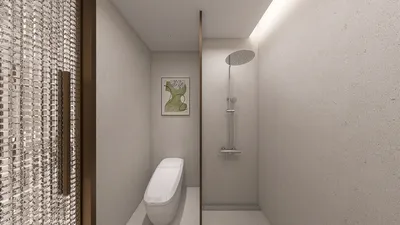


Incorporating emotion into 3D models using Blender is crucial for crafting compelling narratives, improving animation quality, and fostering connections with the audience. This creative journey merges an artistic grasp of human (or creature) emotions with the proficient application of Blender’s tools. Start by examining reference images or videos to understand subtle emotional signals—pay attention to how eyebrows shift, mouth formations, and body stances communicate feelings. Within Blender, shape keys can be utilized to modify facial attributes for various expressions while rigging your models with bones enables a range of dynamic poses. Enhancing emotions through texture painting is also effective, such as applying blush for embarrassment or using shadows to signify sadness. Moreover, the choice of lighting, camera perspectives, and even the overall scene design prove to be essential in amplifying the intended mood. As an interior designer, I've discovered that the spatial context of a model can elevate its emotional resonance: strategically placing your model within a carefully curated environment can enrich storytelling. If you are engaged in room-focused narratives, utilizing sophisticated tools like Homestyler can elevate a static model into an emotionally vibrant centerpiece set against a lively backdrop.
Tips 1:
Blend various emotional signals, including body language, facial expressions, and lighting, to achieve more intricate results. Always look to real-life references or actual objects to steer clear of overemphasized or unrealistic character reactions.
FAQ
Q: How do I create facial expressions in Blender?
A: Shape keys can be employed to sculpt facial features, and animating bone rigs adds dynamism to expressions.
Q: Can lighting influence the emotions expressed in my 3D models?
A: Certainly, dramatic lighting or softer hues can amplify or subtly alter the emotional tone of a scene.
Q: What is the best approach to mastering emotion conveyance in Blender?
A: Engaging with reference materials and practicing with Blender’s sculpting and animation features will significantly enhance emotional authenticity.
Q: Do realistic textures play a role in expressing emotion?
A: Yes, realistic textures—such as tears, blush, or sweat—can provide depth and authenticity to emotional displays.
Q: Is the environment significant for emotional storytelling in 3D?
A: Definitely. The environment can either reinforce or contrast the emotions depicted, bolstering the narrative and its context.
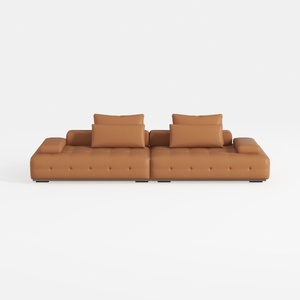

Modern Tufted Leather Oversized Sectional Sofa 3D Model

Minimalist Solid Wood Round Coffee Table 3D Model

Minimalist Solid Wood Round Stool Set 3D Model
Transform your home with Homestyler! This user-friendly online design platform features an amazing design tool, stunning 3D renderings, a plethora of design projects, and helpful video tutorials. Whether you're a novice or a pro, Homestyler makes creating your dream space effortless and fun!
Concevez maintenant gratuitement
































