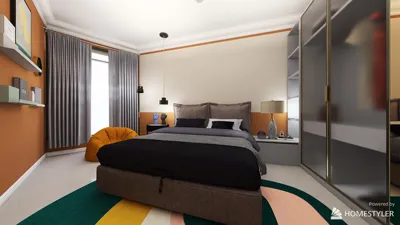


I once transformed a guest room into a dark grey space due to a client’s desire for a more intimate atmosphere. However, we quickly realized the room's small window made the room feel too dark. This experience taught me the importance of balancing darker colors with light and reflection. Sketching the layout beforehand can end up saving valuable time and effort on repainting. If you're considering using dark grey paint, visualizing your design before purchasing paint is a crucial step.
1. Utilize dark grey as a soothing haven — but plan your lighting appropriately
Dark grey walls can create an inviting and sophisticated ambiance. I have successfully used this color in bedrooms where my clients desired a cozy, hotel-like feel. The advantages are clear: dark tones add depth and drama, providing a neutral backdrop that pairs beautifully with brass, leather, and warm wood elements. However, the challenge lies in lighting — incorporating multiple light sources (ambient, task, accent) ensures the room feels vibrant rather than flat.
save pin
2. Add contrast with crisp trim and ceilings
One technique I swear by involves painting the trims or ceiling in a bright white or soft off-white to contrast the dark walls. This approach creates a cleaner aesthetic than an all-grey space and visually lifts the ceiling. Although it may require an extra coat of paint and careful taping, the result is a polished room that photographs exceptionally well.
save pin
3. Elevate a focal wall with texture
On a budget, it’s possible to achieve a designer look by applying dark grey to a single accent wall while layering textures. Consider fluted panels, wallpapers with a subtle sheen, or even plaster. I once employed a textured paint technique that was more cost-effective than wood cladding yet delivered the same luxurious feel. If you're planning a kitchen, utilizing tools like Homestyler can assist in visualizing various kitchen layouts to identify the most favorable location for your accent wall.
save pin
4. Pair dark grey with reflective materials and mirrors
Dark walls pair wonderfully with mirrors, glossy tiles, and metallics as they help reflect available light. In a recent small hallway project, adding a slim mirror alongside a brass sconce next to the dark grey made the area feel almost double its size. However, keep in mind that glossy surfaces and mirrors may require diligent maintenance to prevent fingerprints, so choose finishes that you're comfortable maintaining.
save pin
5. Use tonal variations in textiles and furniture
Rather than resisting the dark tone, I often extend the palette into furniture and textiles using shades of grey, muted blues, and warm neutrals. This approach creates a cohesive, spa-like aesthetic that can easily be refreshed with new cushions or artwork. If you seek further design recommendations, exploring AI-driven suggestions through platforms like Homestyler can expedite your concept selection, allowing for personalized adjustments based on your lighting and layout.
save pin
FAQ
Q1: Is dark grey paint suitable for smaller rooms?
A1: Absolutely! Dark grey can create a snug and stylish feel in a smaller space. Just remember to incorporate layered lighting and reflective elements to avoid a cramped atmosphere.
Q2: How do I choose the right undertone of grey?
A2: Your choice should depend on the room’s natural light; warmer undertones (like a hint of brown or taupe) are ideal for north-facing rooms, while cooler undertones (such as blue or charcoal) work best in bright south-facing spaces.
Q3: Will dark grey make my ceiling appear lower?
A3: It can have that effect; to counteract this, keep the ceiling and trim lighter than the walls or opt for a satin finish on the ceiling to enhance light reflection.
Q4: What finishes complement dark grey walls?
A4: Use matte or eggshell finishes for walls to disguise imperfections and satin or semi-gloss for trims and furniture to create subtle contrast and reflect light where needed.
Q5: How much paint do I need for a dark grey accent wall?
A5: Typically, one to two 1-gallon cans will suffice for a single accent wall, depending on coverage and whether a primer is necessary. Dark greys often benefit from a tinted primer for an even finish.
Q6: Any budget-friendly tips for using dark grey paint?
A6: Start with a sample pot and paint a sizable swatch on the wall; test it in various lighting conditions. Consider using peel-and-stick textured panels or secondhand furniture painted in similar shades to achieve a stylish look without overspending.
Q7: Are dark greys favorable for resale?
A7: When used as an accent and balanced with lighter elements, dark grey is generally viewed as modern and appealing. Completely dark rooms can be contentious, so it's wise to neutralize key living areas before selling.
Q8: Where can I find expert advice on color choices?
A8: For technical insights regarding paint performance and light reflection, consult paint manufacturers like Sherwin-Williams, which offer comprehensive color charts and light reflectance values to help you choose the perfect shade of grey.
save pin
Originally incubated at Autodesk, Homestyler has grown into one of the most widely adopted home design platforms in the world, now trusted by over 18 million users. Whether you're a homeowner exploring ideas or a professional designer delivering client-ready renders, Homestyler brings industry-leading 3D technology to your fingertips — no experience required.
Looking to transform your space? Homestyler is your go-to online design platform! With an easy-to-use design tool, stunning 3D renderings, and a wealth of DIY video tutorials, you can effortlessly create your dream home. Start designing today and unleash your creativity!
Zaprojektuj teraz za darmo
































