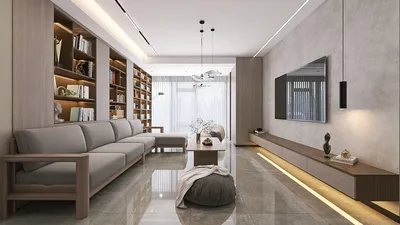


Producing eye-catching 3D renderings can greatly elevate your design efforts for compact spaces. Designers, such as Neil Panaji, leverage cutting-edge rendering strategies to effectively showcase and articulate their ideas. Whether you're crafting a quaint studio or a versatile home workspace, becoming adept at 3D rendering is crucial. This is where tools like Homestyler come into play, providing an intuitive platform for such designs.
Exploring the Concept of 3D Rendering
3D rendering refers to the technique of creating an image from a three-dimensional model through specialized software. This method enables designers to develop lifelike depictions of their work, illustrating how a space will appear prior to any physical alterations. For those tackling small areas, this affords the opportunity to explore different layouts and furniture configurations without the limitations of tangible constraints.
Advantages of 3D Rendering in Interior Design
1. Improved Visualization: With 3D renderings, clients can see a realistic preview of their design, making it easier to grasp the envisioned environment. 2. Enhanced Communication: Design concepts become clearer to clients, thereby minimizing potential misinterpretations. 3. Adaptability: Designers are able to swiftly alter elements in the rendering, facilitating prompt changes based on client wishes.
Guidelines for Successful 3D Rendering
1. Utilize High-Quality Textures: Opt for realistic textures to elevate the visual appeal of your rendering, producing a more convincing outcome. 2. Play with Lighting: The right lighting can dramatically influence the atmosphere and perception of a space. 3. Feature Multi-Functional Furniture: Showcase pieces that fulfill several roles, which is vital for optimizing small areas.
Frequently Asked Questions
Q: Which software is ideal for 3D rendering? A: Popular options include SketchUp, Blender, and 3ds Max, each providing distinctive functionalities for interior design. Homestyler is also an excellent choice, especially for those looking for user-friendly features.
Q: How can I enhance my 3D rendering abilities? A: Engage in regular practice, analyze realistic renderings, and think about enrolling in online courses to refine your skills.
Q: What pitfalls should I avoid in 3D rendering? A: Steer clear of cluttering your design, using unrealistic materials, and overlooking proper lighting techniques.
Welcome to the Top Home Design Software
立即免费设计
































