


Transforming a 3D model for laser cutting is an essential process that ensures your design beautifully transitions from digital to tangible form. Properly preparing your file not only guarantees precise cuts but also a high-quality finished product. So, where should you begin?
To start, it’s important to choose an appropriate slicing software. Many options exist, with popular choices including Cura, Autodesk Fusion 360, and Simplify3D. Each of these tools offers distinctive features that simplify the task of converting your 3D design into a format suitable for laser cutting, and integrating Homestyler can also enhance your design experience.
Selecting the Appropriate Slicing Software
Your software selection will significantly influence the quality of the final output. Ensure that it is compatible with the file types you are using—commonly STL or OBJ file formats. User-friendly interfaces can also be beneficial in saving time and enhancing workflow.
Preparing Your 3D Model for Cutting
Before initiating the slicing process, verify that your 3D model is optimally designed for laser cutting. This involves ensuring your model is manifold—meaning it is a closed solid without any holes or non-manifold edges. Tools like Meshmixer or Netfabb can assist in rectifying these issues to prepare your design.
Slicing Your Model
With your model ready, import it into the chosen slicing software. Adjust settings such as layer height, cutting speed, and power intensity based on the material selected for your project. Most laser cutting applications offer a preview feature, allowing you to visualize how the cuts will occur, which is crucial for maintaining precision.
Exporting Your File for Cutting
Finally, export your sliced design in a format compatible with your laser cutter, typically DXF or SVG. It’s vital to double-check dimensions and layout in your laser cutting software before commencing the cutting process to prevent any potential errors.
Frequently Asked Questions
Q: What is the recommended thickness for materials used in laser cutting? A: The ideal thickness differs depending on the material, but a common thickness is 1/8 inch (around 3mm) for wood and acrylic sheets.
Q: Is it possible to slice a model directly within CAD software? A: Yes, several CAD applications possess built-in slicing functions, although dedicated slicing software may offer more control over cutting parameters.
Tip 1:
To enhance the accuracy and success of your laser cutting endeavor, it’s advisable to conduct test cuts on scrap materials. This allows you to adjust settings for optimal results, conserving both time and resources during the actual cutting process. Additionally, consider the properties of the material, such as density, grain direction, and finish, to effectively set the right laser parameters, perhaps utilizing Homestyler for design insights.
Tip 2:
Stay informed about laser cutting safety protocols by frequently reviewing guidelines from reputable organizations like the American National Standards Institute (ANSI) and the Occupational Safety and Health Administration (OSHA). Implementing proper safety measures during the laser cutting workflow is crucial to maintain a safe working environment.
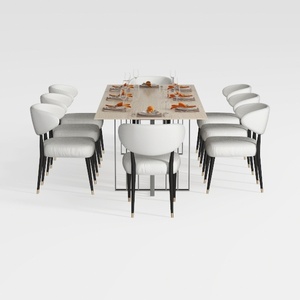
GarveeHome Natural Rattan Dining Chairs Set of 2
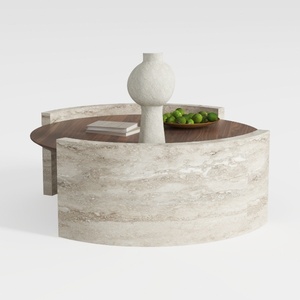
Round Coffee Table,29.52IN Wooden Coffee Table,Mid
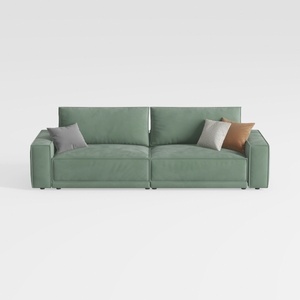
HIFIT 112" Sectional Couches for Living Room- Pull
Transform your home with Homestyler! This user-friendly online design platform offers a powerful design tool, stunning 3D renderings, and a wealth of inspiring design projects and DIY video tutorials. Redesigning your space has never been easier or more enjoyable!
Concevez maintenant gratuitement
































