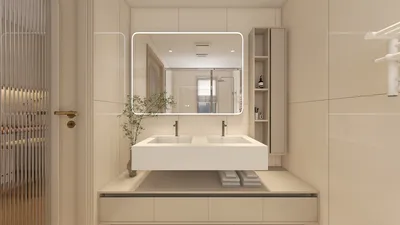


In the realm of interior design, particularly when addressing the challenges of compact areas, 3D lighting and rendering hold paramount importance. Skillfully adjusting light can significantly enhance spatial perception and foster a more inviting ambiance. By learning these techniques, you can effectively highlight your design visions and maximize every square foot at your disposal with tools like Homestyler.
Grasping the Fundamentals of 3D Lighting
The first step towards mastering 3D lighting involves familiarizing yourself with various types of illumination. Key light, fill light, and backlight constitute the triad of primary lighting sources, each complementing the other to create a well-lit scene. Understanding their individual roles is essential for adding depth and dimensionality.
This is the primary light source that provides the bulk of illumination. Positioning the key light adequately is crucial to accentuating focal points in your design.
The fill light works to soften the shadows cast by the key light, offering a more harmonious appearance. It should be less powerful than the key light to maintain balance.
Incorporating backlighting can create depth by illuminating the backdrop, which is particularly effective for establishing silhouette effects.
Rendering Strategies for Compact Spaces
When rendering, the aim is to generate lifelike images that faithfully depict your design. In smaller areas, it’s crucial to contemplate how lighting interacts with various design elements.
Global illumination is a technique that mimics how light reflects off surfaces, producing a more authentic appearance. This method can enhance the sense of spaciousness in small rooms, making them feel larger and more welcoming.
The selection of materials and textures plays a vital role in how light interacts with surfaces. Opting for materials that reflect light effectively can significantly improve the feeling of space.
Optimal Methods for 3D Lighting and Rendering
To maximize the effectiveness of your 3D lighting and rendering, keep these best practices in mind:
FAQ
Q: What is the most effective way to illuminate a small room in 3D renderings? A: The ideal strategy involves utilizing a mix of key, fill, and backlight to create depth and visual balance. Incorporating natural light can further enhance the space.
Q: How can I make a compact area seem larger in 3D renderings? A: Employing light hues, reflective materials, and global illumination techniques can help create the illusion of expansive space.
Explore the leading Home Design Software available now!
Zaprojektuj teraz za darmo
































