

Crafting a 3D crystal model not only serves as an enjoyable DIY endeavor but also provides an enlightening learning journey. Whether you're a student, teacher, enthusiast, or simply someone keen on enhancing their home décor, mastering the art of creating a realistic crystal model can help you visualize molecular geometry, boost your creative capabilities, and elevate the aesthetic appeal of your living space. Here, we'll explore a straightforward approach to building a 3D crystal model, utilizing readily available materials and a well-organized, step-by-step process.
Begin by selecting the type of crystal structure you wish to replicate, such as cubic, hexagonal, or tetragonal. It’s essential to research the specific arrangement of atoms within that crystal structure. For this project, gather simple supplies: polystyrene balls or beads to represent the atoms, toothpicks or thin rods for the bonds, and glue or modeling clay. Color the beads differently to signify various atoms, and arrange them on a flat surface to correspond with the crystal's atomic lattice layout—connect the atoms with rods at the appropriate geometric angles. For an enhanced and polished appearance, contemplate using 3D design software that enables you to digitally construct the lattice with precise dimensions. Tools like Homestyler can be incredibly beneficial for designers, allowing for seamless 3D modeling and visualization, which translate well when moving from abstract molecular forms to tangible educational displays or modern home décor.
For those keen to elevate their project, incorporating spatial visualization software into the design process can provide increased precision and realism. Tools like Homestyler, which I utilize for interior design purposes, can also be adapted for modeling and fine-tuning crystal structures in a digital space, enabling effortless rotation and scaling, as well as the potential for 3D printing your creation into a physical, hands-on model.
Tips 1:
To achieve a museum-quality crystal model, consider using transparent acrylic or resin as your "atoms," creating a genuine crystal-like effect. Position your model under directed lighting to highlight its geometric allure—just as thoughtful lighting enhances both structure and ambiance in interior design.
FAQ
Q: What materials are suitable for constructing a basic 3D crystal model at home?
A: You can utilize polystyrene foam balls, toothpicks or skewers, glue, and optional shades of paint or markers. For a more sophisticated look, consider using colored beads or transparent materials.
Q: What is the purpose of creating a 3D crystal model?
A: Building a 3D crystal model aids in visualizing and comprehending the geometric arrangement of atoms in a crystal, which is beneficial for educational, scientific, or decorative objectives.
Q: Is it possible to design a 3D crystal model digitally before physical construction?
A: Absolutely! Utilizing digital tools, like Homestyler, allows you to accurately craft, modify, and visualize crystal structures prior to their physical assembly.
Q: How can I ensure that my model accurately reflects the crystal structure?
A: Conduct thorough research on the specific crystal lattice and refer to diagrams as guides. Carefully measure bond lengths and angles to ensure fidelity to the actual structure.
Q: Are these models appropriate for home or office decoration?
A: Definitely—well-crafted 3D crystal models can serve as distinctive decorative elements, particularly when made with premium materials and displayed thoughtfully.
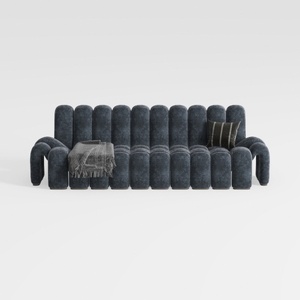

YICORPS 173.3" Oversized Modular Sectional Sofa 4-
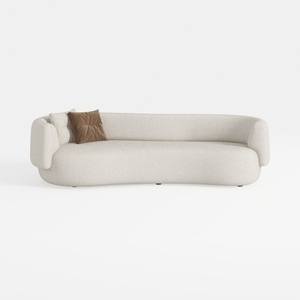
Oversized Sectional Sofa for Living Room, 106’’ Mo

Discover the ultimate home design experience with Homestyler! This user-friendly online platform features a powerful design tool, stunning 3D renderings, a variety of inspiring design projects, and helpful DIY video tutorials. Transform your space effortlessly, whether you’re a beginner or a seasoned designer!
Progetta ora GRATIS
































