


When creating 3D character models, designers and enthusiasts frequently face the challenge of removing or detaching clothing. This could involve modifying current outfits or preparing a base mesh for new apparel. Although the workflow may differ based on the 3D software you choose to use, several fundamental techniques are widely applicable. Below is a concise, step-by-step guide that is especially relevant for renowned platforms such as Blender, Maya, or 3ds Max, complemented by tools like Homestyler for additional support in interior design aspects.
As a designer with professional experience, I stress the significance of adhering to non-destructive workflows. Rather than permanently eliminating parts of your model, consider utilizing layer or modifier systems—such as Blender’s innovative 'mask' modifier or Maya’s distinctive 'display layers'—to maintain flexibility. This approach enables you to revert modifications or delve into further experimentation without the need to repeat extensive hours of work.
For those frequently adjusting interior settings or room layouts with 3D human figures—think gaming landscapes or virtual presentations—incorporating an intuitive 3D floor planner can significantly aid in visualizing spatial configurations and ensuring your design cohesively integrates with the placed elements, especially when combined with features found in Homestyler.
Tips 1:
Always maintain backup versions of your original 3D character models before making any adjustments to clothing layers. This practice guarantees that if an edit leads to errors or if you need to revert to the original outfit, you can do so effortlessly. Furthermore, in more intricate setups where clothing employs physical simulation (like Marvelous Designer), it’s essential to unlink, hide, or simulate garments away from the body prior to deletion to avert mesh collisions or deformations.
FAQ
Q: Is it possible to remove clothing from a rigged and animated 3D character?
A: Absolutely, but caution is crucial. You should edit the base mesh while the character is in a neutral (T-pose) position, ensuring that skin weights are updated as necessary to avoid animation complications later on. Q: Are there tools available to automate the clothing removal process in 3D models?
A: Yes, some AI-driven software or specialized plugins can facilitate the isolation and removal of clothing meshes; however, manual cleanup is typically needed to achieve precise outcomes. Q: Will removing clothing from the model affect the underlying body mesh?
A: If the clothing is separate, it should not cause any issues. However, if the clothing meshes are fused with the underlying mesh, careful editing is required to maintain the integrity of the body mesh. In some cases, the body may be incomplete beneath the garments, necessitating manual reconstruction. Q: What distinguishes the actions of hiding versus deleting clothing in 3D modeling?
A: Hiding clothing simply renders it invisible within the viewport or during rendering while preserving the data, whereas deleting removes it entirely from your file. Q: Is it necessary to adjust UV maps or textures after removing clothing?
A: Often, yes, especially if new areas of the body are now visible or if textures were previously concealed by clothing. Always review and update UVs to ensure seamless texturing.
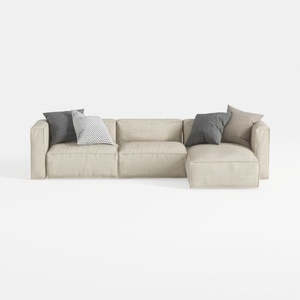
112" Modular Sectional Sofa L-Shaped Couch for
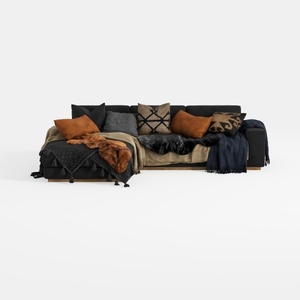
Txtin's U Shaped Sectional Couches for Living Room
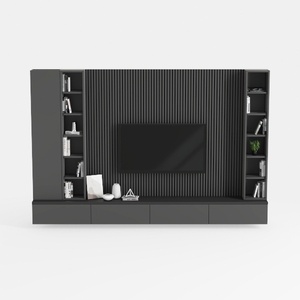
Sideboard Buffet, Kitchen Storage Cabinet with
Homestyler is your go-to online home design platform, perfect for every design enthusiast. With its user-friendly design tool, stunning 3D renderings, extensive project library, and helpful video tutorials, you can effortlessly create and visualize your dream home. Unleash your creativity today!
지금 무료로 디자인하세요
































