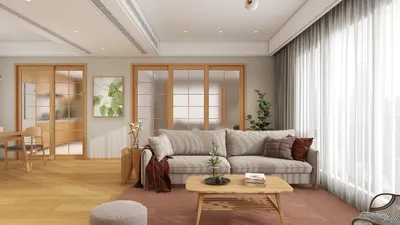


I once worked with a client who believed that cream could conceal all coffee stains—however, it turned out that it masked very little of a child's playful mess. Nevertheless, cream can impart a serene and sophisticated ambiance in smaller spaces. From this experience, I learned to find a harmonious balance between warmth and contrast, leading me to embrace cream as a key ally in my design repertoire rather than merely a neutral fallback. For instance, I successfully opened up a galley kitchen with this color—check out the kitchen makeover case study for the incredible transformation that ultimately won my client's approval.
1. Mix neutrals for added dimension
I enjoy beginning with a cream base and layering it with various neutral shades—such as taupe, soft gray, and warm white. This technique ensures the space looks purposeful rather than flat. The benefit is clear: cream not only reflects light but also imbues a timeless quality; the challenge lies in preventing a washed-out effect, which I tackle by incorporating textured fabrics and wooden elements.
save pin
2. Use cream as a canvas for vibrant accents
Cream is quite forgiving, allowing the addition of rich colors—like deep green, navy, or terracotta—in furniture or art pieces without overpowering the overall room. This approach provides flexibility throughout the seasons; however, you'll need to refresh those accents occasionally to maintain a lively atmosphere, which can be achieved affordably by simply changing pillows or lamps.
save pin
3. Select the right finish: matte, eggshell, or satin
For living spaces, I typically suggest an eggshell finish (it conceals minor imperfections effectively) and recommend satin for high-traffic areas such as kitchens and bathrooms, as it’s easier to clean. The trade-off here is that while high-gloss finishes are tough and durable, they highlight imperfections—so choose your finish based on the condition of your walls and your maintenance preferences.
save pin
4. Consider your ceiling and trim colors carefully
Opting for a soft cream ceiling instead of stark white can create a cozier feel in a large, open room, while matching trim in a slightly lighter cream provides a refined appearance without jarring contrast. A minor challenge is that you should test paint samples under both natural and artificial light to accurately gauge the warmth of the cream tones used.
save pin
5. Strategically use cream in kitchens and bathrooms
Cream can add warmth to tiles and cabinetry, transforming a small kitchen or bathroom from sterile to inviting. For compact spaces, I often pair cream walls with a darker countertop or a patterned backsplash to establish a more grounded look. If you're seeking spatial inspiration, the powerful 3D floor planner from Homestyler can help clients visualize layout choices quickly. A final recommendation: in a tiny bathroom, using cream alongside a large mirror creates a sense of depth—this is one of my favorite cost-effective techniques that often sways clients, as illustrated in this room redesign example.
save pin
FAQ
Q1: Is cream paint a wise choice for small rooms?
Absolutely—cream enhances light reflection compared to darker shades, making small rooms feel larger and cozier. Pair it with contrasting textures and trim for added depth.
Q2: Which finish is optimal for cream walls?
Eggshell offers versatility in living spaces; satin finishes work best in kitchens and bathrooms due to easy clean-up. Matte finishes can appear elegant but show marks more readily.
Q3: Will cream paint discolor as time passes?
Certain warmer creams may shift slightly over time with exposure to light or compounds like nicotine. Opt for high-quality paints with excellent light-resistance to minimize color fading.
Q4: How do I select colors that go well with cream walls?
Begin with testing warm and cool undertones—compare cream samples against your furniture and flooring under different lighting conditions. Accentuate the look with richer tones like navy, forest green, or terracotta for a balanced palette.
Q5: Is cream paint appropriate for both modern and traditional styles?
Definitely—cream’s versatility is unmatched. It lends a crisp, contemporary feel to modern designs while adding warmth in traditional settings through its pairing with wood and textured fabrics.
Q6: What’s the most effective way to test cream paint at home?
Apply large swatches on multiple walls and evaluate them under different lighting conditions—morning, afternoon, and evening light—to ensure the chosen color meets your expectations. Testing actual wall sections reveals undertones that small samples might not convey accurately.
Q7: Do low-VOC cream paints contribute positively to indoor air quality?
Indeed, low-VOC and zero-VOC paints minimize indoor emissions and are advisable for inhabited areas. For further info on maintaining a healthy indoor environment, refer to guidance from the U.S. Environmental Protection Agency: https://www.epa.gov/indoor-air-quality-iaq.
Q8: How can I rejuvenate cream walls without repainting?
Refresh the character of your rooms by changing trim colors, swapping out textiles, or showcasing new artwork without the need for a full repaint. Strategic changes in lighting can also dramatically transform cream's appearance within your space.
save pin
Discover the magic of home design with Homestyler! This user-friendly platform offers an intuitive online design tool, stunning 3D renderings, and a wealth of inspiring design projects. Plus, dive into DIY tutorials to elevate your creativity. Transform your space effortlessly today!
지금 무료로 디자인하세요
































