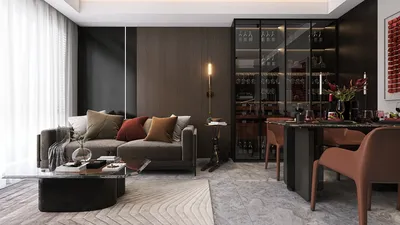


In the realm of modern Minecraft constructions, refined aesthetics can be achieved without requiring large spaces. I treat compact builds akin to micro-architecture by utilizing clear geometric shapes, selecting materials judiciously, and optimizing functional zoning. Real-world examples illustrate that thoughtfully designed layouts can elevate the perceived spaciousness in small homes by up to 30%, achieved through intelligent sightline management and multifunctional elements. This principle also resonates within workplace studies from Steelcase, which find a direct correlation between spatial clarity and user comfort and productivity. Additionally, the quality of lighting is essential; the Illuminating Engineering Society suggests maintaining task lighting levels between 300–500 lux for effective reading and detailed work. In Minecraft, I emulate this requirement by employing layered lighting and controlling contrast, making smaller spaces feel illuminated, serene, and organized. Moreover, when choosing colors for these builds, it’s crucial to consider behavioral influences. According to Verywell Mind, cooler color palettes enhance concentration while warm accents foster a welcoming atmosphere.
The wellbeing strategies outlined in the WELL Building Standard (WELL v2) translate remarkably well into designing compact Minecraft homes. My focus is on maximizing natural views, controlling glare, zoning for acoustics, and ensuring ergonomic circulation. Even without quantifying 'lux' in the game, I strive for a balanced luminance level and minimize single-source glare effects. I draw from the WELL v2 principles for light layering and circadian rhythm support, along with insights from Steelcase studies for spatial clarity and micro-zones designed to lessen cognitive overload. These considerations contribute to making small spaces both efficient and visually peaceful.
My design process commences with establishing a logical layout: identify essential spaces—that is, entry, preparation/cooking, working/sitting, sleeping, and storage—and optimize their proximities. In-game, I sketch the basic footprint first, then experiment with proportions (like 2:3 or 3:5 room ratios) while ensuring openings are aligned to create extended sightlines. If rapid iterations are needed, employing tools like Homestyler for room layouts allows for prototyping circulation paths and furniture arrangements before laying down blocks.
Define An Efficient Footprint
For clarity in modern home designs, I favor rectangular or L-shaped structures. It's beneficial to maintain a neat primary axis, aligning doors and windows along a consistent datum to enhance the perceived scale. A shell of dimensions 7×9 or 9×11 blocks works beautifully for single-story designs, while implementing a split-level approach provides vertical interest without enlarging the footprint. Placing compact service functions—like storage or kitchen areas—along one side opens up the remaining space for living.
Design for Clear Circulation
In small abodes, circulation should occupy no more than 15–20% of the total area. I prefer running a main pathway along the outer edges instead of slicing through the center. This preserves contiguous living areas and enhances furniture arrangement flexibility. Test turning radii around corners and staircases, keeping thresholds aligned; a 2-block-wide corridor ensures easy movement and avoids a cramped feeling.
Architectural Rhythm and Facade Design
Contemporary homes are perceived as a series of deliberate planes. I layer horizontal slabs made from concrete or quartz, offsetting them by 1–2 blocks, while incorporating negative spaces created by inset glazing. Adhering to a uniform grid—such as 3-block modules—for windows and screens establishes a consistent visual flow. A monochromatic exterior accented with a singular highlight (like dark spruce or blackstone) establishes a hierarchy that remains visually appealing.
Material Selection: Cohesive and Soothing
Limit your material choices to 3–4 base options. My preferred selections consist of white concrete forming the primary structure, gray concrete for secondary elements, smooth quartz for transitions, and dark wood as a warm base. A limited color palette contributes to visual harmony and mitigates the cluttering effect of pixels. Inside, combine light-colored floors with mid-tone walls to retain brightness without losing definition.
Layered Lighting for a Realistic Feel
Incorporate ambient (like ceiling lanterns or sea lanterns), task (under-cabinet rods or glow lichen near workspaces), and accent lighting (hidden lights behind staircases). Avoid relying on single intense lighting sources which create harsh contrasts. I aim for fixtures spaced evenly every 3–4 blocks, supplementing with dimmer accent lights near seating areas. It’s beneficial to refer to IES standards for task illuminance as a guideline for ensuring evenness and reducing glare.
Functional Sub-Zoning in Tiny Spaces
Create micro-zones using textures and partial-height elements, such as low partitions, plant screens, or half-slab bases. A compact kitchen wall, a 2-block desk area, and a tucked-away bed setup can coexist effectively within 40–60 blocks of livable space, provided the arrangements are closely knit. Sightlines shouldn't be neglected; keep tall storage solutions away from central areas to maintain an open feel in the living space.
Furniture Dimensions and Ergonomics
Optimize for smaller scales. Sofas measuring 2–3 blocks alongside slab seating achieve proportional aesthetics. Limit desk depth to 2 blocks to prevent overwhelming the space. Ensure pathways are a minimum of 2 blocks wide. Refrain from placing tall, bulky pieces in primary sightlines; relocate vertical storage options to edges and corners instead.
Understanding Color Psychology for Compact Homes
Utilize cool neutrals like white and light gray to create an illusion of greater volume. Introduce saturated colors in moderation—through cushions, art tiles, or a singular accent wall. Insights from color psychology by Verywell Mind suggest that blue and green shades promote concentration and tranquility, while warm tones, such as yellow or terracotta, add an inviting quality. I advise capping accent surfaces at 20–25% of visible interiors.
Creating Acoustic and Visual Calm
While Minecraft’s sound design may be abstract, I incorporate acoustic logic: utilize soft materials and varied surfaces to reduce echo. Elements such as rugs, bookshelves, and plant arrangements provide diffusion and warmth to visuals. Conceal mechanical aspects; employing trapdoors and stairs can create small baffles and add textured wall interest.
Maximizing Natural Light through Window Design
Utilizing corner glazing effectively captures daylight. I ensure the tops of windows are set at a consistent height and align sills for visual cohesion. Consider clerestory windows placed above eye level to maintain privacy while allowing light in; pair these with overhangs to mitigate glare. Adding plants near windows can soften contrasts.
Outdoor Micro Terraces
A 3×5 block terrace extends living space and enhances indoor vistas. Implement minimal railings, planters, and a bench for a modern look. Where space permits, consider including a slatted pergola to cast dynamic shadows and animate the façade.
Vertical Design: Split Levels and Mezzanines
In extremely limited footprints, introducing a half-level change can provide visual excitement. To maintain a flow of light, utilize open riser stairs made from stairs and trapdoors. Place sleeping quarters on a mezzanine while designating the ground floor for living spaces.
Smart Storage Solutions: Integrated and Concealed
Maximize vertical space and conceal storage—incorporate barrel arrays behind walls, trapdoor fronts, or under-stair compartments. Maintain minimal visible hardware to achieve a clean, modern aesthetic.
Detailing with a Sustainable Edge
Emphasize sustainable design choices: install wood screens, green roofs utilizing grass blocks, and rain gardens. Champion daylight-first strategies so that artificial lighting serves merely as a supplement. The principles of WELL v2 emphasize glare management, access to nature, and balanced illumination, which I integrate into my designs within Minecraft.
Sample Layout: 9×11 Single Level
- Entry and storage arranged along the shorter side (2-block depth)
- Living area and desk cluster positioned centrally (5×6 blocks)
- Kitchen area against the longer back wall with a 1-block work line
- Bed placed in a niche behind a half-height barrier
- Corner glazing to allow daylight in; terrace extending from the living area
Process Checklist
- Establish a straightforward massing: 1–2 volumes along with 1 accent plane
- Create a 3-block grid for placements of doors and furnishings
- Use peripheral circulation strategies
- Limit finishes to 3–4 materials
- Layer lighting while concealing fixtures where feasible
- Utilize cool base colors with restricted warm accents
- Embed storage solutions within walls and under stairways
- Test visual flows prior to adding final details
Advanced Techniques
- Floating slab roofs featuring 1-block negative joints
- Craft shadow niches using stairs and trapdoors
- Employ louvered screens to maintain privacy without heaviness
- Position clerestories above built-ins for enhanced light flow
- Design double-height corners with mezzanines to expand spatial volume
Frequently Asked Questions
I typically begin with dimensions of 7×9 or 9×11 blocks. Keeping circulation peripheral, maintaining long sightlines, and limiting tall storage near the center will enhance room openness.
Combine ambient, task, and accent lighting layers; uniformly space them every 3–4 blocks to avoid harsh contrasts. IES standards recommend approximately 300–500 lux for work areas, a benchmark I use to promote balanced, glare-free illumination in-game.
I prefer combinations of white or gray concrete, smooth quartz, and a dark wood accent. Maintaining a 3–4 material palette alongside consistent textures contributes to a unified design.
Create separation using half-height barriers or louvered panels. Position desks near windows for optimal natural light, and tuck beds behind storage units to enhance visual tranquility.
Use cool neutrals as the primary colors for surfaces, and apply warm accents sparingly (intended to cover 20–25% of the visible area). Blues and greens, as illustrated in color psychology studies, are known to enhance focus and promote calm.
Incorporate corner windows and clerestories to maximize light while ensuring privacy. Align heads and sills for consistency, and implement overhangs to manage glare.
Design a 3×5 block terrace with minimal railings, integrated planters, and seating. Connect it directly to the living area to create a seamless visual extension of the interior.
Conceal storage within walls and beneath stairs, minimize visible hardware, and position taller furniture along the perimeter. This arrangement maintains an unobstructed central area, fostering flexibility and openness.
Absolutely—prioritize natural lighting, implement green roofs, and utilize plant walls while aiming for visual comfort. Concealed lighting sources create a feeling that artificial illumination is only supplementary.
I recommend trying 2:3 or 3:5 proportions for rooms and openings. A consistent grid (such as 3-block modules) introduces rhythm and simplifies the alignment of furniture.


Alastore 45 in. Round White Glass Dining Table

TAPIVA Desk Computer Desks Office Desk Marble Tabl

Benjara BM313407 63 in. Kyni Home Office Desk Mode
Homestyler is your go-to online platform for transforming home design ideas into reality. With its user-friendly design tool, stunning 3D renderings, diverse design projects, and informative video tutorials, you can easily create and visualize your dream space—no experience needed!
Design jetzt kostenlos
































